 Britannia Auctions
Collective auctions and single item consignments in Wolverhampton
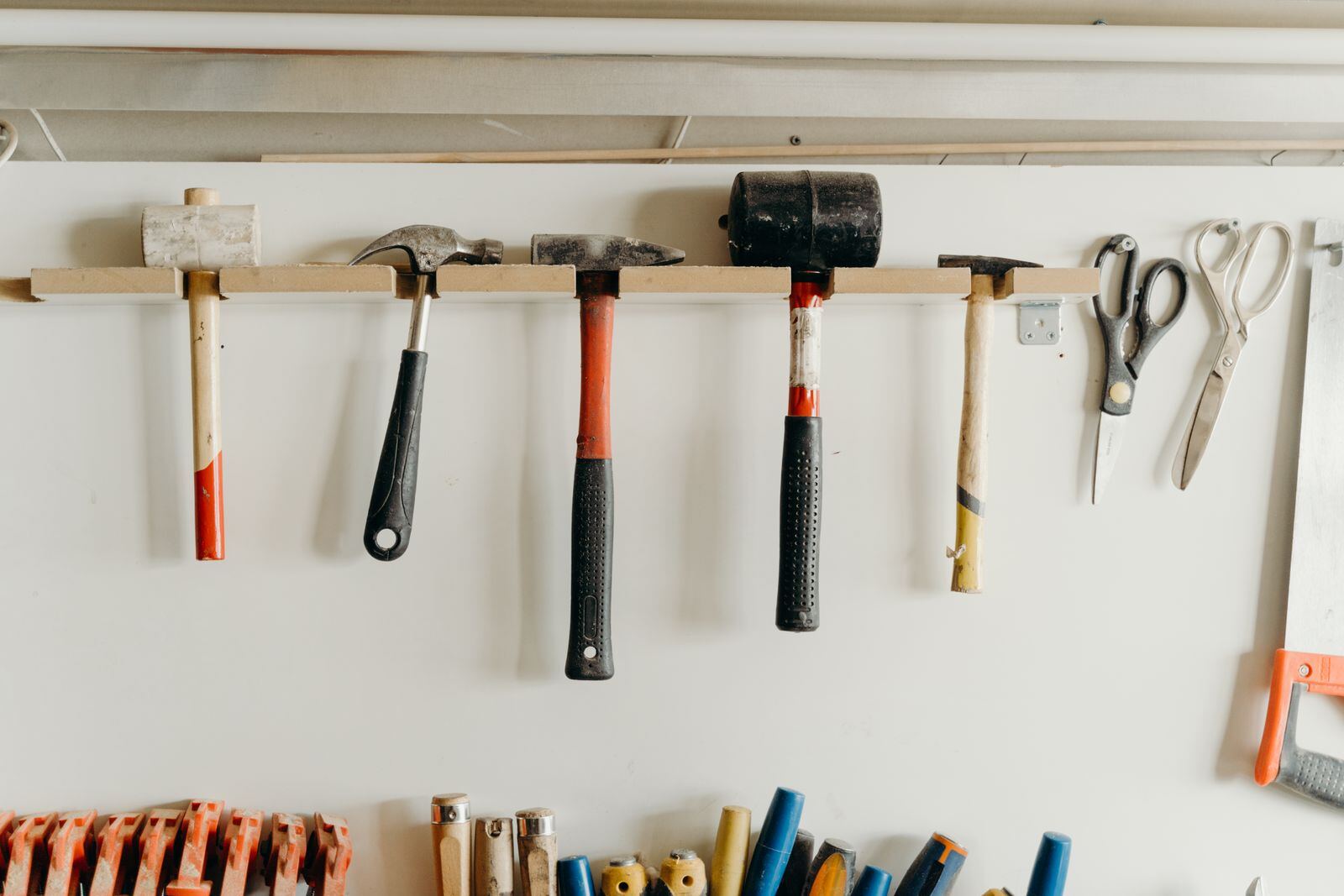
Black Country fabrication shops do not throw things away. A guillotine that was replaced ten years ago is still in the corner. There is a second welding set nobody has used since the last big job, and a fly press under a tarpaulin behind the racking. That is the kind of surplus that comes out of the estates at Willenhall and Wednesfield, and it is worth cataloguing.
We sell it in collective auctions, which put small lots from many vendors into one online sale. Your guillotine appears by lot number next to a compressor from Bilston, a van from Fordhouses, tooling from a shop near the i54 and a pallet of hand tools from Wednesfield. Walsall, Dudley, West Bromwich and Telford are close enough to walk the lots on the viewing day, and bidding is open to bidders well beyond the area.
Access is the thing to talk about early. Getting one machine out is often the whole job. Tell us what it is and where it stands.
Fabrication kit the Black Country still uses
Guillotines, box and pan folders, rolls, ironworkers, welding sets, fly presses, pillar drills and bandsaws are in daily use across Bilston, Springvale and Willenhall, and the metalworking trade here buys used machines as well as new ones. What one makes depends on its capacity, its condition, the age of any controls, the reserve and what it costs to get it out of your unit.
That makes a single machine from a fabrication shop a reasonable entry. We describe it plainly, with the capacity and any known faults, and photograph it in the shop. Where it can be moved without specialist handling, it can be collected and sold from our premises. Where it is a heavy press, we look at cataloguing it in place.
Aerospace and automotive suppliers nearer the M54 send different kit: measuring equipment, a surplus CNC, compressors and small plant. It all goes into the same collective sale under separate lot numbers.
Getting a press out of an older unit
The problem with a fly press is not the selling. It is the door. Units at Wednesfield and Willenhall vary, and so do the newer estates near junction 2 of the M54, so the estate name tells us little. What we look at is the site itself: the road and the turning space, the width and height of the entrance, any shared yard arrangements, the floor the machine stands on and the route out.
Send photographs from the road in to the machine, with the weight and the floor level. What removal takes then depends on the weight, the dimensions and that route, with suitable handling equipment or specialist help where it is needed, and the cost goes in the quote before you commit. The findings go in the catalogue so buyers know what collection involves.
Vans, trailers, pickups and small plant drive out. Where a lot sells from our premises, the buyer collects from us and not from your yard.
What these sales can include
- Single machine tools
- Individual vans and pickups
- Compressors and generators
- Welding equipment
- Woodworking machines
- Hand tools and power tools
- Office furniture and IT equipment
- Catering equipment from a single kitchen
- Small plant and attachments
- Garden and grounds machinery
- Trailers
- Workshop consumables and stock
How a collective sale works
A collective auction is a regular online timed sale made up of lots from many vendors. Each vendor's lots are identified in the catalogue by lot number only. Buyers see one catalogue and bid across it, so a small consignment sits in the same sale as the larger ones.
Your lots are photographed and listed alongside the others. Bidding runs online, with lots closing in sequence on the sale date. Each lot is offered as seen under the auction terms, with buyers expected to inspect before bidding. The buyer pays the hammer price plus a buyer's premium, with VAT charged where it applies and shown separately.
After the sale, buyers pay and collect within the collection window. We account to you from cleared funds once it has closed and the sale is reconciled, less the agreed commission and any agreed costs.
The collective auctions and single item consignments page covers minimum viable value, at our premises or at yours, what to bring and what to tell us, timescales and unsold lots.
Questions about selling in Wolverhampton
- We are a two man fabrication shop in Willenhall. Are we too small for you?
No. A person deals with you from the first call to settlement whether you have one guillotine or a whole works. The only test is whether the item is worth more than it costs to catalogue and move, and we will tell you where a folder or a welding set in working order sits against that floor. Send a photograph and the capacity, and we will come back to you quickly on whether it belongs in the next collective sale.
- Will the buyer come to our unit to collect a single machine?
Only if the machine is sold in place. Where a single lot is moved to our premises before the sale, the buyer collects from us during an agreed window and you never have a stranger in your yard. When a press is too heavy to move twice, it is catalogued where it stands, isolated by a competent person, and the buyer arranges the lift and collects once on an agreed day, with our staff there to release it.
More questions about single items and small lots
Related services
Guides
- How a commercial asset auction works
A stage by stage account of an online timed auction for business assets. It covers the asset schedule, cataloguing, viewing days, how bidding closes, buyer's premium and VAT, collection and how you get paid.
- What happens to unsold lots
Not every lot sells, but the site still has to be cleared. This guide covers why lots go unsold, private treaty after the sale, lowering or removing the reserve, a later sale, scrap and WEEE recycling, and what disposal costs.