 Britannia Auctions
Empty the building and hand back the keys
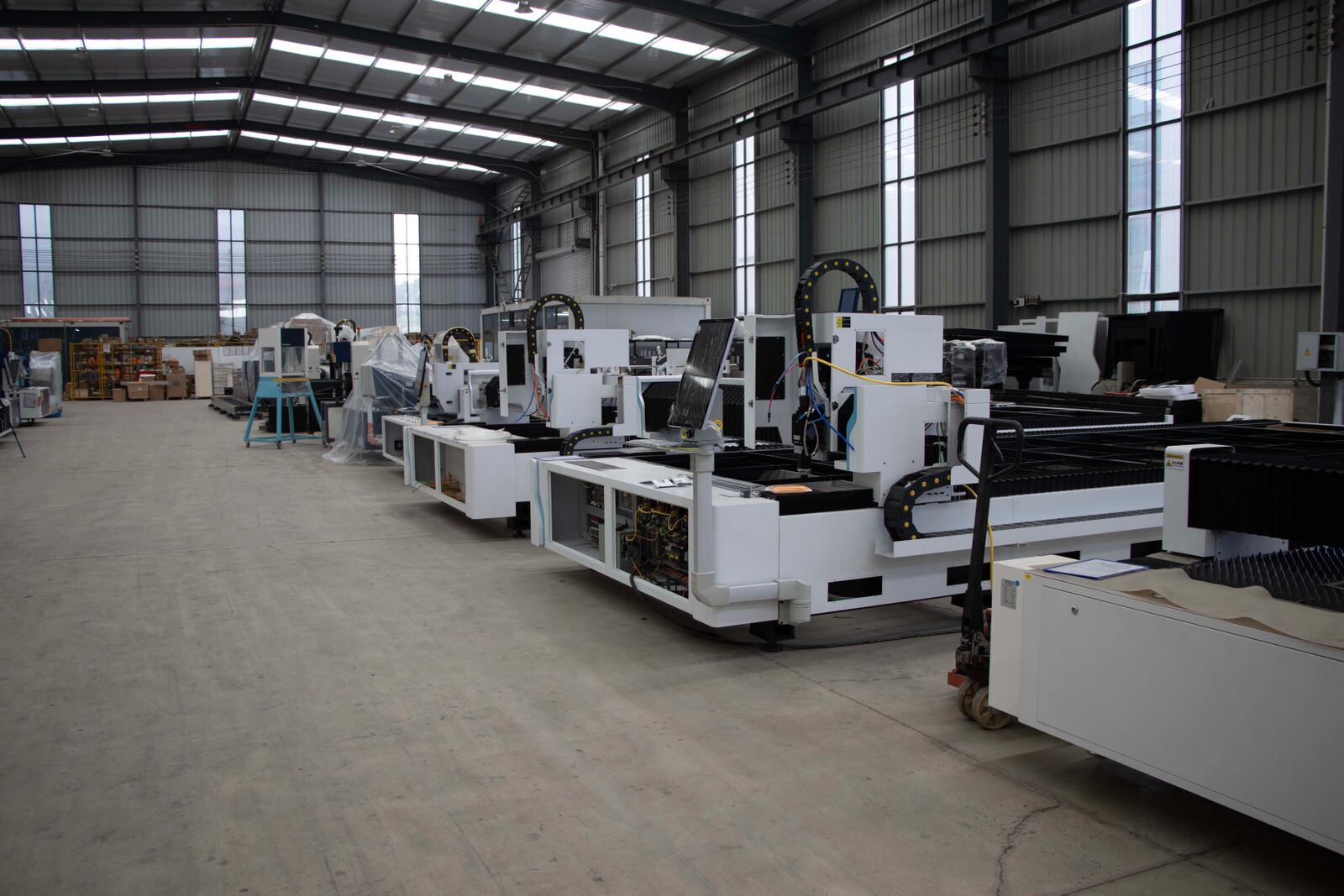
A clearance is the whole job. Every machine, bench, rack, cabinet and cable tray has to leave the building by a set date, and what is not sold still has to go somewhere. It is usually the last thing standing between you and handing the premises back.
We combine an auction of everything with resale value and coordination of the removal, so that the site ends up empty rather than half cleared. If you have a factory, unit or workshop to clear, describe it and your deadline through the contact form.
What these sales can include
- Production machinery
- Machine tools and tooling
- Pallet racking and mezzanines
- Compressors and air receivers
- Extraction and filtration systems
- Overhead cranes and hoists
- Forklifts and pallet trucks
- Workbenches, cabinets and stores
- Electrical switchgear
- Office furniture and IT
- Scrap metal and redundant stock
- Vans and site vehicles
Clearance is a different job from a sale
An asset sale is about getting the best price for the good items. A clearance is about the building being empty on a date, and the good items are the part that pays for it. Both matter, but the deadline sets the plan.
We start from the handover date and work backwards. Cataloguing, the auction period, viewing, collection, then a final strip of whatever is left. Each stage has a minimum duration, so the earlier we are instructed, the more of the contents we can sell rather than dispose of.
Where the saleable items cover it, they fund the rest. The cost of clearing residual material and taking down fixed installations is set against the sale proceeds, and we agree the terms for that before we start.
Everything that has to come out
A typical clearance covers more than the machinery:
- Production and workshop machinery, tooling and benches
- Racking, mezzanine floors and storage
- Compressors, pipework, extraction and other site services
- Electrical distribution, busbar and cable tray beyond the landlord's supply
- Office contents, IT, furniture and partitioning
- Stock, raw material, packaging and consumables
- Scrap metal, waste oil, chemicals and general waste
Much of this list can be offered in the sale, depending on condition and the cost of taking it out. Mezzanines, racking and extraction systems are sold for the buyer to dismantle and remove during collection, at their cost. Fixed electrical installation is often the landlord's, so check the lease before it is sold or removed. Waste and chemicals go through a licensed carrier, not the sale.
The auction stage
We catalogue every saleable item on site, from the main machines down to grouped lots of hand tools and stores. The sale runs online as a timed auction with a viewing day at the premises. The buyer pays the hammer price plus the premium, with VAT charged where it applies and shown separately, and collects during an agreed window.
Lots are offered as seen under the auction terms, and buyers are expected to inspect before bidding. They arrange and pay for dismantling and removal. Where an item must be taken down carefully, such as a mezzanine or an overhead crane, the catalogue says so and it is part of the lot.
You keep the premises accessible, safe and powered until collection ends. We attend to release lots. The more that leaves through the auction, the less there is to clear at cost afterwards.
The clearance stage
After collection there is always something left: unsold lots, the material nobody bid on, the contents of the far corner. This is the stage that separates a clearance from a sale.
We can sell residual items to a clearance buyer as a single lot, arrange scrap metal collection, and bring in contractors for the strip out and waste removal. Each of these is priced and agreed with you rather than assumed. Where the residual value covers the cost, there is nothing further to pay. Where it does not, you know the figure before the work starts.
The end point is a building that is empty to the standard the lease requires. We are not a dilapidations contractor, so redecoration and repair of the fabric are outside the scope, but the contents will be gone.
Timescales and what slows them down
As a guide, allow a few weeks from instruction to an empty building for a single unit, depending on the number of lots, access and how quickly buyers collect. A large factory with heavy plant, fixed services and a lot of residual material takes longer, mainly because the removal contractors need time on site.
The things that most often cause delay are:
- Late discovery that assets are on finance or belong to someone else
- Power being cut off before collection is complete
- No decision on what happens to the residual material
- Access restrictions the buyers did not know about
- Disputes with the landlord over what is a fixture
All of these are avoidable with an early conversation. Give us the lease, the asset register if there is one, and your deadline, and we will tell you whether the plan fits the time you have.
When a clearance is the wrong approach
If the business is moving rather than closing, you want a relocation sale that disposes only of the items not making the move. If a buyer is taking the premises with the equipment in it, the equipment may be worth more sold with the building than removed from it.
If the contents are mostly high value machinery and the handover date is flexible, a dedicated machinery auction with no clearance element may bring more, because there are no clearance costs to net off.
If the building is a site with many departments, vehicles, plant and stock, a complete site dispersal auction is the same idea on a larger scale.
Questions people ask
- Do you take everything, including the rubbish?
The auction takes everything with resale value. What is left is dealt with in the clearance stage: residual lots to a clearance buyer, metal to a scrap merchant, and waste through a licensed carrier. We arrange these, and the costs are agreed with you before the work starts. Hazardous waste and chemicals need specialist handling and are priced separately.
- Who dismantles the racking and mezzanine?
The buyer's contractors, during the collection window. Racking, mezzanine floors and overhead cranes are sold on the basis that the buyer takes them down and removes them at their own cost and risk. The catalogue says so, and that work is part of what the buyer takes on. If a structure is unsold, its removal becomes part of the clearance stage.
- What if the sale does not cover the clearance cost?
Then you pay the difference, and you will know the likely figure before anything starts. When we survey the site we estimate both the sale proceeds and the cost of clearing what is left, and we set the two figures out side by side before anything starts. Where the contents are mostly low value or the strip out is heavy, we say so at the start.
- Can this happen while the site is still trading?
Partly. The auction can be catalogued and run while production continues, with viewing and collection managed around your operation. The clearance stage needs the building to be empty of people and activity, because contractors are stripping services and moving heavy items. The final strip out is usually timed for after the last working day.
- What is a fixture and why does it matter?
A fixture is something attached to the building in a way that makes it part of the property. Whether a fixture is yours or the landlord's depends on the lease and on who installed it. Electrical installation, plumbing and sometimes extraction fall into a grey area. Check the lease before anything fixed goes into the sale, or a dispute can hold up the handover.
Related services
Guides
- How a commercial asset auction works
A stage by stage account of an online timed auction for business assets. It covers the asset schedule, cataloguing, viewing days, how bidding closes, buyer's premium and VAT, collection and how you get paid.
- Preparing machinery and equipment for sale
What to do before viewing day. Keep the machines that can be run safely available to demonstrate, isolate the rest, clean but do not repaint, find the tooling and manuals, and sort out access for removal.
Factory clearance by area
- Leicester
- Birmingham
- Manchester
- Sheffield
- Leeds
- Nottingham
- Derby
- Coventry
- Wolverhampton
- Stoke-on-Trent
- Liverpool
- Newcastle upon Tyne
- Sunderland
- Middlesbrough
- Hull
- Bradford
- Bristol
- Cardiff
- Swansea
- Glasgow
- Edinburgh
- Aberdeen
- London
- Reading
- Southampton
- Portsmouth
- Peterborough
- Northampton
- Milton Keynes
- Norwich
- Preston
- Warrington
- Doncaster
- Telford
- Plymouth
- Swindon