 Britannia Auctions
Sell engineering machinery to buyers who know it
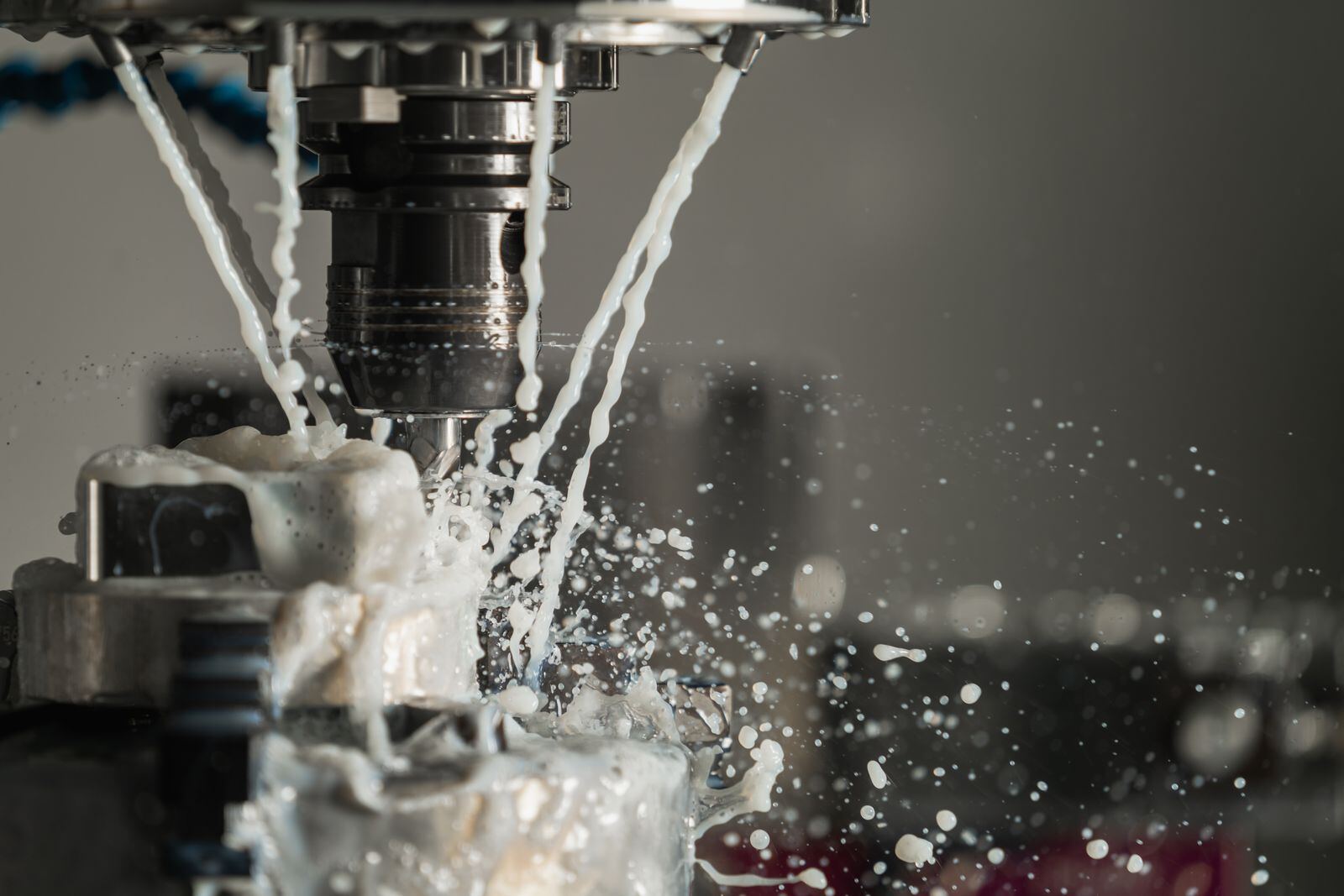
Machine tools have a market of their own. A CNC lathe, a turret mill or a surface grinder is bought by people who know exactly what they are looking at, and who will pay a fair price for a machine with a known history.
A machinery auction puts your equipment in front of that market. We catalogue each machine with the detail buyers want, run the sale online, and manage the collection window. Tell us what you have, with makes and models if you can, through the contact form.
What these sales can include
- CNC turning centres
- CNC vertical and horizontal machining centres
- Manual and toolroom lathes
- Milling machines
- Surface and cylindrical grinders
- Press brakes and guillotines
- Laser, plasma and waterjet cutters
- Bandsaws and cold saws
- Radial arm and pillar drills
- Welding sets and positioners
- Coordinate measuring machines
- Tooling, chucks and workholding
- Compressors and dust extraction
- Cranes, hoists and forklifts
What the buyers want to know
Engineering buyers bid on detail. A catalogue entry that says lathe tells them nothing. One that gives the make, model, year, serial number, control system, swing, centres, spindle speed and the tooling included tells them whether to travel for the viewing.
We record all of that when we catalogue. We photograph the control, the ways, the tooling and the nameplate. If a machine runs, we say so, and we note any known faults. Accurate condition notes let a buyer bid on what is there rather than guess at it.
Keep the paperwork with the machine. Manuals, tooling lists, software licences, probe calibration records and the last service report all add value. Control keys and dongles are essential, because without them the control cannot be used.
What affects demand
What a machine makes depends on its condition, specification, the age of the control and the cost of removing it. The main categories in these sales are:
- CNC turning and machining centres from recognised makers with common control systems
- Manual lathes, mills and grinders from established makers, especially in good order with tooling
- Sheet metal equipment: press brakes, guillotines, punches and laser or plasma cutters
- Welding and fabrication equipment, positioners and manipulators
- Inspection equipment, coordinate measuring machines and surface tables
- Sawing, drilling and general workshop machines
An unusual control or a maker no longer supported narrows the market. Very large or heavy plant carries a removal cost that is high against its value, part of what a buyer is pricing. We give you a view on likely interest before you commit.
Viewing, bidding and the buyer's premium
Machinery sales run as online timed auctions. The catalogue is published with photographs and specifications. Buyers register, view the machines on the viewing day, and bid online until the lots close. The sale is advertised to the engineering trade, and bidding is online and open to buyers across the UK and beyond.
The buyer pays the hammer price plus the buyer's premium. VAT is charged where it applies and shown separately on the buyer's invoice. Ask and we will go through the specifics for your sale. Where a buyer is overseas, they arrange their own export.
Machines are offered as seen under the auction terms, and buyers are expected to inspect before bidding, which is why the viewing day matters. Machines that can be run safely stay connected for the viewing day so your staff can demonstrate them where that is agreed, and everything else is isolated and left safe.
Reserves and estimates
We give an estimate for each significant machine before the sale. The estimate is an opinion of the likely hammer price based on condition, specification, the age of the control and current demand. It is not a valuation for insurance or accounts, and it is not a guarantee.
Reserves are available on the main machines. We advise on a reserve that reflects the market rather than what the machine cost. New machine prices have little bearing on what a used one makes. Age, hours, condition, control system and how many buyers need that exact machine this month matter more.
Smaller machines and tooling usually sell without reserve. A sale that clears is better for you than one with a tail of unsold lots that need dealing with afterwards.
Removal and access
Buyers arrange and pay for removal, with specialist machinery movers where the weight and dimensions call for them. At the first visit we check vehicle access and turning space, floor levels along the route, door dimensions and any shared yard, and the findings go in the catalogue so buyers know before they bid.
Every lot is isolated by a competent person before collection and drained where necessary, with electrical and gas disconnection by qualified people. Buyers do not disconnect services themselves. Foundations and machine feet stay unless agreed otherwise. Coolant, swarf and oil are not the buyer's problem and should be dealt with before handover.
We agree the collection window and the order of removal with you, and our staff attend to release lots against paid invoices. Heavy machines can take several days to move, so allow for that.
When a private sale beats an auction
For a single late model CNC in demand, a private treaty sale to a dealer or end user may bring more than an auction and can be quicker. We offer this route and we suggest it when it makes sense.
An auction wins when there are several machines, when the timetable is fixed, or when the market for the machine is broad and competitive bidding will find the price. An auction also puts the machine in front of everyone registered for the sale, not only the buyers you can approach directly.
If you are unsure, send us the list. We will say which machines we would place privately and which belong in a sale.
Questions people ask
- Do I need to know the exact model of each machine?
It helps, but we record it when we catalogue. Every machine has a nameplate with make, model and serial number, and we photograph it. What you can do is gather the documentation: manuals, tooling lists, control software, service history and keys. Those are the things buyers ask about and the things that are hard to find once the workshop is being packed up.
- Can buyers see the machines running?
They should, if it is safe and practical. Machines that can be run safely stay connected for the viewing day so they can be demonstrated, by your staff where that is agreed, and everything else is isolated and left safe. Keep power and air on until collection where you can. If a machine cannot be run, say why, and we put that in the catalogue.
- Who removes the machines and who pays?
The buyer arranges and pays for removal, using a machinery mover where the weight and dimensions call for one. What the job takes depends on the machine, the route out and the premises. Your side is to have the lot isolated by a competent person and drained, and to give access for the vehicle. Our staff attend during collection to release lots against paid invoices.
- Will overseas buyers bid?
Bidding is online, so the sale is open to buyers outside the UK as well as within it, and exporters do buy used machine tools. They arrange their own shipping and export paperwork. From your point of view nothing changes: they pay us like any other buyer, and they collect during the same window.
- How much is a used machine worth?
Less than it cost, and the gap depends on age, condition, control system and demand. A late model machine from a maker with strong dealer support can hold a good proportion of its value. An older machine with a rare control may be worth little more than its weight. We give you an estimate for each machine before the sale, based on its condition, specification and current demand, so you can decide with real numbers.
- What if a machine is on finance?
A machine on finance belongs to the funder until it is settled. It can only be sold with their agreement, and the settlement figure is usually paid from the proceeds. Tell us before we catalogue so we can contact them. If the settlement is higher than the likely hammer price, you need to know before the sale, because you would have to fund the shortfall.
Related services
Guides
- How a commercial asset auction works
A stage by stage account of an online timed auction for business assets. It covers the asset schedule, cataloguing, viewing days, how bidding closes, buyer's premium and VAT, collection and how you get paid.
- Preparing machinery and equipment for sale
What to do before viewing day. Keep the machines that can be run safely available to demonstrate, isolate the rest, clean but do not repaint, find the tooling and manuals, and sort out access for removal.
- How used machinery is valued
Buyers pay for what a machine will do for them, less what it costs to get it out and running. This guide explains how make, hours, tooling, demand and removal cost feed a guide price, and why that price is not book value.
Machinery auctions by area
- Leicester
- Birmingham
- Manchester
- Sheffield
- Leeds
- Nottingham
- Derby
- Coventry
- Wolverhampton
- Stoke-on-Trent
- Liverpool
- Newcastle upon Tyne
- Sunderland
- Middlesbrough
- Hull
- Bradford
- Bristol
- Cardiff
- Swansea
- Glasgow
- Edinburgh
- Aberdeen
- London
- Reading
- Southampton
- Portsmouth
- Peterborough
- Northampton
- Milton Keynes
- Norwich
- Preston
- Warrington
- Doncaster
- Telford
- Plymouth
- Swindon