 Britannia Auctions
Sell up and retire on your own terms
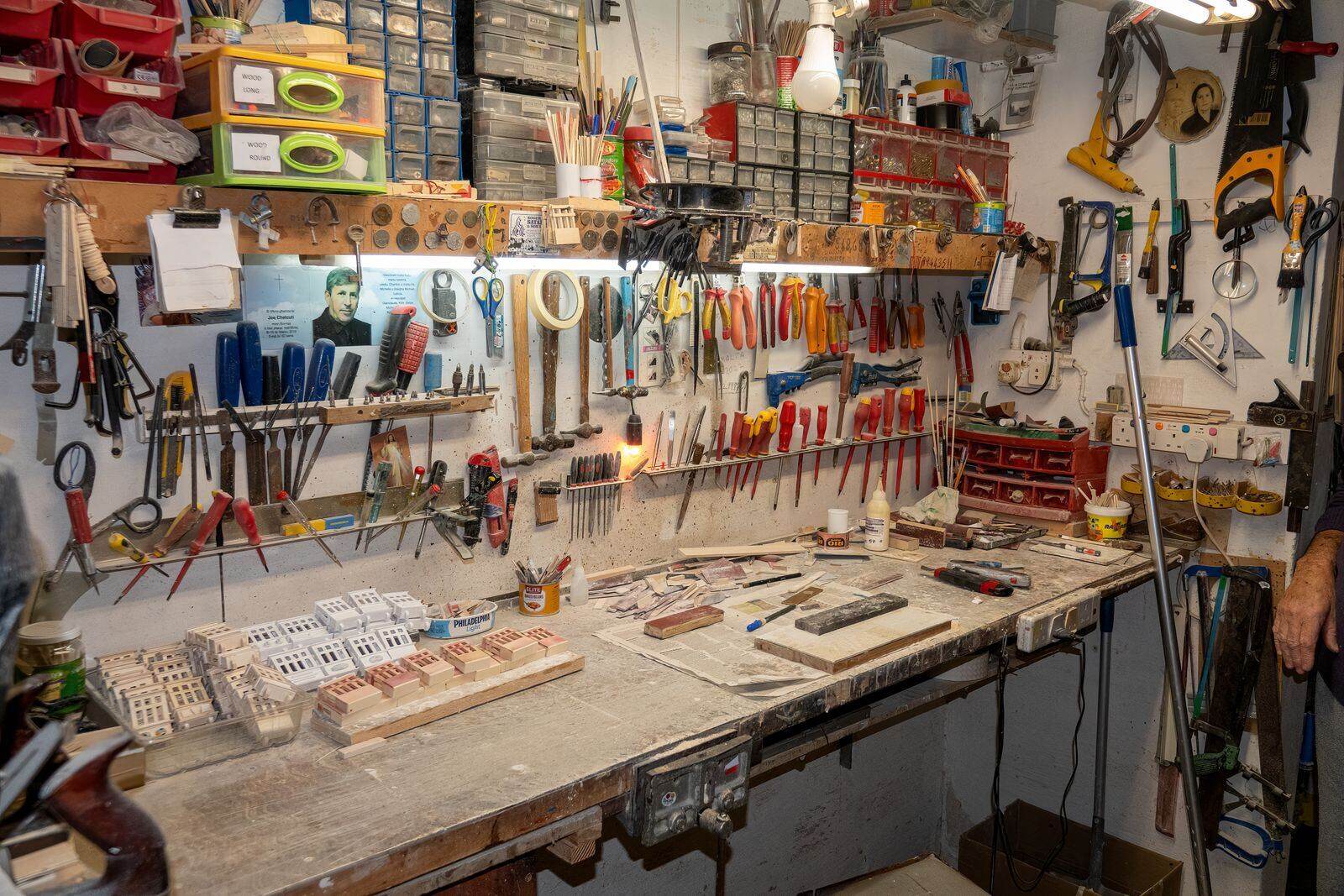
You are retiring and selling the equipment rather than passing the business on. The premises may be sold or the lease may be ending, and everything inside needs to go. Machinery, stock, vehicles, tooling, office furniture and the items nobody has moved in years.
An auction puts all of it on the market to a set timetable, with bidding online and a viewing day at the premises. We photograph and list the lots, run the sale online, and manage collection. If you want to talk it through, use the contact form and tell us what you have.
What these sales can include
- Workshop machinery
- Hand and power tools
- Vans and company vehicles
- Trade stock and consumables
- Racking and storage
- Forklifts and pallet trucks
- Office furniture and IT
- Welding and fabrication equipment
- Compressors and generators
- Vehicle lifts and garage equipment
- Catering and canteen equipment
- Signage and shop fittings
When an auction is the right route
An auction suits a retirement sale when there is no buyer for the business as a going concern, or when the buyer only wants part of it. It also suits owners who want a clean end date rather than months of selling items one at a time.
The sale runs to a timetable. Lots are catalogued, the auction opens online, bidding closes on a set day and buyers collect within a fixed window. That gives you a date to hand back the keys.
If you have a small number of high value machines and no deadline, a private sale may bring more. We say so when that is the case. Where there is a mix of a few good machines and a large volume of smaller items, an auction deals with both on one timetable.
How the sale runs
It starts with a conversation. We ask what you have, where it is, and when you need it gone. Then we visit, walk the premises with you and agree which items are included.
We catalogue the lots on site. Each lot gets a description, photographs and, where relevant, a serial number and condition note. The catalogue goes online and the auction is marketed to buyers in the trade.
Most sales run as online timed auctions. Bidding is open for a set period, usually a week or two, with a viewing day at your premises before it closes. Buyers pay us, then collect their lots during the collection window. We account to you once the sale is reconciled, buyers have paid and the collection window has closed, from cleared funds.
What you need to prepare
You do not need to tidy the workshop or write a list of everything. We do the cataloguing. What helps is:
- A rough idea of the main items and any you want to keep
- Details of anything on finance, hire purchase or lease, because it belongs to the funder until it is settled
- Access for cataloguing, viewing and collection
- Power and lighting kept on until collection, so machines that can be run safely can be demonstrated
- Your target date for the premises to be empty
Keep manuals, keys, tooling and software dongles with the machines they belong to. Control keys, dongles and documentation are part of what makes a machine usable, so keep them with it. Do not start selling items privately once we have catalogued them, as withdrawn lots damage the sale.
Values, reserves and what the buyer pays
We give you a view on likely hammer prices before you commit. These are opinions based on condition, specification and current demand, not guarantees. Used equipment is worth what a buyer will pay on the day.
Reserves can be set on the main items. A reserve is the minimum price you will accept. Set too high, the lot does not sell and you still have it. We advise on reserves that protect you without choking the bidding. Smaller lots usually go without reserve.
The buyer pays a buyer's premium on top of the hammer price. VAT is charged where it applies and shown separately on the buyer's invoice. Ask us and we will explain the specifics for your sale. Your charge is a separate commission, with any agreed costs, put in writing before the sale is listed and deducted from the proceeds.
Collection day and unsold lots
Buyers collect during a window agreed with you after the sale closes, usually over a few days. They arrange and pay for the removal of their lots, and what each one takes depends on its weight and dimensions and the route out of the building. Our staff attend to check paid invoices and release lots.
You need to keep the premises open and safe during that window. Forklift access, loading bays and clear gangways all speed things up.
Lots are offered as seen under the auction terms. Buyers are expected to inspect before bidding, which is why the viewing day and an accurate description matter.
A few lots may fail to reach their reserve or attract no bids. We can re-offer them, sell them afterwards to an underbidder, or agree a route to clear them so the premises are empty on your date.
Other routes and when we suggest them
Not every retirement sale is best served by a single auction. If a buyer is taking over the business, you might only need to sell the items they do not want, which is a smaller consignment into one of our collective sales.
If you have a couple of high value machines and a large amount of low value stock, we might split them. The machines go into a machinery sale aimed at that trade. The rest goes into a general sale or is cleared as a job lot.
If the lease has months to run and you are not in a hurry, private treaty on the main items may bring more than an auction. We tell you which route we think fits before you commit to anything.
Questions people ask
- Can I keep some items back?
Yes. Tell us before we catalogue and we leave them out. Once a lot is in the published catalogue, withdrawing it is bad for the sale and may attract a withdrawal charge under our terms, so decide early. If you are unsure about an item, we can catalogue it with a reserve so that it only sells at a price you are happy with.
- How long does a retirement sale take?
As a guide, allow two to four weeks from instruction to collection, depending on the number of lots, access and how quickly buyers pay and collect. Cataloguing usually takes a few days, longer where there are many small items. The auction itself is usually open for a week or two. Collection follows over several days. If you have a fixed date to leave the premises, tell us at the start and we plan around it.
- Do I need to be there on collection day?
Someone needs to open up and stay on site, but it does not have to be you. Our staff attend to check invoices and release lots. You or a nominated person are there to give access, answer questions about services and lock up. You are welcome to be there, but it is not required.
- What if my business has items on finance?
An item on hire purchase, lease or loan belongs to the funder until it is settled, and it can only be sold with their agreement. Tell us at the outset. Where they agree, the settlement figure is usually paid from the proceeds and the balance comes to you. Selling without consent can leave you liable, so this is not something to skip.
- Can the sale be run without announcing my retirement?
Yes. Some owners prefer not to advertise the closure to customers or competitors until the sale is live. We can market the auction without naming the business, and give the address only to registered bidders before the viewing day. Once the catalogue is public the sale can be traced back to the premises, so plan the timing of any announcement to staff and customers with that in mind.
Related services
Guides
- Auction or private treaty: which route to choose
Auction gives you a fixed date and an open market. Private treaty gives you a negotiated price and privacy. This guide sets out when each route suits, what you give up with each, and why many sales use both.
Retirement auctions by area
- Leicester
- Birmingham
- Manchester
- Sheffield
- Leeds
- Nottingham
- Derby
- Coventry
- Wolverhampton
- Stoke-on-Trent
- Liverpool
- Newcastle upon Tyne
- Sunderland
- Middlesbrough
- Hull
- Bradford
- Bristol
- Cardiff
- Swansea
- Glasgow
- Edinburgh
- Aberdeen
- London
- Reading
- Southampton
- Portsmouth
- Peterborough
- Northampton
- Milton Keynes
- Norwich
- Preston
- Warrington
- Doncaster
- Telford
- Plymouth
- Swindon