 Britannia Auctions
Sell what will not make the move
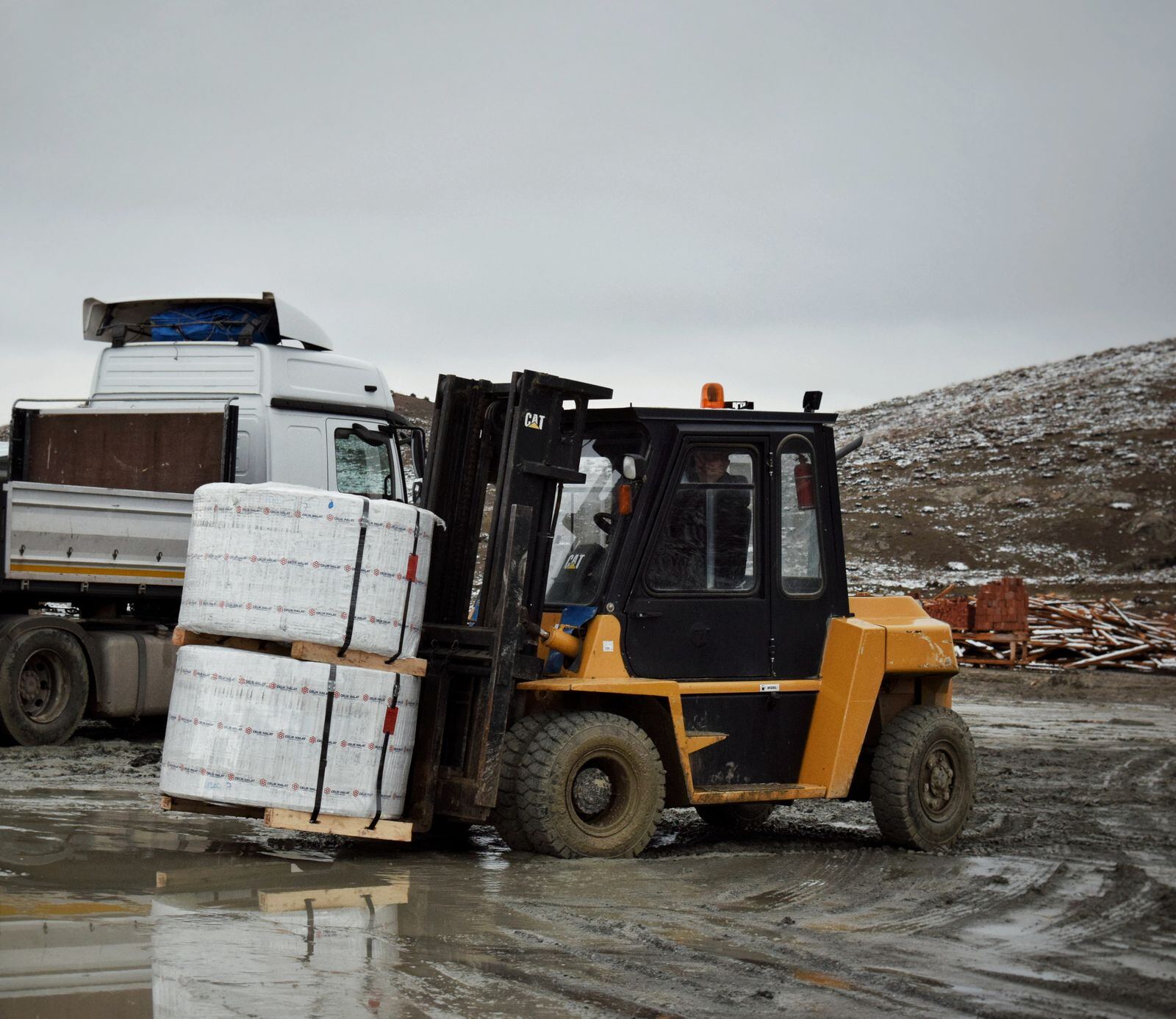
A move to new premises is the point where a business finds out how much it owns. Some machines will not fit the new floor plan. Others are too old to justify the transport cost, or were bought for work you no longer do. Downsizing raises the same questions with a firmer deadline.
We sell the equipment that stays behind, by online auction, on your timetable. The sale can run while you are still trading from the old site. Use the contact form to tell us what is moving and what is not.
What these sales can include
- CNC machine tools
- Presses and press brakes
- Racking and mezzanine floors
- Forklift trucks
- Air compressors
- Workshop tooling and hand tools
- Office furniture and desks
- IT equipment and servers
- Packing and labelling machines
- Welding equipment
- Extraction and dust collection systems
- Vans and light commercial vehicles
When a relocation sale makes sense
Moving heavy equipment is expensive. A machine tool or press has to be isolated by a competent person, lifted and loaded with handling equipment that suits its weight and dimensions, and transported, with the same again at the other end. Add a new foundation, a power supply and recommissioning, and the total can come close to the price of a replacement.
The question to ask for each item is whether it earns its place at the new site. If the answer is no, or the machine would sit unused for a year, it is usually better to sell it before the move. The buyer takes on the removal. You keep the transport budget for the equipment you need.
The same logic applies when you reduce floor space. Equipment that has no home at the smaller site is a cost until it is sold.
How the sale runs
We visit the site, list the lots and photograph them in place. You tell us which items are moving and which are for sale, and we tag the sale lots so there is no confusion on the shop floor.
The catalogue goes online as a timed auction. Bidding stays open for a set period, usually one to two weeks, and each lot closes at a fixed time with an extension if a bid arrives in the last minutes. We hold a viewing day at your premises, and lots are offered as seen under the auction terms, with buyers expected to inspect first.
After the sale we invoice the buyers and take payment. You are paid once the sale is reconciled and the collection window has closed, from cleared funds, less the agreed commission and any agreed costs. Buyers arrange and pay for removal, and our staff attend to release lots against paid invoices.
Timing the sale around the move
The best time to sell is the last few weeks at the old premises, once you have decided what is moving and before the site is handed back. Lots can be photographed and catalogued while production continues. Viewing and collection are then arranged for the days after your own move, when the building is quieter.
If the lease ends on a fixed date, tell us at the first call. The collection window has to finish before the keys go back. Where the timetable is tight we can shorten the bidding period, though that leaves buyers less time to find the sale.
Some businesses run two sales: one for the items that can go early, and a second for the equipment that must work until the last day. That avoids selling a machine you still need.
What to prepare
A list of the equipment that is not moving, with serial numbers where you have them, saves time at the first visit. It does not need to be a formal asset register.
Gather the paperwork that adds value. Service records, tooling lists, software licences and operator manuals all help buyers bid with confidence. Where an item is on finance or lease, we need to know before it is catalogued, because it belongs to the funder until it is settled and can only be sold with their agreement.
Machines that can be run safely stay connected for the viewing day so they can be demonstrated, where that is agreed with you. Everything else is isolated and left safe. Every lot is isolated by a competent person before collection, and buyers arrange and pay for removal.
Valuation and reserves
We give an estimate for each lot before the sale, based on condition, age and current demand for that type of equipment. Estimates are a guide, not a promise. The market sets the final price on the day.
Reserves are agreed with you before the catalogue goes live. A reserve protects a valuable lot from selling too cheaply, but a reserve set above what buyers will pay leaves you with the item after the sale. For lower value lots the cost of holding on to them is usually more than the risk of selling without a reserve.
The buyer pays a buyer's premium on top of the hammer price, and VAT is charged where it applies and shown separately on the buyer's invoice. Ask us and we will explain the specifics for your sale. Your charge is a separate commission, with any agreed costs, deducted from the proceeds.
Unsold lots and leftovers
Where a lot does not reach its reserve we discuss the options with you: offer it to the underbidder, or hold it over for our next collective auction. A single valuable machine can also be sold by private treaty to a buyer approached directly.
Anything with no resale value can be included in a site clearance, so the premises are left empty and swept once the buyers have collected. Tell us at the outset if the landlord has set conditions for handover, such as making good floor bolts or capping off services to machines. We build that into the plan rather than find out on the last day.
Questions people ask
- Can we sell before we have moved out?
Yes, and it is usually the best way to do it. The lots are catalogued and photographed while you are still trading. Bidding runs online, so nothing disrupts the shop floor. Viewing and collection are booked for dates that suit the move, often the days after your own equipment has gone to the new site.
- What if we are not sure whether a machine is moving?
Decide before the catalogue is published, not after. Once a lot is listed and buyers have bid on it, withdrawing it damages the sale and can leave you liable for costs. If a machine is genuinely undecided, leave it out of the first sale. It can go into a later collective auction if you change your mind.
- Who takes the machines out?
The buyer, or a specialist mover the buyer appoints where the weight and dimensions call for one. We agree the method for anything heavy and our staff attend collection to release lots. Lots are isolated by a competent person before removal, electrical and gas disconnection is done by qualified people, and buyers do not cut live services.
- Do we have to sell everything that is not moving?
No. You choose which items go into the sale. Some businesses keep spares or tooling in storage for a while and sell them later. Anything with no resale value can be cleared as part of the clean up so the building is handed back empty.
- What happens to items on finance or lease?
Tell us before the item is catalogued. Equipment on lease or hire purchase belongs to the funder until it is settled. It can only be sold with their agreement, and where they agree the settlement figure is usually paid from the proceeds before you receive the balance.
Related services
Guides
- Closing a business: a timeline for selling the assets
Work backwards from the day you hand the site over. This guide covers lease end and dilapidations, when to instruct, when staff should leave, when to keep the power on, and how to leave enough room for collection and making good.
- Selling a commercial vehicle fleet
Fleet sales turn on paperwork as much as on price. This guide covers the V5C, MOT and plating documents, clearing finance before listing, keys and livery, recording mileage and tachograph data, and how to defleet in batches while still trading.
Relocation sales by area
- Leicester
- Birmingham
- Manchester
- Sheffield
- Leeds
- Nottingham
- Derby
- Coventry
- Wolverhampton
- Stoke-on-Trent
- Liverpool
- Newcastle upon Tyne
- Sunderland
- Middlesbrough
- Hull
- Bradford
- Bristol
- Cardiff
- Swansea
- Glasgow
- Edinburgh
- Aberdeen
- London
- Reading
- Southampton
- Portsmouth
- Peterborough
- Northampton
- Milton Keynes
- Norwich
- Preston
- Warrington
- Doncaster
- Telford
- Plymouth
- Swindon