 Britannia Auctions
Sell the whole site in one auction
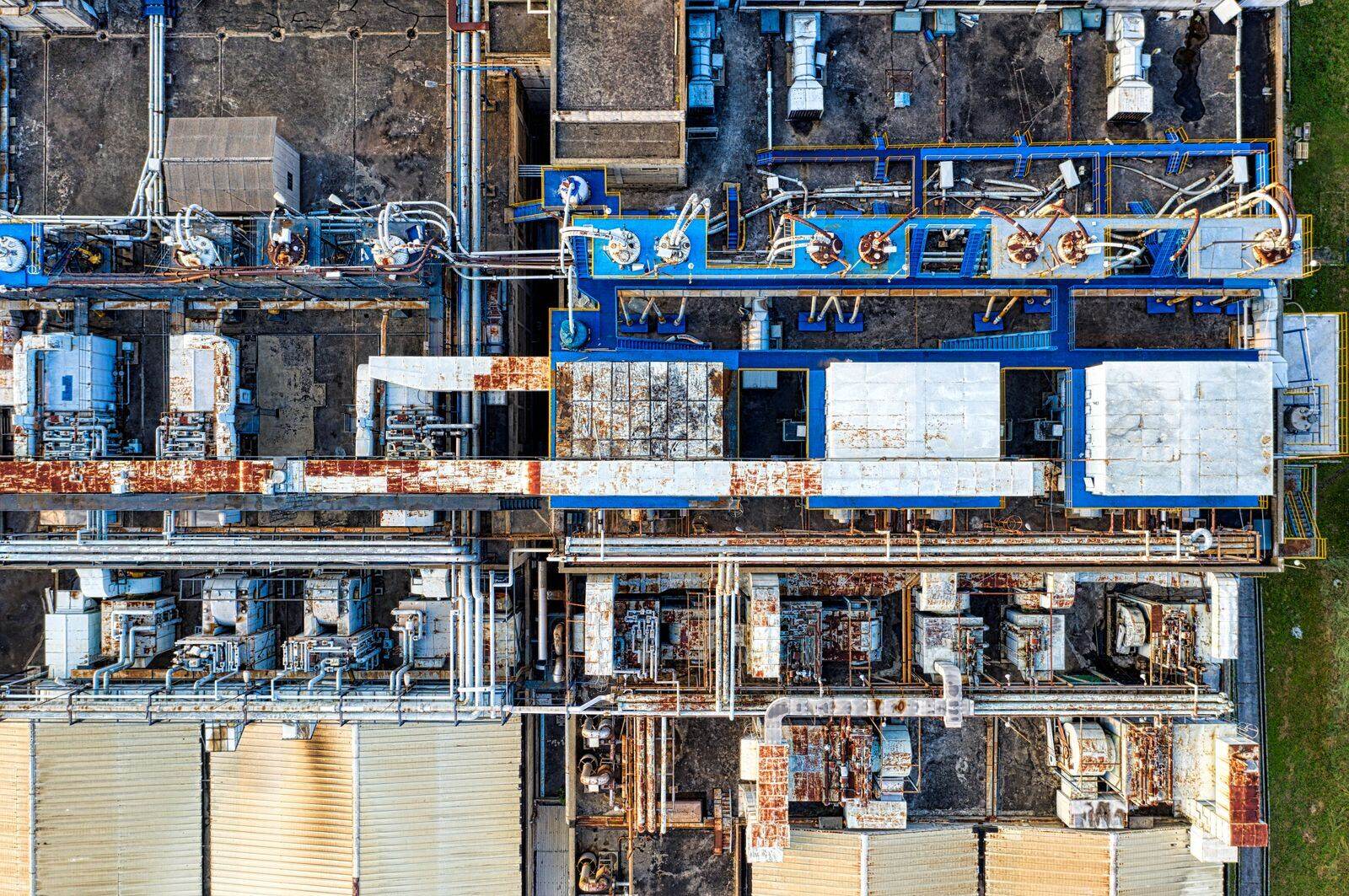
A site dispersal is the sale of everything on the premises: the production machinery, the tooling and spares, the racking, the office furniture and the forklift in the yard. It happens when a factory closes, a business is wound up or one site is folded into another.
The job is to turn a full building into an empty one, with the best return on the way. We catalogue the site, run the auction and manage the buyers as they collect. Use the contact form to tell us about the site and the date it has to be clear.
What these sales can include
- Complete production lines
- CNC lathes and machining centres
- Presses, guillotines and folders
- Overhead cranes and hoists
- Compressors and air receivers
- Forklift trucks
- Racking and storage systems
- Tooling, spares and consumables
- Inspection and test equipment
- Welding and fabrication equipment
- Office furniture and IT equipment
- Canteen and welfare equipment
- Vehicles and trailers
What a site dispersal involves
Every item on the site is listed, from the main production line down to the contents of the stores. Large machines are sold as single lots. Smaller items are grouped into sensible lots, so a shelf of fittings or a rack of tooling sells as one entry rather than fifty. The aim is a catalogue that trade buyers can work through and that clears the building.
A full dispersal typically runs to several hundred lots. We photograph each one in position, list serial numbers and specification, and note the services connected. Where a machine is worth more in pieces than whole, or where a line can be split into sections, we advise on how to lot it before the catalogue is written.
Preparing the site
The most useful thing you can do is stop the site changing. Once the inventory is taken, nothing should be moved, sold or scrapped without telling us. Buyers bid on what they saw at the viewing, and a missing item is a dispute.
Machines that can be run safely stay connected for the viewing day so they can be demonstrated, where that is agreed, and everything else is isolated and left safe. Gather manuals, tooling lists, maintenance records and any programmes stored on machine controls. Confirm with the landlord or freeholder what condition the building must be left in, because that decides who makes good the floor after the machines are lifted out.
Tell us about anything that is not the company's to sell: hired equipment, items on finance, customer owned tooling and stock under retention of title.
The auction
The sale runs as an online timed auction, open for bidding for a fixed period with a viewing day at the site before the close. Lots close in sequence, and a late bid extends the closing time for that lot so nobody is beaten by the clock. Bidders register online, and the sale is advertised to the trade for that type of equipment.
Lots are offered as seen under the auction terms, and buyers are expected to inspect before bidding. The buyer pays the hammer price plus a buyer's premium, with VAT charged where it applies and shown separately on the invoice. Once paid, the buyer collects within the agreed window. Our staff are on site throughout collection to check off each lot and control access.
For very large sites the sale may be split into two or more auctions, so the building empties in stages and production can continue in one area while another is cleared.
Removal and heavy lifting
Buyers arrange and pay for the removal of their lots. What each one takes depends on its weight and dimensions and the route out, so heavier lots are usually moved by specialist contractors the buyer appoints. Where a method statement is needed we agree it before the day. Every lot is isolated by a competent person before removal, electrical and gas disconnection is done by qualified people, and we do not allow a buyer to cut a live service.
Where a machine is bolted down, the buyer removes it and the bolts are cut flush unless the landlord's terms require the floor to be made good. Overhead cranes, compressors on the roof and plant in pits need extra planning and a longer collection window.
Anything unsold or not worth selling can be cleared by contractors where that is agreed, so the site is handed back empty.
Timescales and what to expect
As a guide, allow four to six weeks from instruction to an empty building, depending on the number of lots, access and how quickly buyers collect. That covers cataloguing, around two weeks of bidding and a collection window of one to two weeks. A site with several hundred lots and heavy machinery is at the longer end. A small workshop can be quicker.
Proceeds are paid to you once the sale account is reconciled and the collection window has closed, from cleared funds, less the agreed commission, with a statement showing the hammer price for every lot.
If the site is to be sold or the lease surrendered, agree the dates with us early. The collection window has to close before the handover, and the building cannot be marketed as vacant until the last buyer has left.
Questions people ask
- Do we have to sell everything on the site?
No. Items you are keeping are tagged and excluded from the catalogue before it is written. It is much easier to exclude an item at the start than to withdraw it after buyers have bid. Decide what stays before the site visit, and tell us about anything that belongs to a customer, a hire company or a finance house.
- Who takes the machines out of the building?
The buyer arranges and pays for removal, with specialist movers where the weight and dimensions call for them. Where a method statement is needed, we agree it beforehand, and our staff are on site during collection. Every lot is isolated by a competent person and services are disconnected by qualified people. Your own staff do not have to move anything, although someone who knows the building helps on collection days.
- What if some of the equipment is on finance or hire?
Tell us before the catalogue is prepared. Hired equipment goes back to the hire company. Equipment on hire purchase or lease belongs to the funder until it is settled, so it can only be sold with their agreement, and where they agree the settlement figure is usually paid from the proceeds.
- Can you sell the building or the lease?
No, we sell the contents. We do work alongside the property agent or landlord to align the collection window with the handover date, and to agree what condition the floor and services must be left in. Coordinating the two early avoids a building that cannot be marketed because lots are still being collected.
- What happens to lots that do not sell?
Lots offered without reserve go to the highest bid on the day. Where a reserved lot does not meet its reserve, we can offer it to the underbidder or move it to a later auction. Items with no market value are cleared with the site so the building is handed back empty.
Related services
Guides
- Auction or private treaty: which route to choose
Auction gives you a fixed date and an open market. Private treaty gives you a negotiated price and privacy. This guide sets out when each route suits, what you give up with each, and why many sales use both.
- Closing a business: a timeline for selling the assets
Work backwards from the day you hand the site over. This guide covers lease end and dilapidations, when to instruct, when staff should leave, when to keep the power on, and how to leave enough room for collection and making good.
- What insolvency practitioners need from an auctioneer
For office holders realising physical assets. Covers the instruction letter, the asset schedule and valuation basis, retention of title, finance checks, site security, health and safety during the sale, and the reconciliation you need for the file.
Site dispersals by area
- Leicester
- Birmingham
- Manchester
- Sheffield
- Leeds
- Nottingham
- Derby
- Coventry
- Wolverhampton
- Stoke-on-Trent
- Liverpool
- Newcastle upon Tyne
- Sunderland
- Middlesbrough
- Hull
- Bradford
- Bristol
- Cardiff
- Swansea
- Glasgow
- Edinburgh
- Aberdeen
- London
- Reading
- Southampton
- Portsmouth
- Peterborough
- Northampton
- Milton Keynes
- Norwich
- Preston
- Warrington
- Doncaster
- Telford
- Plymouth
- Swindon