 Britannia Auctions
Commercial vehicle and fleet auctions in Norwich
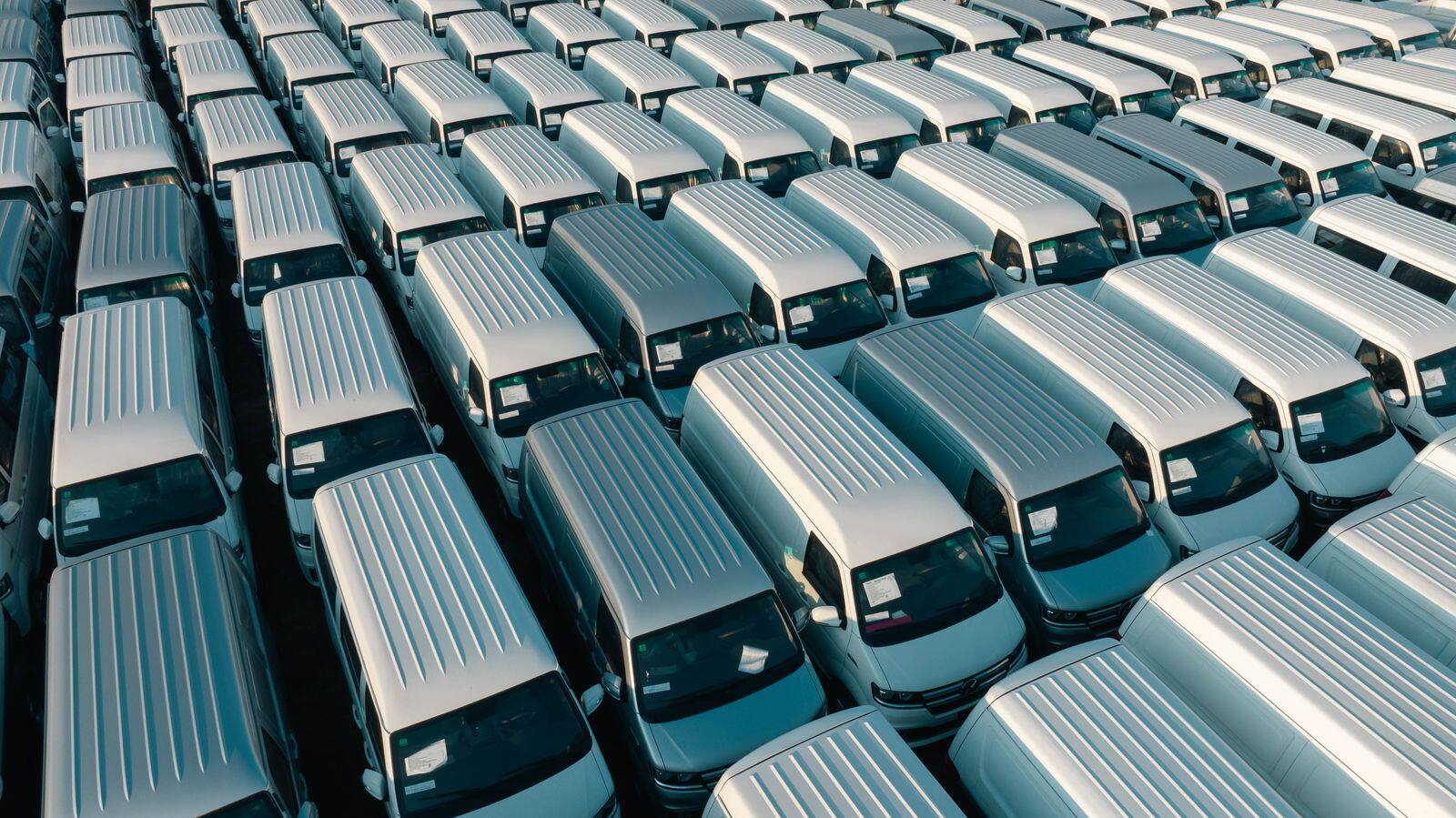
Norfolk's vehicles are spread thin. A food producer in a village off the A47 has three refrigerated vans and a box lorry, an agricultural engineer at Attleborough has a pair of pickups and a plant trailer, a packaging firm on Broadland Business Park runs a small fleet of curtainside rigids, and a builder at Aylsham has two tippers. None of them is a big fleet on its own, but each one is a sale, and the catalogue for it is open well beyond Norfolk.
Vehicle sales here are as much about geography as anything. We photograph and describe the vehicles at the seller's yard, run an online timed auction for a week or two with a viewing day, and set collection days around the site. Where the approach will not take buyers, the vehicles are collected and sold from our own premises instead.
Bidding is open across the UK, with Great Yarmouth, Dereham, Wymondham and Diss in reach of a viewing day.
Fridge vans and box lorries from the food producers
Food and drink producers run vehicles that come up for sale often. When a producer loses a supermarket listing, hands its deliveries to a haulier, downsizes or closes, the refrigerated vans and temperature controlled box lorries come up with it. We run the fridge unit before we photograph where it is safe to do so, note the hours on it and the last service, and say in the listing whether the body is insulated to chilled or frozen standard, because a caterer and a meat wholesaler want different answers.
The market for these is not only local. A fridge van is bought by caterers and mobile traders wherever they are, and a box lorry with a working fridge and a tail lift is a specialist lot, so online bidding counts for more here than it does on a builder's tipper.
Reserves make sense on the lorries. The vans usually find their own level.
Collecting from villages beyond the ring road
The first thing we look at for a Norfolk sale is the lane. Plenty of food and farm businesses sit at the end of a single track road with a bridge weight limit or a tight bend, so during our first visit we check the approach, the turning space, the weight limits and where a transporter could stand. What we find goes in the listing, so a buyer knows what to send before bidding rather than arriving with the wrong vehicle.
Where the approach will not take the traffic, the vehicles are driven out to our own premises and the viewing and collection are held there instead. Sites on Broadland Business Park and around Norwich Airport usually take a rigid or an artic, and the Broadland Northway reaches the A11 and the A47 from either.
Either way we tell buyers in the listing exactly what to expect, so nobody sends a wagon down a lane it cannot use.
What these sales can include
- Panel vans
- Long wheelbase vans
- Luton box vans with tail lifts
- Tippers and dropside trucks
- Refrigerated vans
- Rigid lorries
- Tractor units
- Curtainside trailers
- Flatbed and skeletal trailers
- Minibuses and welfare vehicles
- Pickups and 4x4s
- Car derived vans
- Plant trailers
- Vehicle mounted equipment
How the sale runs
We photograph and describe each vehicle, record the mileage and note known faults. The vehicles are listed in an online timed auction and the catalogue is marketed to trade buyers, hauliers, owner drivers and export buyers. Bidders can inspect on a viewing day, usually at your yard or ours, and lots close in sequence on the sale date.
Lots are offered as seen under the auction terms, and buyers are expected to inspect before bidding. The buyer pays the hammer price plus a buyer's premium, with VAT charged where it applies and shown separately on the buyer's invoice. Your charge is a separate commission, with any costs agreed in advance, deducted from the proceeds.
Reserves can be set on individual vehicles where there is a clear reason, such as a finance settlement figure.
The commercial vehicle and fleet auctions page covers when auction suits a fleet, paperwork that affects the price, livery and fleet kit, after the hammer.
Questions about selling in Norwich
- Our vans are parked at a farm and only get used for deliveries at harvest. When should we sell them?
Once the last delivery is done, rather than holding them over a winter for a season you may not run. A van that sits from October to June still costs tax, insurance, depreciation and a slot in the yard, and a buyer in spring does not pay more for it. What matters is that each van has its V5C, its keys, an MOT with some months left and a service record. If harvest is close and you need the vans for it, we can photograph now and set the auction to close the week after your last run.
- We have a single car derived van from a print business in the city. Is that worth an auction?
Yes. A single van goes into the next sale alongside vehicles from other sellers, and it gets the same photographs and description as a lorry. We would usually collect it and sell it from our own premises rather than hold a viewing day for one vehicle at a print works on Vulcan Road. Have the V5C, the keys, the MOT certificate and any service invoices ready. The same person deals with you from the first call to payment.
More questions about vehicles and fleets
Related services
Guides
- Selling a commercial vehicle fleet
Fleet sales turn on paperwork as much as on price. This guide covers the V5C, MOT and plating documents, clearing finance before listing, keys and livery, recording mileage and tachograph data, and how to defleet in batches while still trading.