 Britannia Auctions
Liquidation and insolvency asset sales in Hull
Hull's caravan and holiday home supply chain rises and falls with the big manufacturers' order books. When production is cut, the joinery shops and upholsterers that supply them can fail within a season, and the office holder inherits a factory at Sutton Fields or Kingswood full of timber, foam, fabric and machinery bought for one customer's specification.
We sell those assets on instruction from the administrator, liquidator, lender or landlord. Our first visit produces a schedule with photographs and serial numbers, a written opinion of value and a list of anything on finance or supplied on retention of title terms, which in the timber and fabric trades can cover much of the raw material. The route is nearly always an online timed auction with a viewing day at the factory. The online catalogue reaches joinery and upholstery firms UK wide, and Beverley, Goole, Driffield and the towns over the Humber are close enough for a viewing day. Use the contact form to describe the appointment.
Routers, edge banders and foam from a caravan supplier
The machinery in a caravan joinery shop is standard woodworking plant, which widens the audience for the catalogue. CNC routers, beam saws, edge banders, spray booths and dust extraction are of interest to kitchen makers, shopfitters, furniture firms and boat builders anywhere in the UK as well as to the caravan trade. Upholstery plant, cutting tables, sewing machines and foam saws reach a similar audience.
The stock is where the questions are. Timber, board, foam, fabric and fittings held for one manufacturer's model range have a value to that manufacturer and to its other suppliers, and much less to anyone else. Material of that kind may be subject to a retention of title claim. We schedule it by type and quantity, hold it apart until the office holder has dealt with the claims, and then either offer it to the trade in bulk lots or, where the manufacturer wants it, report a private treaty offer for a decision.
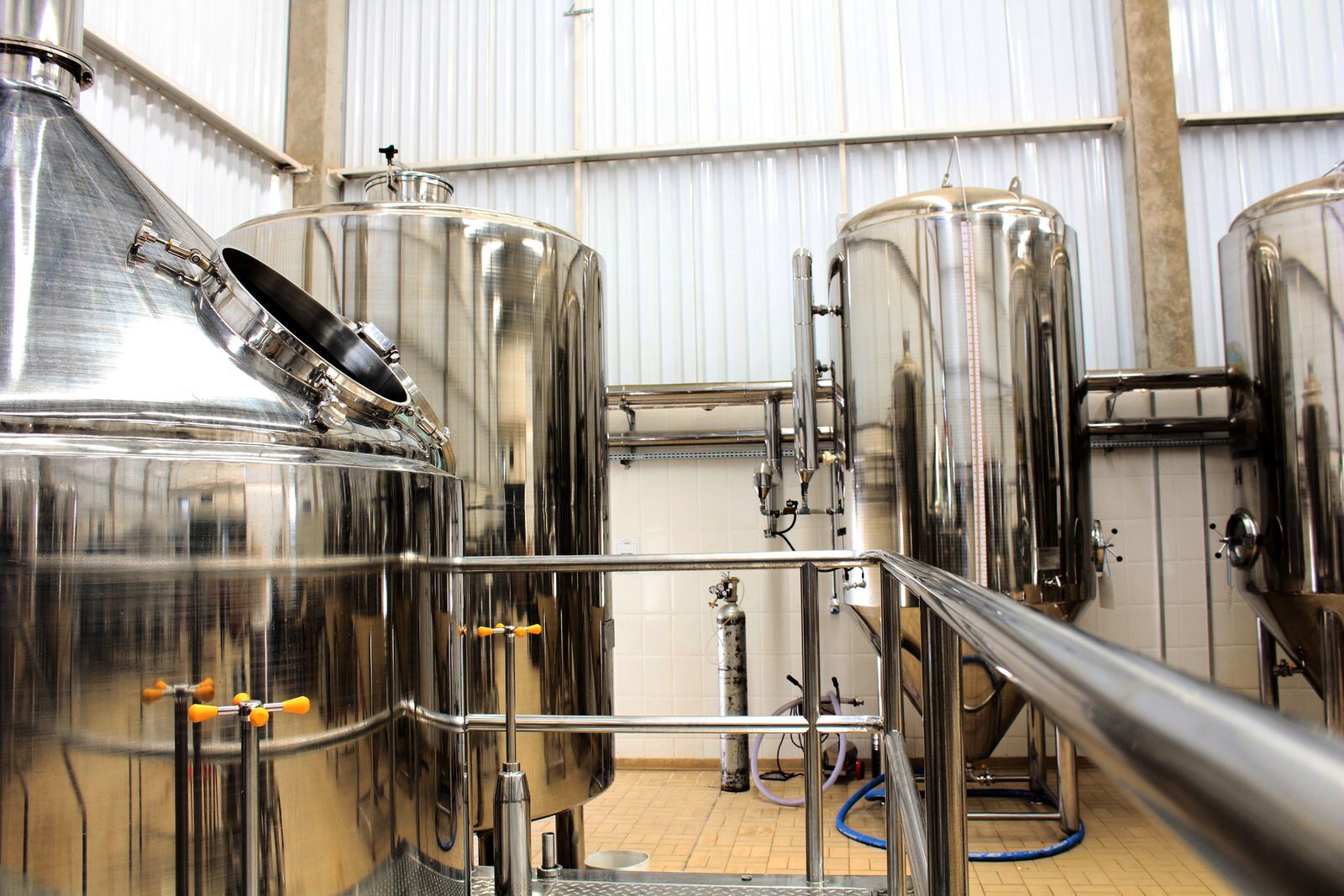
Stainless plant and chilled stock from a food processor
A failed food processor on the east side of the city presents the office holder with two clocks. The finished goods and the raw material in the chillers have dates on them and are losing value by the day, and the electricity supply that keeps them cold may be at risk. We attend at short notice, check the chillers and freezers are running, schedule the stock by product and date, and give the office holder a view on which lines are worth selling to the trade and which should be cleared or destroyed under the relevant rules.
The plant is a slower job and a better one. Stainless steel tables, mixers, ovens, fryers, packing lines, metal detectors and cold rooms are catalogued for food firms across the UK. The sale runs as an online timed auction from the premises. Where the landlord wants the unit back quickly, the smaller kit can come to our own premises for sale.
What these sales can include
- Machine tools and production lines
- Finished stock and work in progress
- Raw materials and components
- Commercial vehicles and vans
- Plant and site equipment
- Forklift trucks and pallet trucks
- Racking and warehouse fittings
- Office furniture and IT equipment
- Catering and bar equipment
- Fixtures and fittings
- Tooling, spares and consumables
- Shop fittings and displays
How the auction runs
Insolvency assets are usually sold by online timed auction. The catalogue is photographed on site, listed with estimates and opened for bidding for a period agreed with the office holder, usually one to two weeks. A viewing day is held at the premises. Lots are offered as seen under the auction terms, and buyers are expected to inspect before bidding.
Buyers pay the hammer price plus a buyer's premium, with VAT charged where it applies and shown separately on the invoice. Payment is taken before collection. Buyers arrange and pay for the removal of their lots during an agreed collection window, using specialist movers where the weight and dimensions call for them. Our staff supervise collection so the premises are protected and every removal is signed off.
Private treaty is used for individual assets where a direct sale may produce more than the auction, subject to the office holder's approval.
The liquidation and insolvency asset sales page covers who instructs the sale, what an insolvency practitioner needs from us, securing the site, timescales, for directors.
Questions about selling in Hull
- The stock was made to one manufacturer's specification. Is it worth anything?
It depends who can use it. The manufacturer and its other suppliers are the obvious buyers, because the material fits their models and saves them lead time. We put the position to the office holder early and, where the manufacturer is interested, report an offer by private treaty. If there is no interest, we offer it in bulk lots to the trade. Whether mixed stock does better lotted by type or offered as one lot depends on the quantity, the condition and how quickly it has to be cleared, and we give a view on likely interest first.
- The freezers are full and the power might be cut off. What do you do first?
Keep the power on. We speak to the office holder and the supplier on the first day and, where the office holder agrees, arrange for the supply to continue while the stock is dealt with. The stock is then scheduled with dates and quantities, and the office holder decides between a quick trade sale and disposal. Dated stock is dealt with quickly, on a timetable set by the dates on it. The plant, which does not spoil, is catalogued and sold on the normal timetable.
More questions about insolvency asset sales
Related services
Guides
- What insolvency practitioners need from an auctioneer
For office holders realising physical assets. Covers the instruction letter, the asset schedule and valuation basis, retention of title, finance checks, site security, health and safety during the sale, and the reconciliation you need for the file.