 Britannia Auctions
Liquidation and insolvency asset sales in Telford
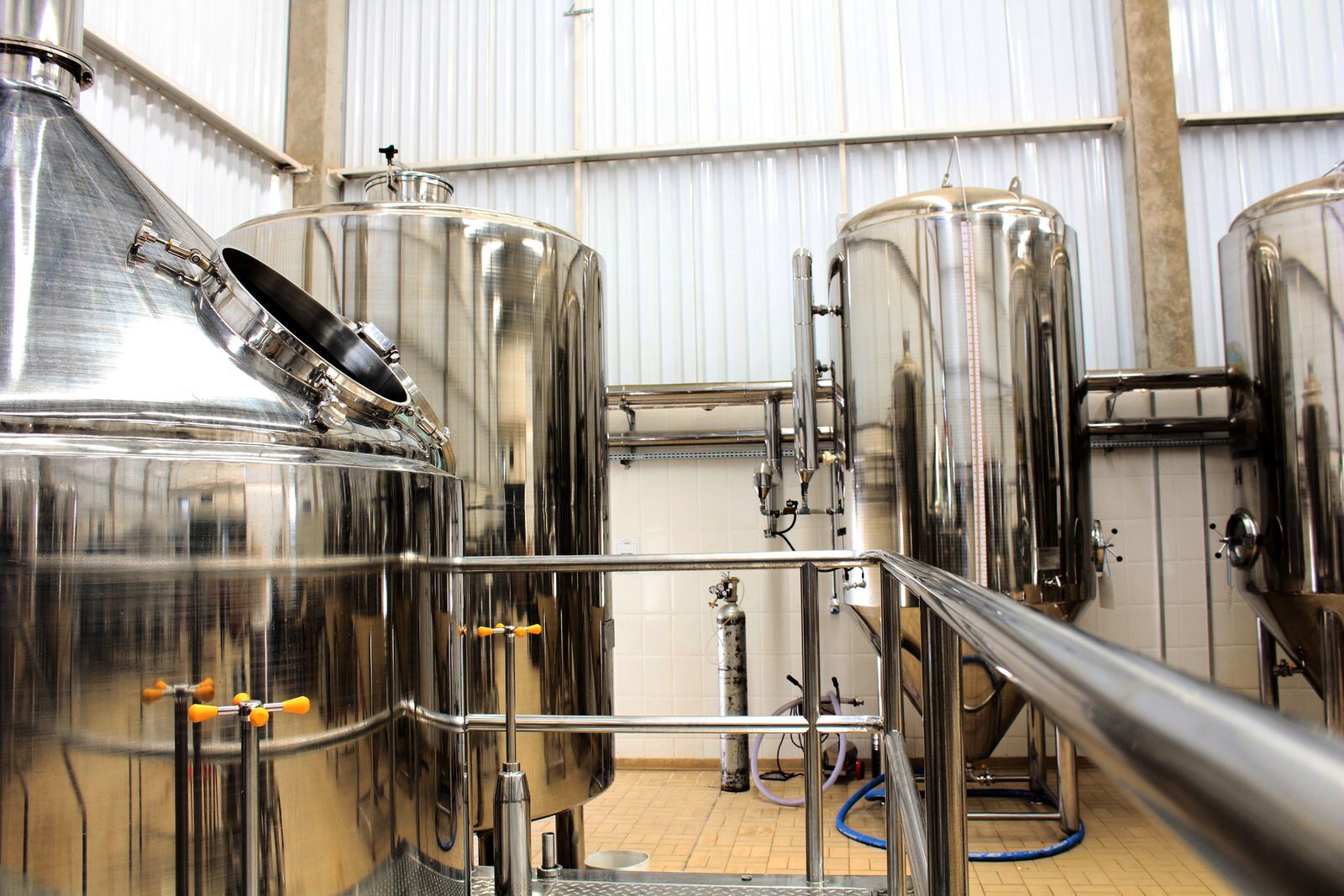
Most of Telford's factories are rented units on one of three estates, and most insolvencies there follow the same shape. A moulder or component maker at Hortonwood, Stafford Park or Halesfield stops production. Its customers may need the mould tools and fixtures that make their parts back quickly, because their own lines have stopped too. The office holder has to hold the site, settle who owns what, sell the plant and hand the unit back.
We act for administrators, liquidators, lenders and landlords. We can attend at short notice to schedule and photograph the plant and log every customer tool in the racks. The sale is an online timed auction, usually in situ, with the vehicle access, the yard and the route out for each heavy lot checked when we first visit. The auction is open to bidders across the UK, with Wolverhampton, Shrewsbury, Stafford and Bridgnorth close at hand for viewing. Use the contact form to describe the appointment.
Mould tools in the racks and who owns them
A moulding shop holds tools worth more to their owners than to anyone else. Most were paid for by the customer and remain the customer's property, some were paid for in part, and a few belong to the company. The tool racks are the first thing we schedule, tool by tool, with the part number and the customer name from the job records, because the office holder may be asked about them quickly and may have a lien for unpaid work.
Release is against a signed receipt once the office holder has agreed terms, and we manage the handover so that a customer's toolmaker collects only what is on the list. The company's own plant then goes into the catalogue. Injection moulding machines, granulators, dryers, chillers, robots and the raw material in the silo and on the pallets are catalogued for moulders across the Midlands and the rest of the UK. Material on retention of title terms is set aside until the supplier's claim is decided.
Selling a whole line to one buyer before the auction opens
Some factories may be worth more together than in pieces. A food processing line, an automated assembly cell or a matched set of moulding machines with the ancillaries around them may attract a trade buyer who wants the lot in place, working, with the drawings and the maintenance records. Where we think that is likely, we tell the office holder at the site visit and offer the line by private treaty for a short, fixed period while the auction catalogue is prepared in the background.
If a buyer comes forward, the office holder gets a single sale with our valuation to measure it against. If not, the auction opens on the planned date with nothing lost. The M54 is minutes away, and the route out for a whole line, the door dimensions, the yard and the lifting required, is recorded on our first visit so a buyer can plan the move and agree a removal date.
What these sales can include
- Machine tools and production lines
- Finished stock and work in progress
- Raw materials and components
- Commercial vehicles and vans
- Plant and site equipment
- Forklift trucks and pallet trucks
- Racking and warehouse fittings
- Office furniture and IT equipment
- Catering and bar equipment
- Fixtures and fittings
- Tooling, spares and consumables
- Shop fittings and displays
How the auction runs
Insolvency assets are usually sold by online timed auction. The catalogue is photographed on site, listed with estimates and opened for bidding for a period agreed with the office holder, usually one to two weeks. A viewing day is held at the premises. Lots are offered as seen under the auction terms, and buyers are expected to inspect before bidding.
Buyers pay the hammer price plus a buyer's premium, with VAT charged where it applies and shown separately on the invoice. Payment is taken before collection. Buyers arrange and pay for the removal of their lots during an agreed collection window, using specialist movers where the weight and dimensions call for them. Our staff supervise collection so the premises are protected and every removal is signed off.
Private treaty is used for individual assets where a direct sale may produce more than the auction, subject to the office holder's approval.
The liquidation and insolvency asset sales page covers who instructs the sale, what an insolvency practitioner needs from us, securing the site, timescales, for directors.
Questions about selling in Telford
- Customers are at the gate wanting their mould tools. Can we hand them over?
Not until the office holder has agreed to it, and then only against our schedule. We photograph and list every tool during our first visit with its part number and the customer it belongs to according to the job records. The office holder checks for unpaid invoices on that customer's work and settles terms. Release is then by appointment, one customer at a time, with a signed receipt for each tool.
- Would the factory fetch more sold as a going concern than at auction?
Sometimes, and the office holder should have a figure to compare. Our written auction valuation gives the break up figure on a forced sale basis. Where the plant forms a working line, we can offer it by private treaty for a fixed period and report every approach. If an offer beats the auction estimate by enough to justify the wait, the office holder can take it. If not, the auction runs as planned. We give an opinion on which route we expect to do better, and we say why.
More questions about insolvency asset sales
Related services
Guides
- What insolvency practitioners need from an auctioneer
For office holders realising physical assets. Covers the instruction letter, the asset schedule and valuation basis, retention of title, finance checks, site security, health and safety during the sale, and the reconciliation you need for the file.