 Britannia Auctions
Liquidation and insolvency asset sales in Wolverhampton
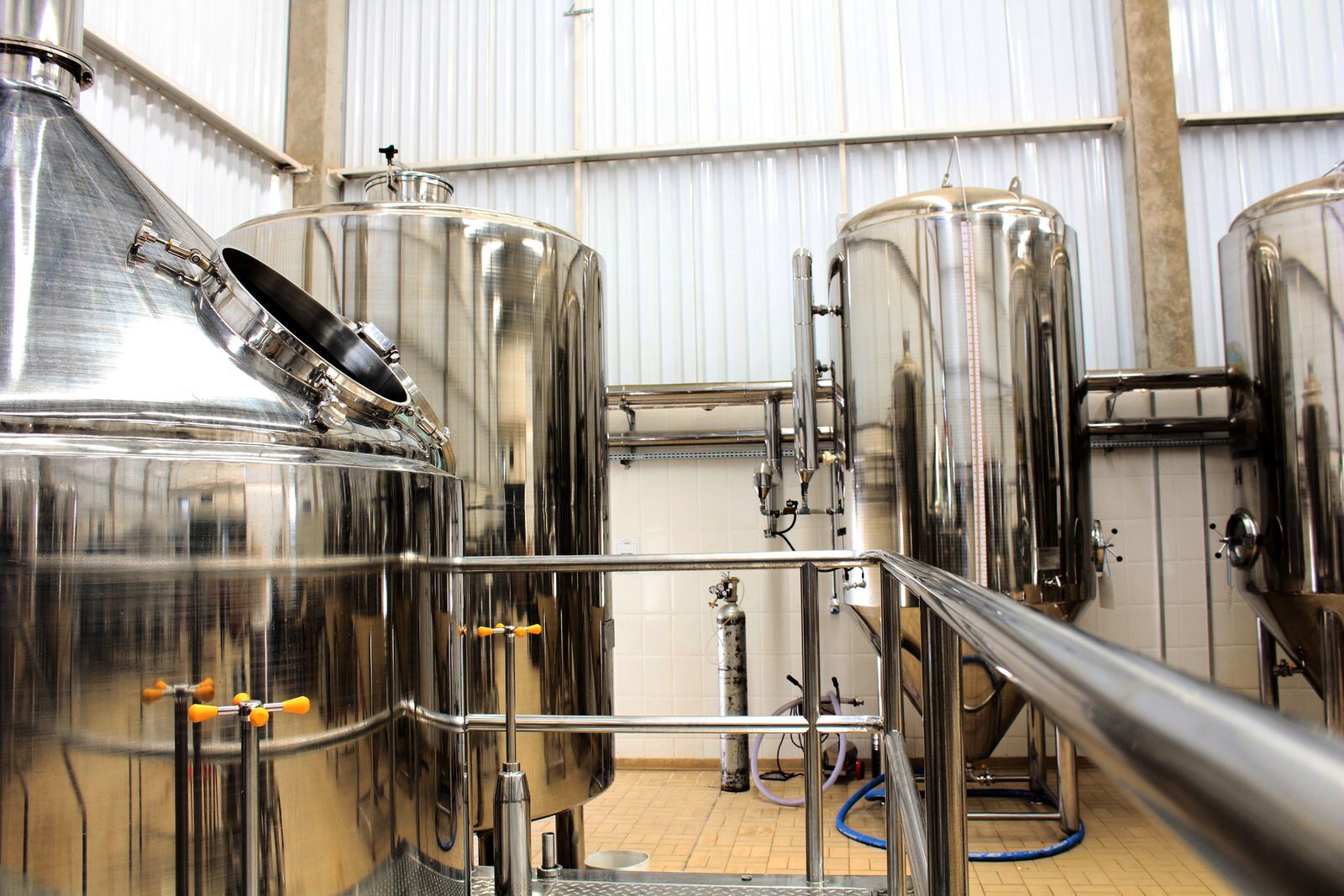
A fabrication or pressings firm in the Black Country tends to occupy an older unit with an overhead crane in the roof, a rack of steel section outside, a yard that was never big enough and a landlord who has been patient for a while. When the company fails, the administrator or liquidator inherits all of that at once, and so does the landlord who may be entitled to take the unit back.
We act for the office holder, the lender or the landlord, whichever has the right to sell. The first visit at Bilston or Willenhall produces a schedule of every machine with photographs and serial numbers, a written opinion of value, a note of what is fixed to the building and what is free standing and a plain statement of how the heavy items will get out. Tell us about the appointment through the contact form.
Fabrication shops with cranes in the roof
Welding sets, press brakes, guillotines, plate rolls, saws and drilling machines from a failed fabricator go into the catalogue individually, and the Black Country fabrication trade at Walsall, Dudley, West Bromwich and Cannock is close enough to view before bidding. The rest of the bidding is online. The crane is the item that needs thought. An overhead travelling crane is often the most valuable single asset in the building, and whether it is the company's or the landlord's depends on the lease and on who paid for it.
We describe the crane, its capacity, span, hook height and the maker's plate, and ask the office holder to settle ownership before the catalogue is written. If it is to be sold, we offer it in situ with removal by the buyer's specialist contractor under a method statement, or offer it to the landlord at our written valuation first, since a landlord reletting a fabrication unit often prefers the crane to stay.
When the landlord takes the unit back
Many of the smaller units on the Planetary and Strawberry Lane estates are held on short leases from private landlords. A landlord who has forfeited the lease can instruct us to sell what has been left behind, once their own advisers have confirmed the right to do so, and a landlord who simply wants the unit empty can work with the office holder to agree a timetable. We take instructions from either, but only from the party with the legal right to sell.
Access is the other consideration, and it is measured rather than assumed. At the first visit we record the vehicle route, the turning space, the yard and the loading door on the estate in question, and collection slots are then booked by vehicle size to suit what the site can take. Where the site cannot take the vehicles at all, the assets can be moved to our own premises and the unit handed back sooner.
What these sales can include
- Machine tools and production lines
- Finished stock and work in progress
- Raw materials and components
- Commercial vehicles and vans
- Plant and site equipment
- Forklift trucks and pallet trucks
- Racking and warehouse fittings
- Office furniture and IT equipment
- Catering and bar equipment
- Fixtures and fittings
- Tooling, spares and consumables
- Shop fittings and displays
How the auction runs
Insolvency assets are usually sold by online timed auction. The catalogue is photographed on site, listed with estimates and opened for bidding for a period agreed with the office holder, usually one to two weeks. A viewing day is held at the premises. Lots are offered as seen under the auction terms, and buyers are expected to inspect before bidding.
Buyers pay the hammer price plus a buyer's premium, with VAT charged where it applies and shown separately on the invoice. Payment is taken before collection. Buyers arrange and pay for the removal of their lots during an agreed collection window, using specialist movers where the weight and dimensions call for them. Our staff supervise collection so the premises are protected and every removal is signed off.
Private treaty is used for individual assets where a direct sale may produce more than the auction, subject to the office holder's approval.
The liquidation and insolvency asset sales page covers who instructs the sale, what an insolvency practitioner needs from us, securing the site, timescales, for directors.
Questions about selling in Wolverhampton
- The overhead crane is the most valuable thing in the unit. Can it be sold?
Usually, but the first question is whose it is. If the company installed it and the lease does not make it a landlord's fixture, it is a company asset and can be sold. We photograph the crane, its rails, the controls and the maker's plate and give the office holder a written value. It is then sold in situ, with the buyer removing it under a method statement at their own cost, or offered to the landlord first if they want the unit relet with the crane in place.
- The estate road is narrow and the yard is small. How is collection handled?
Collection is planned around what the road and the yard can take, which we measure when we first visit and put in the catalogue. Buyers arrange and cover the cost of the removal of their lots, and slots are booked by vehicle size so that one vehicle works at a time. Where an item cannot be taken out that way, it can be moved to our own premises before the sale, so buyers collect from a yard with room and the unit goes back sooner.
More questions about insolvency asset sales
Related services
Guides
- What insolvency practitioners need from an auctioneer
For office holders realising physical assets. Covers the instruction letter, the asset schedule and valuation basis, retention of title, finance checks, site security, health and safety during the sale, and the reconciliation you need for the file.