 Britannia Auctions
Catering and hospitality equipment auctions in Manchester
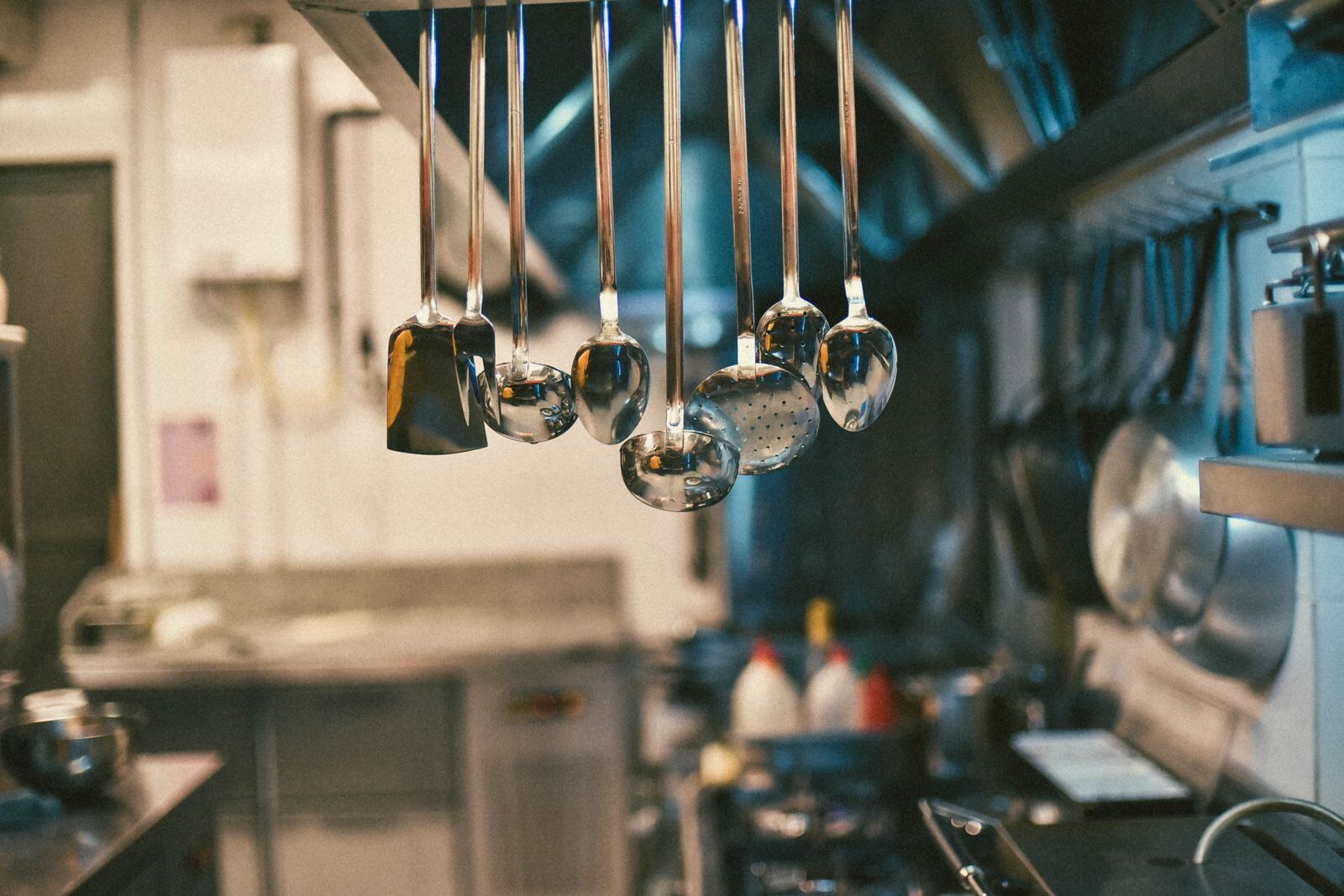
A kitchen on the third floor of a converted warehouse is a rigging job before it is a catering sale. That is the Manchester problem. Much of the city's restaurant and bar trade sits in old textile buildings and railway arches, where the kitchen went in through a goods lift or a window and has to come out the same way. The equipment itself is often good, because the fit outs were expensive, but the access decides how the sale is run.
Away from the centre the picture changes. Food and drink manufacturers on Trafford Park and in the east of the city run staff canteens and development kitchens, and when a plant closes or a caterer's contract ends, there is a kitchen to sell with a loading bay next to it. We handle both kinds. Use the form to tell us where the kitchen is, what floor it is on and when it has to be out.
Getting a kitchen out of a mill
Before we catalogue a city centre kitchen we walk the route out. Is there a goods lift, and does it still work? How wide is the stairwell? Does the yard open onto a street with a loading restriction? How a combination oven on a stand comes down depends on its weight, the stairwell and the handling equipment or specialist help the route needs. A walk in cold room is sold as panels for the buyer to take apart, and extraction canopies are cut into sections.
Once we know the answers we write them into the listing. Buyers then bid with their eyes open, and collection day runs to a plan rather than an argument. Where the building defeats trade collection, the kitchen can be brought to our own premises and sold from there instead.
The auction is online and open to bidders well beyond the area, and the trade across the conurbation, in Salford, Stockport, Bolton and Oldham, is within a comfortable drive of the viewing day.
Canteens and test kitchens on the estates
Food and drink firms keep two kinds of kitchen. The staff canteen has a hot cupboard run, a serve over counter, a bulk dishwasher and a few upright fridges. The development kitchen is smaller and often better, with a combination oven, a blast chiller, an induction hob and a set of stainless steel benches that have hardly been used. Both come to market when a plant on Trafford Park or in Openshaw closes, or when the production moves elsewhere and the site is handed back.
Collection from an estate is usually simpler. We check what the yard will take, whether a forklift will be available and how the lots can be palletised, and put that in the catalogue. Rochdale, Bury, Wigan and Warrington are within a comfortable drive of the viewing day.
We usually sell canteen equipment as part of a wider site sale alongside the plant, but we will run it on its own if the caterer's contract ends before the rest of the site does.
What these sales can include
- Cooking ranges and ovens
- Combination ovens
- Fryers and griddles
- Cold rooms and walk in freezers
- Upright and under counter refrigeration
- Display and serve over counters
- Dishwashers and glasswashers
- Ice machines
- Espresso machines and grinders
- Stainless steel tables and sinks
- Extraction canopies
- Bar equipment and beer coolers
- Tables, chairs and banquette seating
- Tills and till systems
How the sale runs
We visit, agree what is in the sale and catalogue it. Each lot is photographed and described as it stands, with known faults noted. The sale is listed online and marketed to operators and dealers across the UK. Buyers view on a set day and bid online, with lots closing in sequence on the sale date.
Lots are offered as seen under the auction terms, and buyers are expected to inspect before bidding. The buyer pays the hammer price plus a buyer's premium, with VAT charged where it applies and shown separately. We take payment before anything is released.
Collection follows over a window agreed with you. Buyers arrange and pay for removal, and our staff attend so that services are dealt with correctly and the premises are left as agreed with the landlord.
The catering and hospitality equipment auctions page covers what a catering sale looks like, disconnecting services and extraction, what your lease allows you to sell, clean it, label it, leave it working.
Questions about selling in Manchester
- The restaurant is in a railway arch with no yard. Is it worth selling or should we skip it?
It is usually worth selling. A fit out in an arch or a basement was expensive to put in, and what the cooking equipment makes depends on its condition and specification rather than on the building. The question is how it comes out. If the doorway and the route take the range safely, we sell from the premises and buyers collect early, before the street gets busy. If not, the lots can be moved to our own premises for sale. Either way the unit ends up empty.
- We have a bar and a restaurant in one unit with two different leases. Can you sell both together?
Yes, one auction can cover both, and it usually should, because the buyers for the bar and the kitchen overlap. We catalogue the two areas separately so the lots are easy to follow, and we note which lease each fixture sits under. If the two leases end on different dates, we time the sale to the earlier one and hold the second set of lots on site until its collection day. Tell us both dates when you get in touch.
More questions about catering equipment