 Britannia Auctions
Collective auctions and single item consignments in Sunderland
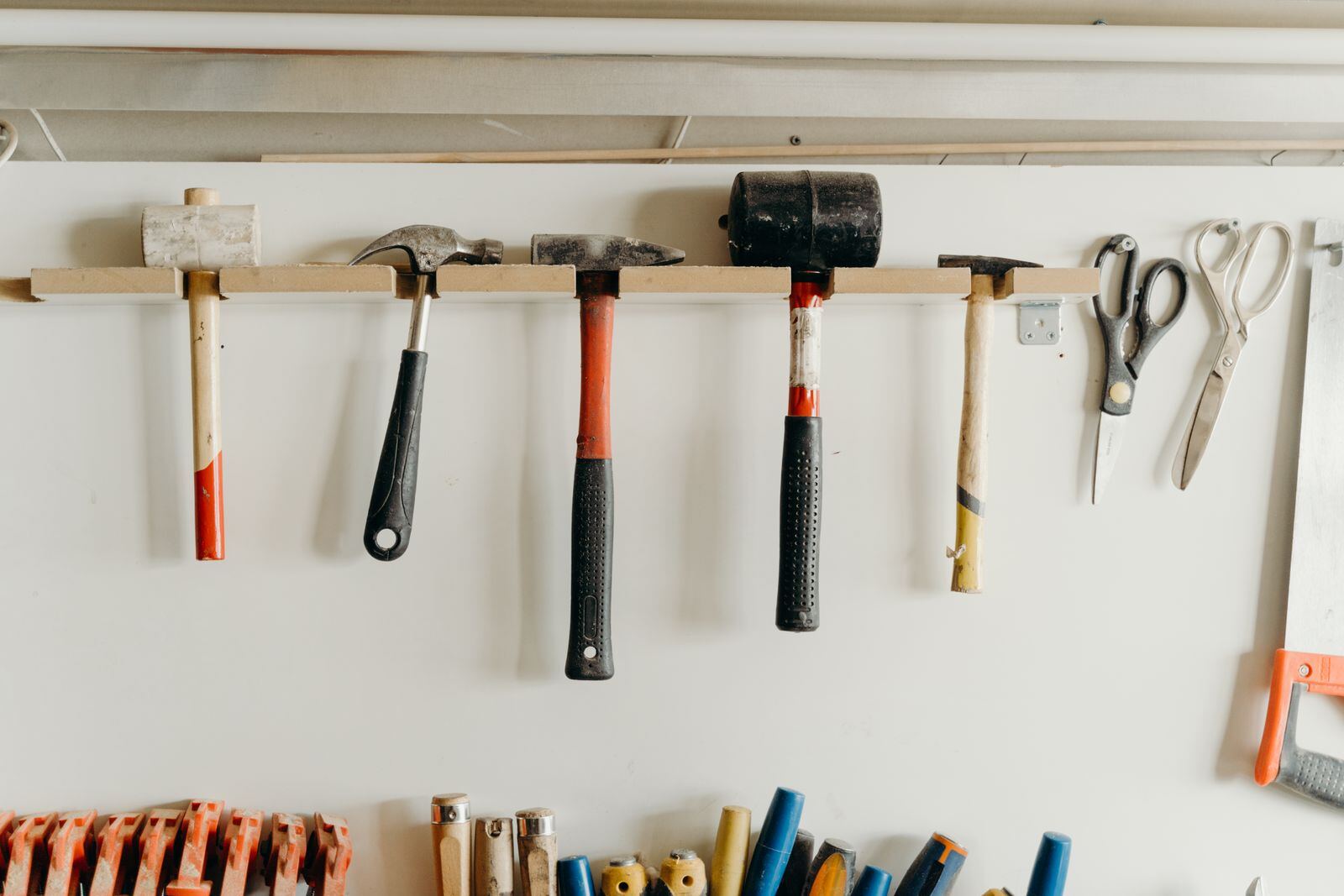
Car plants run on model cycles, and every changeover leaves the supply chain with kit it no longer needs. A pressings firm on the Pattinson estate finishes a contract and has a coil handling line it will not use again. A trim supplier at North Hylton replaces a sewing bench. An automation contractor swaps out a robot cell and keeps the old controller on a pallet for a year before admitting it is surplus. None of this fills a sale on its own.
We put lots like these into a collective auction. Your machine sits in one online catalogue alongside lots from other vendors, identified by number only, and the bidding runs for a week or two. Buyers pay us and collect in a fixed window, and we account to you after cleared funds.
Tell us what the item is, where it stands and whether it is still wired in. That decides the plan.
Changeover kit from the supply chain estates
The tier one and tier two firms around Washington are the main source of single lots here. Presses, moulding machines, welding cells, conveyors and test rigs are bought for a programme and outlive it. When the next programme needs different tooling, the old machine is a cost on the floor.
The same is true of the maintenance and automation contractors on Rainton Bridge and the Enterprise Park. They carry a stock of drives, motors, compressors and hand tools that builds up across projects, and every few years someone clears the mezzanine. Grouped into sensible lots, that stock can be catalogued and sold.
The trades that use this equipment run from Houghton-le-Spring to Peterlee and across the river in Gateshead and South Shields, all within reach of a viewing day. Bidding runs online and is open to the whole of the UK. What a moulding machine or a press makes depends on its specification, its hours, its condition and what removal will cost.
What a heavy single lot needs before it moves
The Washington and Hylton estates have flat, wide roads laid out for articulated lorries, and many units there have a forklift on site. That often keeps the cost of moving one machine down, but we check the individual site rather than assume: the approach and turning space, the door dimensions, the floor levels and what handling equipment is available. What we find goes in the catalogue so buyers know what removal involves.
From there you have a choice. The lot can be collected and sold from our premises where that is agreed, with a set viewing day and staff on hand for collection. A machine that is very heavy or still bolted down can be catalogued where it stands, isolated by a competent person, and collected once by the buyer after the sale on a day you agree.
Vans and pickups from the logistics firms near the A19 are the simplest lot of all. We photograph, list and sell them, and the buyer drives away.
What these sales can include
- Single machine tools
- Individual vans and pickups
- Compressors and generators
- Welding equipment
- Woodworking machines
- Hand tools and power tools
- Office furniture and IT equipment
- Catering equipment from a single kitchen
- Small plant and attachments
- Garden and grounds machinery
- Trailers
- Workshop consumables and stock
How a collective sale works
A collective auction is a regular online timed sale made up of lots from many vendors. Each vendor's lots are identified in the catalogue by lot number only. Buyers see one catalogue and bid across it, so a small consignment sits in the same sale as the larger ones.
Your lots are photographed and listed alongside the others. Bidding runs online, with lots closing in sequence on the sale date. Each lot is offered as seen under the auction terms, with buyers expected to inspect before bidding. The buyer pays the hammer price plus a buyer's premium, with VAT charged where it applies and shown separately.
After the sale, buyers pay and collect within the collection window. We account to you from cleared funds once it has closed and the sale is reconciled, less the agreed commission and any agreed costs.
The collective auctions and single item consignments page covers minimum viable value, at our premises or at yours, what to bring and what to tell us, timescales and unsold lots.
Questions about selling in Sunderland
- We are a tier two supplier at Pattinson with one moulding machine we no longer need. Does it go in a collective sale?
Yes, and that is the usual route for one machine. We ask for the make, tonnage, year and hours, photographs and a note of any faults, then give you our opinion on likely interest and value and say which sale it suits. A machine on finance stays with the funder until the agreement is settled and can only be sold with their agreement. A reserve can be set. The machine either comes to our premises or sells in place, and the buyer collects in the agreed window.
- Can workshop tooling from an automation job go in the same sale as a van?
It can. A collective sale is mixed by design, so a van, a pallet of drives and a box of hand tools from the same contractor sit in the same catalogue under different lot numbers, each described on its own. The trades that bid on a van are not the trades that bid on drives, which is the point of separate lot numbers. One consignment, one collection window and one statement covering all of it.
More questions about single items and small lots
Related services
Guides
- How a commercial asset auction works
A stage by stage account of an online timed auction for business assets. It covers the asset schedule, cataloguing, viewing days, how bidding closes, buyer's premium and VAT, collection and how you get paid.
- What happens to unsold lots
Not every lot sells, but the site still has to be cleared. This guide covers why lots go unsold, private treaty after the sale, lowering or removing the reserve, a later sale, scrap and WEEE recycling, and what disposal costs.