 Britannia Auctions
Liquidation and insolvency asset sales in Edinburgh
Edinburgh's insolvencies are mostly about the businesses that keep the city running, not heavy industry. A food producer at Sighthill with production kitchens and chillers. A plant hire firm at Newbridge with a yard of diggers and site accommodation. A vehicle workshop in an older unit at Seafield. A printer with presses and finishing equipment in a leased unit that the landlord wants back. The assets are the kind a general catalogue reaches, and the question for the office holder is often about timing rather than route.
We act for administrators, liquidators, lenders and landlords across the city and Lothian. The first visit produces a schedule with photographs and serial numbers, a written opinion of value and a list of everything on finance. Sales run as online timed auctions with a viewing day on site, or from our own premises where the unit must be cleared. The auction is online and open to the whole UK, with Livingston, Dalkeith, Dunfermline and Bathgate inside a short drive of the viewing. Use the contact form to describe the appointment.
Valuing the assets while a buyer for the business is sought
An administrator often wants to sell the business as a going concern before considering a break up, and needs to know what the assets would fetch at auction so that any offer can be measured against it. We provide that figure at the site visit, in writing, without disturbing the business. The schedule is prepared quietly and the catalogue is drafted in the background but not published. The valuation is on a forced sale basis.
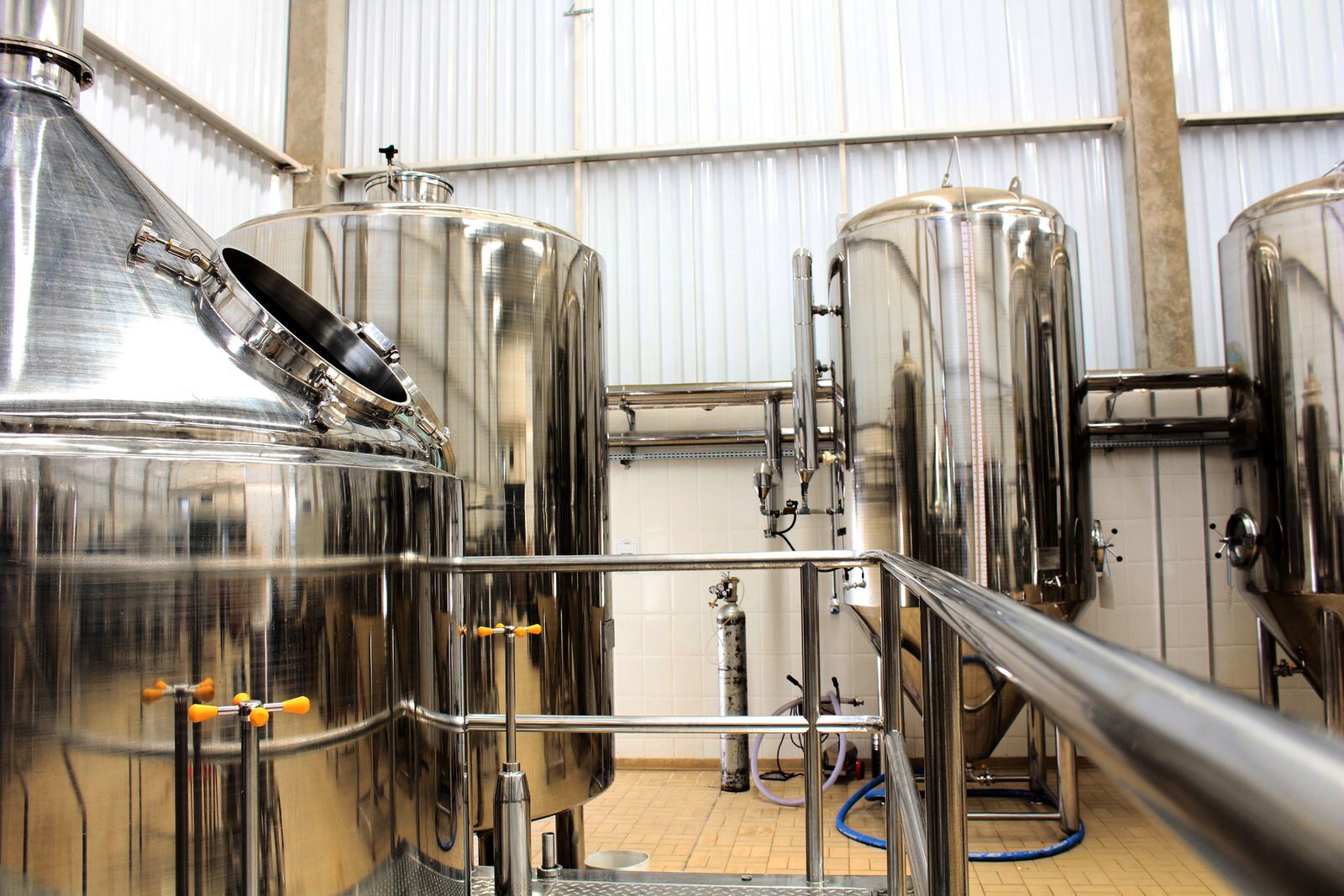
If a buyer for the business is found, the schedule supports the sale agreement and our work stops there. If no buyer is found, or the buyer wants only part of the assets, the catalogue can go live quickly, with the timing set by how many lots there are and the access, and the remainder is sold by online timed auction. A production kitchen or a print room sold this way is offered with the plant still in place, and machines that can safely be run stay connected for the viewing day so they can be demonstrated, which is harder to arrange once equipment has been stripped and stored.
Older units at Leith and estates by the bypass
Where the assets sit changes how the sale is run, so access is measured before the route is chosen. At the first visit we look at the vehicle route and turning space, the loading door, the floor levels, whether the yard is shared and what each heavy item needs to come out. On the western estates at Sighthill and Newbridge, close to the M8 and the bypass, that often supports a sale in situ with an agreed collection window. Around Seafield and the port at Leith the older units can be tighter, and a lift from the street may need a permit from the council.
We look at that when we first visit and put it in the report. Where access is poor or the lease is short, the smaller lots are collected and sold from our own premises, and only the heavy items are left in situ with a fixed removal date.
What these sales can include
- Machine tools and production lines
- Finished stock and work in progress
- Raw materials and components
- Commercial vehicles and vans
- Plant and site equipment
- Forklift trucks and pallet trucks
- Racking and warehouse fittings
- Office furniture and IT equipment
- Catering and bar equipment
- Fixtures and fittings
- Tooling, spares and consumables
- Shop fittings and displays
How the auction runs
Insolvency assets are usually sold by online timed auction. The catalogue is photographed on site, listed with estimates and opened for bidding for a period agreed with the office holder, usually one to two weeks. A viewing day is held at the premises. Lots are offered as seen under the auction terms, and buyers are expected to inspect before bidding.
Buyers pay the hammer price plus a buyer's premium, with VAT charged where it applies and shown separately on the invoice. Payment is taken before collection. Buyers arrange and pay for the removal of their lots during an agreed collection window, using specialist movers where the weight and dimensions call for them. Our staff supervise collection so the premises are protected and every removal is signed off.
Private treaty is used for individual assets where a direct sale may produce more than the auction, subject to the office holder's approval.
The liquidation and insolvency asset sales page covers who instructs the sale, what an insolvency practitioner needs from us, securing the site, timescales, for directors.
Questions about selling in Edinburgh
- An offer has come in for the whole business. Do you still need to value the assets?
Yes, in most appointments. The office holder has to show creditors that the price for the business was at least what the assets would have made on a break up, and a written auction valuation from an independent auctioneer is the usual way to do that. We prepare it from a single visit without interrupting trading. If the offer is accepted the work stops at the valuation, on the terms agreed in writing beforehand. If it falls through the catalogue is ready and the sale can open quickly.
- The plant hire kit is out on building sites all over Lothian. How do you get it back?
From the hire records. We take the hire register and the tracker data when we walk the site, list every machine with its last known site, and contact each site to arrange its return or its collection. Machines on finance are reported to the lender. Everything is brought to one yard, usually the company's own at Newbridge or wherever the main site is, and photographed for the catalogue there. Buyers then view and collect from one place, which is easier for everyone.
More questions about insolvency asset sales
Related services
Guides
- What insolvency practitioners need from an auctioneer
For office holders realising physical assets. Covers the instruction letter, the asset schedule and valuation basis, retention of title, finance checks, site security, health and safety during the sale, and the reconciliation you need for the file.