 Britannia Auctions
Liquidation and insolvency asset sales in London
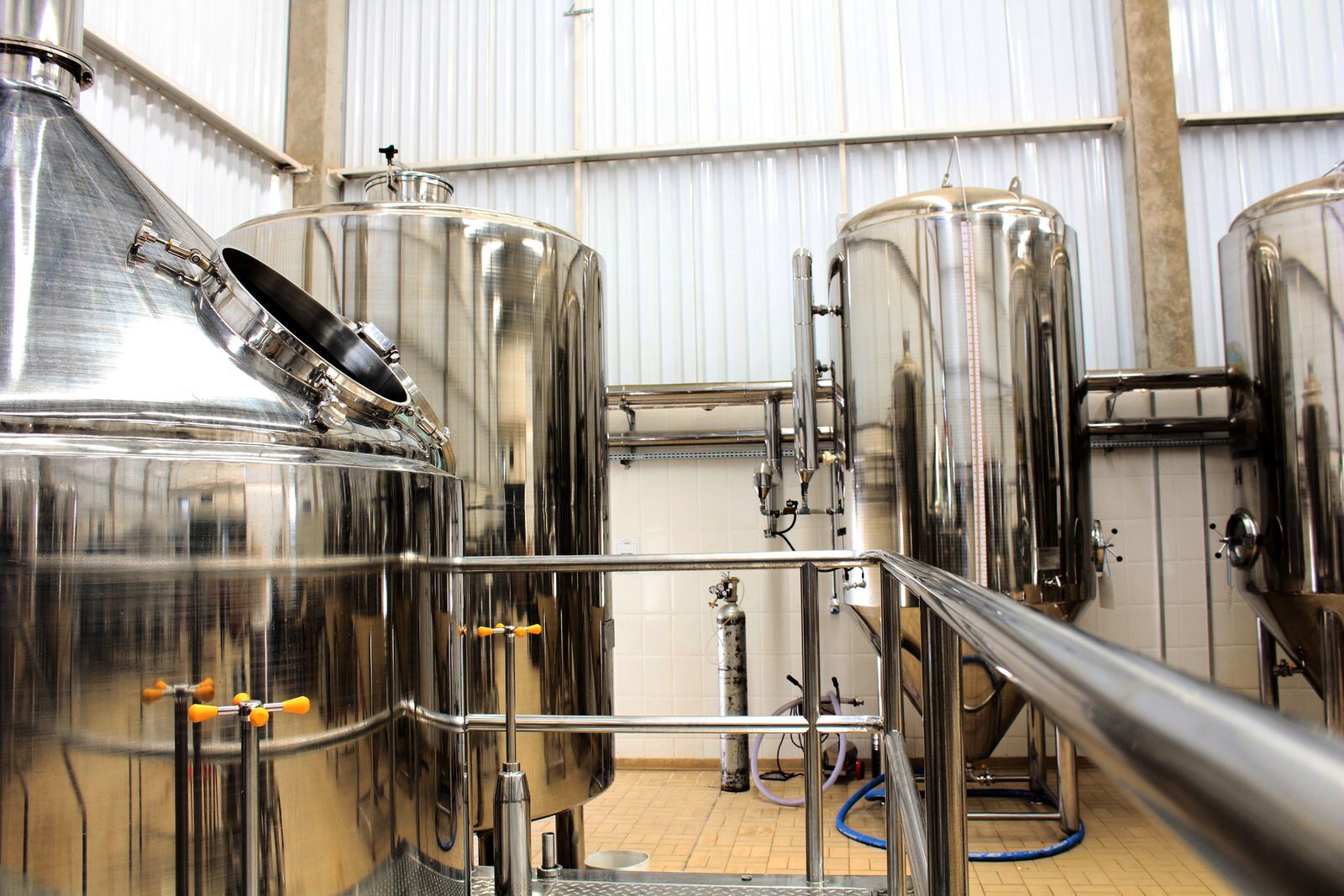
In London the rent runs the timetable. Rents at Park Royal are among the highest a small producer or printer will pay, so the office holder is under pressure from the first day to stop the rent and hand back the keys. The assets have to be scheduled, secured, sold and collected inside that window, or moved out of it.
We act for administrators, liquidators, lenders and landlords across the outer boroughs. The first visit produces a schedule with photographs and serial numbers, a written opinion of value and a list of finance and third party property. It also produces a plan for the building, which in this city is as important as the plan for the assets. Bidding is online and open nationally, and Croydon, Romford, Watford and Slough are near enough for a viewing day. Use the contact form to describe the appointment and the lease position.
Rent, rates and the pressure to clear a unit fast
Two dates matter. The rent quarter day and any date the landlord has set for the keys. We work back from whichever comes first. Where there is time, the sale runs from the unit as an online timed auction with a viewing day and a collection window agreed with the office holder, who hands back an empty building on the date set. Where there is not, the assets can be collected over a short agreed period and sold from our own premises, and the rent stops.
The plant from a Park Royal food producer or printer is worth cataloguing for a national audience. Ovens, mixers, packing lines, cold rooms and stainless benches are of interest to food firms across the UK, and presses, guillotines, folders and finishing equipment to printers, most of whom can bid online from the photographs and the descriptions. Bolted down plant, cold rooms, mezzanines and extraction are sold with a method statement condition or, where the landlord wants them left, taken out of the catalogue and noted in the report.
Lorry rules, tight streets and how collection is planned
Collection in London is a job in itself. Lorries entering the capital must meet the Low Emission Zone and Direct Vision Standard rules, which rules out some of the older vehicles that trade buyers would otherwise turn up in. Some estates in Brimsdown, Charlton and along the A13 restrict the hours for large vehicles, and the waiting space is one of the things we check on our first visit.
We deal with this by booking collection in slots. Each buyer is given a time and told what vehicle the site can accept. Heavy plant is collected on days when the site can be closed to other traffic, with our staff present to release the lots. Where the site cannot take a large vehicle at all, the plant is moved to our own premises on a vehicle we book ourselves and collected from there.
What these sales can include
- Machine tools and production lines
- Finished stock and work in progress
- Raw materials and components
- Commercial vehicles and vans
- Plant and site equipment
- Forklift trucks and pallet trucks
- Racking and warehouse fittings
- Office furniture and IT equipment
- Catering and bar equipment
- Fixtures and fittings
- Tooling, spares and consumables
- Shop fittings and displays
How the auction runs
Insolvency assets are usually sold by online timed auction. The catalogue is photographed on site, listed with estimates and opened for bidding for a period agreed with the office holder, usually one to two weeks. A viewing day is held at the premises. Lots are offered as seen under the auction terms, and buyers are expected to inspect before bidding.
Buyers pay the hammer price plus a buyer's premium, with VAT charged where it applies and shown separately on the invoice. Payment is taken before collection. Buyers arrange and pay for the removal of their lots during an agreed collection window, using specialist movers where the weight and dimensions call for them. Our staff supervise collection so the premises are protected and every removal is signed off.
Private treaty is used for individual assets where a direct sale may produce more than the auction, subject to the office holder's approval.
The liquidation and insolvency asset sales page covers who instructs the sale, what an insolvency practitioner needs from us, securing the site, timescales, for directors.
Questions about selling in London
- The landlord has forfeited the lease and changed the locks. Can the sale still happen?
Usually, with the landlord's cooperation. The assets inside still belong to the company and the landlord cannot sell them, but the landlord controls access. We speak to the landlord or the landlord's agent on the first day and agree a short period of access for viewing and collection, or a single day to remove everything to our own premises. A plan with dates on it is usually what a landlord needs before agreeing access, because it gets the unit cleared sooner.
- Our buyers' lorries may not meet the London rules. Does that reduce the price?
It need not, if the sale is planned for it. The catalogue tells buyers what the site can take and which zone rules apply, so they turn up with a compliant vehicle or hire one. Where the site is very tight, we move the lots to our own premises and buyers collect from there without the rules being a factor. Online bidding opens the sale to the whole of the UK, so the catalogue is not limited to buyers who can get a lorry to the door.
More questions about insolvency asset sales
Related services
Guides
- What insolvency practitioners need from an auctioneer
For office holders realising physical assets. Covers the instruction letter, the asset schedule and valuation basis, retention of title, finance checks, site security, health and safety during the sale, and the reconciliation you need for the file.