 Britannia Auctions
Liquidation and insolvency asset sales in Newcastle upon Tyne
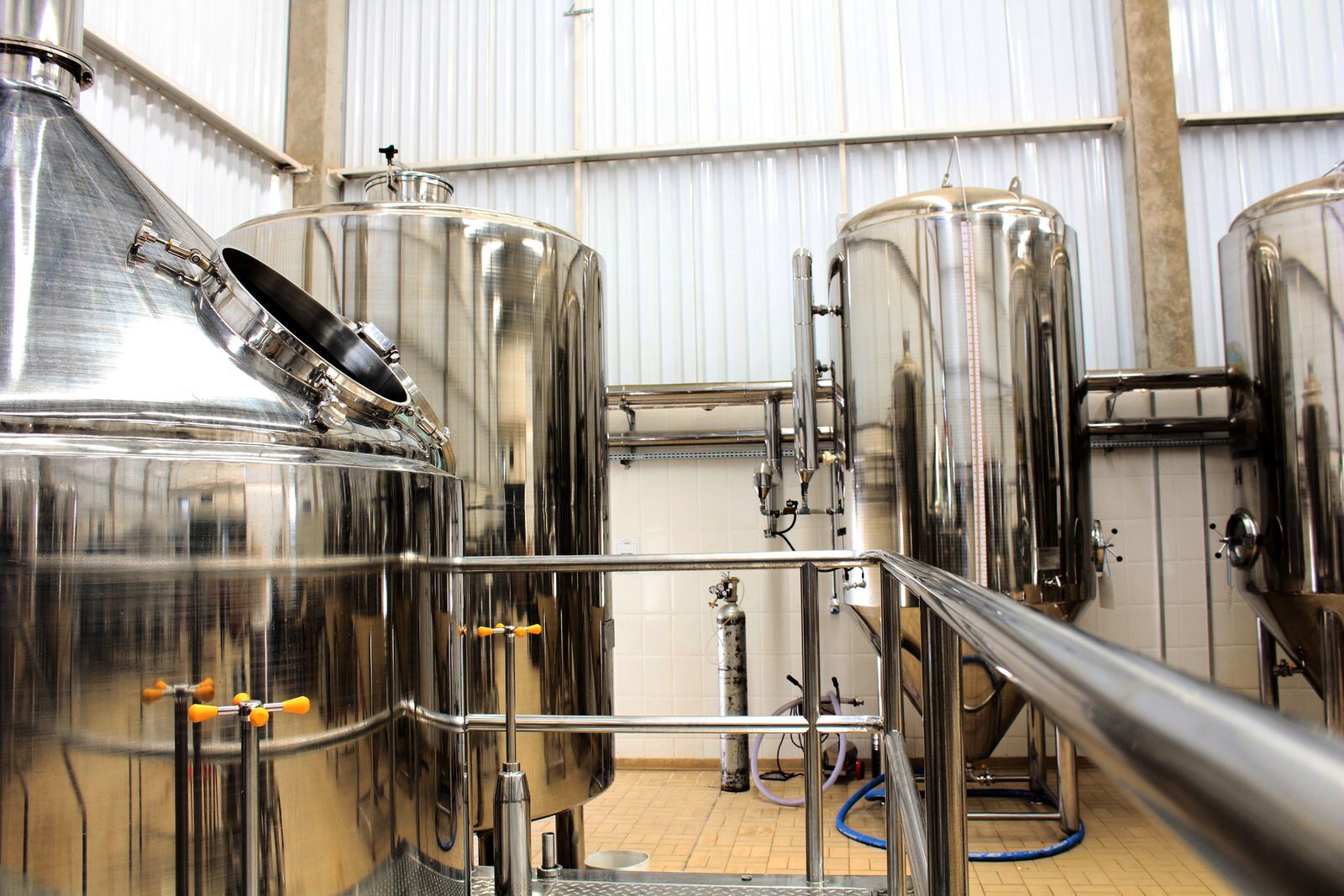
The offshore and subsea firms on the Tyne fail in a particular way. A contract ends, the next one is delayed, and a business at Walker or Newburn with a fabrication bay, a machine shop, a test tank and a store of specialist equipment enters administration with assets that few people can use. Alongside them, the city's plant hire, construction, printing and distribution businesses fail in the ordinary way, with vans, plant, racking and stock that a general catalogue reaches.
We take instructions from administrators, liquidators, lenders and landlords across both kinds of job. The first visit produces a schedule with photographs and serial numbers, a written opinion of value, a list of anything on finance and a view on route, which for a Walker riverside site may mean online auction for the general plant and private treaty for the equipment with a narrow market. Use the contact form to tell us about the appointment.
Subsea and fabrication kit with a narrow market
A general auction suits the welding sets, plate rolls, cranes, machine tools and vans in a marine engineering business, and the fabrication trade at Gateshead, Wallsend, Blyth and across Team Valley is well placed to attend the viewing. It works less well for the ROV components, umbilical handling systems, pressure test vessels and survey equipment that sit in the same building. There may be only a handful of likely buyers for those, and some of them will be overseas.
So we run two routes under one instruction. The general plant goes into an online timed auction with a viewing day at the works. The specialist equipment is scheduled and photographed in the same way, but we approach the likely buyers directly with a written offer process, and report the offers to the office holder for a decision. The office holder gets one schedule, one set of reports, one settlement and one point of contact.
Heavy lifts off the riverside at Walker
Large fabrications, test tanks, press brakes and machine tools from a riverside works do not leave on a forklift. The older buildings at Walker were laid out for cranes and the river rather than for lorries at the front door, so the route out is measured before anything is priced. We look at every heavy lot at the site visit and record what its removal depends on, the weight and dimensions, the door, the floor and whether lifting equipment or a specialist contractor is needed, and the catalogue repeats it so buyers price it in.
Where the site has to be handed back before the sale can complete, or where the landlord wants vehicles and small plant gone, we move those items to our own premises and sell from there, and leave the heavy items in situ for a fixed removal date. At Newburn Riverside and the estates off the A1 Western Bypass the same checks are made and the findings written into the catalogue.
What these sales can include
- Machine tools and production lines
- Finished stock and work in progress
- Raw materials and components
- Commercial vehicles and vans
- Plant and site equipment
- Forklift trucks and pallet trucks
- Racking and warehouse fittings
- Office furniture and IT equipment
- Catering and bar equipment
- Fixtures and fittings
- Tooling, spares and consumables
- Shop fittings and displays
How the auction runs
Insolvency assets are usually sold by online timed auction. The catalogue is photographed on site, listed with estimates and opened for bidding for a period agreed with the office holder, usually one to two weeks. A viewing day is held at the premises. Lots are offered as seen under the auction terms, and buyers are expected to inspect before bidding.
Buyers pay the hammer price plus a buyer's premium, with VAT charged where it applies and shown separately on the invoice. Payment is taken before collection. Buyers arrange and pay for the removal of their lots during an agreed collection window, using specialist movers where the weight and dimensions call for them. Our staff supervise collection so the premises are protected and every removal is signed off.
Private treaty is used for individual assets where a direct sale may produce more than the auction, subject to the office holder's approval.
The liquidation and insolvency asset sales page covers who instructs the sale, what an insolvency practitioner needs from us, securing the site, timescales, for directors.
Questions about selling in Newcastle upon Tyne
- The subsea equipment has only a handful of likely buyers. Is auction still the right route?
Not on its own. An online auction reaches a wide audience for the general plant, and it should be used for that. Equipment with a narrow market is usually better offered to the likely buyers directly, in writing, with the office holder deciding which offer to accept. We run both under the same instruction and report both in the same way, so the office holder can show creditors the specialist items were offered to the people who could actually use them.
- The fabrication bay has items too heavy for a forklift. How is collection handled?
Under a method statement, one lift at a time. At the first visit we identify every item that needs lifting equipment or a specialist contractor and note the access to it. Buyers are told in the catalogue that they bear the cost of removal and must use a contractor we approve. Collection slots are booked so only one heavy lift is under way at a time, with our staff present throughout. The office holder receives a record of what left and when.
More questions about insolvency asset sales
Related services
Guides
- What insolvency practitioners need from an auctioneer
For office holders realising physical assets. Covers the instruction letter, the asset schedule and valuation basis, retention of title, finance checks, site security, health and safety during the sale, and the reconciliation you need for the file.