 Britannia Auctions
Plant and construction equipment auctions in Plymouth
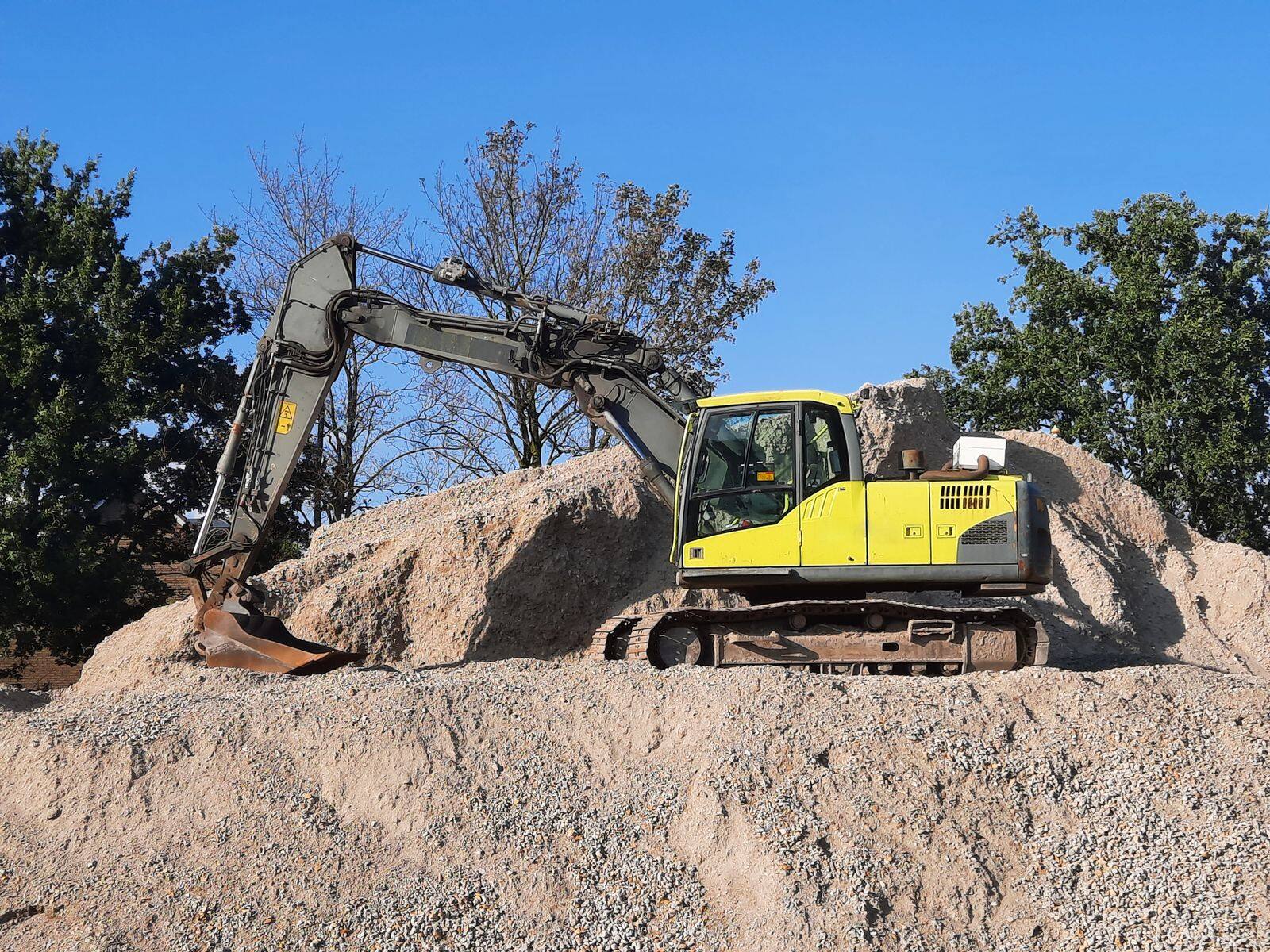
Some of the plant we sell in Plymouth stands a hundred yards from the water behind a gate that has to be measured before anything is listed. Boat builders, ship repairers, fishing businesses and marine engineers along the waterfront and the Tamar run telehandlers, compressors, generators and access platforms, and their yards were laid out for boats rather than for step frames. That site check is the first job, and it is why we visit before we quote.
Inland the picture is more ordinary. Contractors on the Estover and Langage estates run the usual excavators, dumpers, rollers and cabins for the housing and industrial work across the city, and those yards are checked in the same way.
Both kinds sell by online timed auction, with the collection arrangement for each lot stated in the catalogue. Use the contact form to tell us what you have and where it is.
A site check before anything is listed
A waterfront yard has its own rules. Slipways, tight bends, gates and neighbours who need the road are all part of it, and a loaded low loader that cannot turn is a problem for everyone. So we walk the route out before the catalogue is written and agree what each machine needs, which may be a smaller rigid vehicle rather than an articulated trailer, or a tracked machine walked to a hard standing on the main road with ground protection down. Where neither works, we can collect the plant and sell it from our own premises, and we will say so.
Whatever is agreed goes into the catalogue against each lot, so a buyer knows before bidding what vehicle the machine needs.
Marine plant often comes with inspection records. LOLER certificates for telehandlers and access platforms go in the catalogue as photographs, because a bidder prices on the evidence in front of them.
Reach across Devon and Cornwall
Plymouth is the last big town before Cornwall, and a catalogue here is within reach of both counties. Saltash and Liskeard are over the Tamar Bridge, Torpoint is across the water, Ivybridge and Totnes are along the A38, Tavistock is up the A386 and Kingsbridge comes in from the south. Each of those places has groundworks and housing work that keeps a mini digger and a dumper busy.
That is the point of running a sale here rather than moving everything up the M5. Bidding is online and open to bidders well beyond the area, so the older machines sit in front of dealers as well as the local trade, and the smaller lots sit in front of buyers who can collect them in an afternoon.
Viewing is at the yard. Collection is in booked slots after the close and after payment has cleared.
What these sales can include
- Excavators and mini diggers
- Dumpers and site dumpers
- Telehandlers
- Generators and lighting towers
- Compressors and breakers
- Rollers and compaction equipment
- Site cabins and welfare units
- Scaffolding and access equipment
- Concrete mixers and pumps
- Buckets, quick hitches and attachments
- Plant trailers
- Surveying equipment and small tools
- Fuel bowsers and tanks
How the auction works
Each machine is a lot with a full description, photographs and the hour reading. Bidding runs online for a set period, usually one to two weeks, and lots close in sequence. A bid in the last minutes extends the close for that lot.
Plant is offered as seen under the auction terms, and buyers are expected to inspect before bidding. The buyer pays the hammer price plus a buyer's premium, with VAT charged where it applies and shown separately on the invoice. Payment is required before removal.
Buyers arrange and pay for the removal of their lots within the agreed window. What that takes depends on the machine: wheeled plant with road registration can be driven away, and tracked or heavy machines go on a low loader. Nothing leaves the site until it is paid for and signed out.
The plant and construction equipment auctions page covers what buyers want to know, finance and ownership checks, where the sale runs from, reserves and the market, alternatives.
Questions about selling in Plymouth
- Our fish processing unit at Sutton Harbour has a telehandler and a generator to sell. Is that too small for you?
No. Any job, big or small, and two lots is a job. We would add them to a plant sale with other sellers' machines so they sit in a full catalogue rather than on their own. Sutton Harbour is one of the places we check first, since the route out decides whether a telehandler is driven to a loading point or collected from the yard. A current LOLER certificate on the telehandler is one of the things the bidding will rest on.
- Does plant from the dockyard supply chain need any special treatment?
Only paperwork. Contractors who work inside the naval base tend to have full service records and inspection certificates for every machine, and we put all of it in the catalogue because a bidder prices on evidence. Beyond that the machines are catalogued as any other plant is, with the hour reading and serial number listed. Lots are offered as seen under the auction terms. The one thing to check early is finance, since contract plant is often on hire purchase and the funder must agree the sale.
More questions about plant and construction
Related services
Guides
- How used machinery is valued
Buyers pay for what a machine will do for them, less what it costs to get it out and running. This guide explains how make, hours, tooling, demand and removal cost feed a guide price, and why that price is not book value.
- Selling a commercial vehicle fleet
Fleet sales turn on paperwork as much as on price. This guide covers the V5C, MOT and plating documents, clearing finance before listing, keys and livery, recording mileage and tachograph data, and how to defleet in batches while still trading.