 Britannia Auctions
Plant and construction equipment auctions in Derby
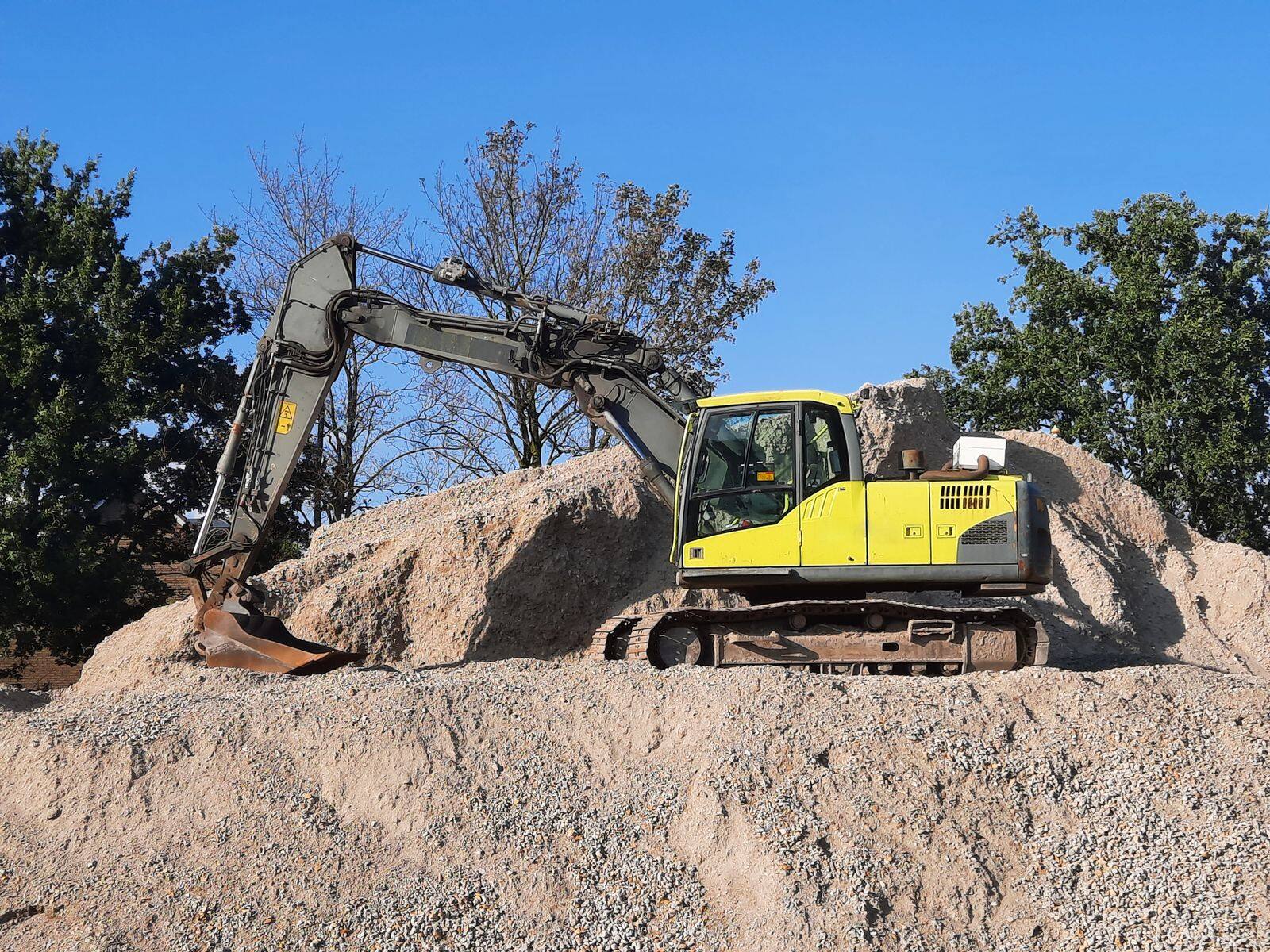
Derby's plant comes from two directions. The aerospace, rail and automotive supply chain around Sinfin, Osmaston Park and Raynesway runs telehandlers, forklifts, generators and compressors as yard kit, and when a machining or fabrication firm closes those machines are sold with the rest of the site. The other direction is construction. The new industrial space at Infinity Park and along the A50 and A38 corridors is built by groundworks and civils contractors, and their excavators, dumpers, rollers and telehandlers come to market when a contract ends or a firm winds down.
We sell both by online timed auction. Yard kit from an engineering site is catalogued alongside the machine tools it worked with. Construction plant is sold from the yard or the site where it stands, with a viewing day before the bidding closes and collection slots after.
Use the contact form to tell us what you have and where.
Yard kit sold with the machine tools
A precision engineering firm on Ascot Drive or Sinfin Lane does not think of itself as a plant owner, but the telehandler that unloads the steel and the generator that covers a power cut are plant, and they have a market of their own. When a site is cleared we separate them into their own lots. A telehandler is described with its hours, lift height, capacity and LOLER certificate. A generator with its kVA rating and hours. A forklift with its capacity and mast type.
Lotting it that way means the plant can be found by anyone looking for plant, without wading through a catalogue of lathes, and one viewing day and one collection window cover both kinds of lot, taken one at a time through the gate.
Ownership is checked the same way as for a contractor's fleet. Yard kit is often leased, and an item on lease stays with the funder until the agreement is settled, so it can only be sold with the funder's agreement.
The A50 and the low loader route south
Collection from the southern estates starts with the same checks as anywhere else: the gate, the turning space, the hard standing and the road outside. The estates around Sinfin and Infinity Park were laid out with lorries in mind, and where a low loader can load at the yard the A50 gives a route to junction 24 of the M1 one way and Stoke-on-Trent the other, with the A38 running north to south.
Those roads work for buyers as well. Nottingham and Long Eaton are along the A52, Burton upon Trent along the A38, Uttoxeter and Ashbourne to the west and Chesterfield and Belper to the north, all close enough to inspect the lots before the sale closes. Bidding is online and open across the UK.
Timing is worth thinking about with the construction cycle in mind, and we will give you a view on it before you fix a date. A lease end or a handover settles it in any case.
What these sales can include
- Excavators and mini diggers
- Dumpers and site dumpers
- Telehandlers
- Generators and lighting towers
- Compressors and breakers
- Rollers and compaction equipment
- Site cabins and welfare units
- Scaffolding and access equipment
- Concrete mixers and pumps
- Buckets, quick hitches and attachments
- Plant trailers
- Surveying equipment and small tools
- Fuel bowsers and tanks
How the auction works
Each machine is a lot with a full description, photographs and the hour reading. Bidding runs online for a set period, usually one to two weeks, and lots close in sequence. A bid in the last minutes extends the close for that lot.
Plant is offered as seen under the auction terms, and buyers are expected to inspect before bidding. The buyer pays the hammer price plus a buyer's premium, with VAT charged where it applies and shown separately on the invoice. Payment is required before removal.
Buyers arrange and pay for the removal of their lots within the agreed window. What that takes depends on the machine: wheeled plant with road registration can be driven away, and tracked or heavy machines go on a low loader. Nothing leaves the site until it is paid for and signed out.
The plant and construction equipment auctions page covers what buyers want to know, finance and ownership checks, where the sale runs from, reserves and the market, alternatives.
Questions about selling in Derby
- We are a subcontractor that has lost its main customer. Can we sell part of the fleet and keep the rest?
Yes. Auction does not have to be all or nothing. We catalogue the machines you want gone and leave the rest alone, and the catalogue does not say whether a fleet is being trimmed or sold up. If the machines you keep and the machines you sell share a yard, we set collection slots so that the sale lots go out without disturbing your work.
- Does a machine need to be running to go in the sale?
No. A non runner is still a lot, and we say plainly that it is one. What matters is an honest description of the fault and clear photographs, so that the bidding reflects the work the machine needs. Lots are offered as seen under the auction terms and buyers are expected to inspect before bidding. A fault described in the catalogue is priced by the bidder. A fault found on collection day causes a dispute.
More questions about plant and construction
Related services
Guides
- How used machinery is valued
Buyers pay for what a machine will do for them, less what it costs to get it out and running. This guide explains how make, hours, tooling, demand and removal cost feed a guide price, and why that price is not book value.
- Selling a commercial vehicle fleet
Fleet sales turn on paperwork as much as on price. This guide covers the V5C, MOT and plating documents, clearing finance before listing, keys and livery, recording mileage and tachograph data, and how to defleet in batches while still trading.