 Britannia Auctions
Plant and construction equipment auctions in Portsmouth
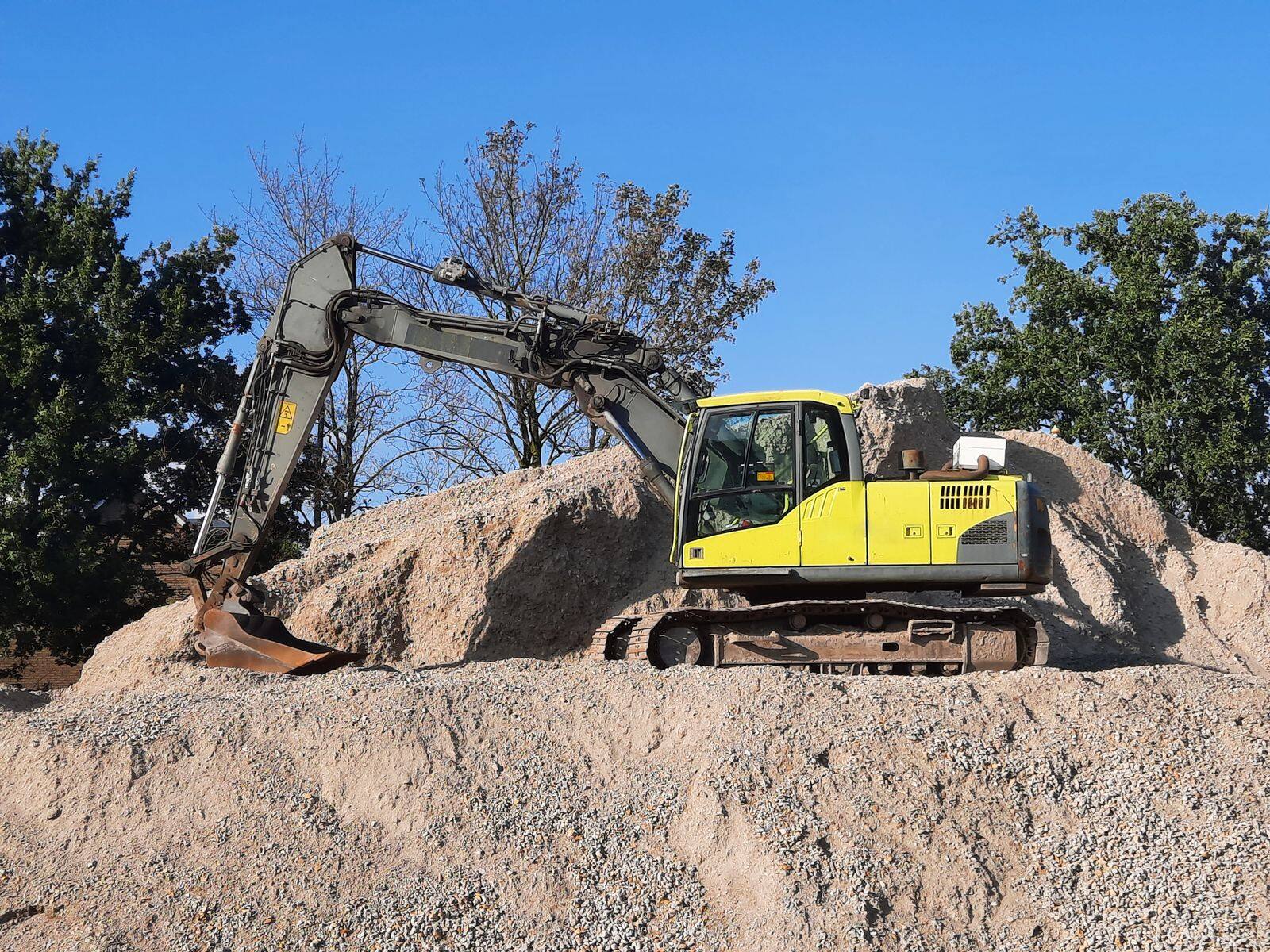
Portsea Island has one motorway onto it and the same one off. Every low loader that collects a machine from the Airport Industrial Estate at Hilsea uses the M275 and the M27, and a viewing day has to be planned around that. It can be done. We set collection slots so that lorries arrive in sequence rather than in a queue on Portfield Road.
The plant here belongs to a mix of trades. Contractors on the Hilsea and Farlington estates run the usual mini diggers, dumpers, telehandlers and compressors. Marine engineering and boat building firms at Trafalgar Wharf in Portchester run telehandlers, compressors, generators and access equipment of their own, and that plant comes to market when a yard changes hands or a contract ends.
Tell us what you have through the contact form and we will come and look.
Timing a boatyard sale around the lift out
Boatyards run to a season. Boats come out of the water in the autumn and go back in the spring, and a yard's telehandlers, compressors, generators and pressure washers are busiest either side of those dates. For a yard at Portchester that is closing or cutting back, the date of the sale is worth working out against that calendar rather than fixing it at random, and we will give you a view on it before you commit.
Access equipment from marine work is judged on its inspection record. A scissor lift or a boom with a current LOLER certificate is a different lot from one where the certification has lapsed and the buyer has to price in a fresh inspection.
Gosport, Fareham, Emsworth and Chichester are close enough to walk the lots on the viewing day, and the online catalogue puts the same lots in front of yards on other coasts.
Getting a low loader on and off the island
A yard at Hilsea or Fratton can be easy to find and hard to load from. The estates are older and the roads are shared with trade counters and vehicle repairers, so a step frame with a 13 tonne excavator on it needs somewhere to stop that is not the road. We walk the route before the catalogue is written and check the gate, the turning space, the hard standing and the loading point. Where the yard cannot take a low loader, a loading point on the estate can be agreed with the landlord, or we can collect the plant and sell it from our own premises.
Dunsbury Park at Havant was built for lorries and sits beside the A3(M), and it is checked in the same way before a compound sale is planned there.
For both, collection is by booked slot after the close. Buyers pay first, then collect with a release note, and nothing moves during the bidding.
What these sales can include
- Excavators and mini diggers
- Dumpers and site dumpers
- Telehandlers
- Generators and lighting towers
- Compressors and breakers
- Rollers and compaction equipment
- Site cabins and welfare units
- Scaffolding and access equipment
- Concrete mixers and pumps
- Buckets, quick hitches and attachments
- Plant trailers
- Surveying equipment and small tools
- Fuel bowsers and tanks
How the auction works
Each machine is a lot with a full description, photographs and the hour reading. Bidding runs online for a set period, usually one to two weeks, and lots close in sequence. A bid in the last minutes extends the close for that lot.
Plant is offered as seen under the auction terms, and buyers are expected to inspect before bidding. The buyer pays the hammer price plus a buyer's premium, with VAT charged where it applies and shown separately on the invoice. Payment is required before removal.
Buyers arrange and pay for the removal of their lots within the agreed window. What that takes depends on the machine: wheeled plant with road registration can be driven away, and tracked or heavy machines go on a low loader. Nothing leaves the site until it is paid for and signed out.
The plant and construction equipment auctions page covers what buyers want to know, finance and ownership checks, where the sale runs from, reserves and the market, alternatives.
Questions about selling in Portsmouth
- Our groundworks yard at Farlington goes back to the landlord at the end of the quarter. Is there time for an auction?
Usually, if you contact us as soon as the date is known. A sale needs a week to catalogue, one to two weeks of bidding and a few days of collection after the close, so a month is often workable, depending on the lot count and the access. If the date is closer than that, we can collect the plant to our own premises before the yard is handed back and sell it from there. The landlord then gets the yard on time.
- Do defence and marine contractors' machines sell any differently?
The machines are the same, but the records are often better. Plant that has worked inside the dockyard or on a ship repair contract tends to come with service sheets and inspection certificates, and we put all of that in the catalogue, because a bidder prices on the evidence rather than on the description alone. That tells most on telehandlers and access platforms. The one thing to check before we list is finance, because a machine on hire purchase remains the funder's property until it is settled.
More questions about plant and construction
Related services
Guides
- How used machinery is valued
Buyers pay for what a machine will do for them, less what it costs to get it out and running. This guide explains how make, hours, tooling, demand and removal cost feed a guide price, and why that price is not book value.
- Selling a commercial vehicle fleet
Fleet sales turn on paperwork as much as on price. This guide covers the V5C, MOT and plating documents, clearing finance before listing, keys and livery, recording mileage and tachograph data, and how to defleet in batches while still trading.