 Britannia Auctions
Catering and hospitality equipment auctions in Liverpool
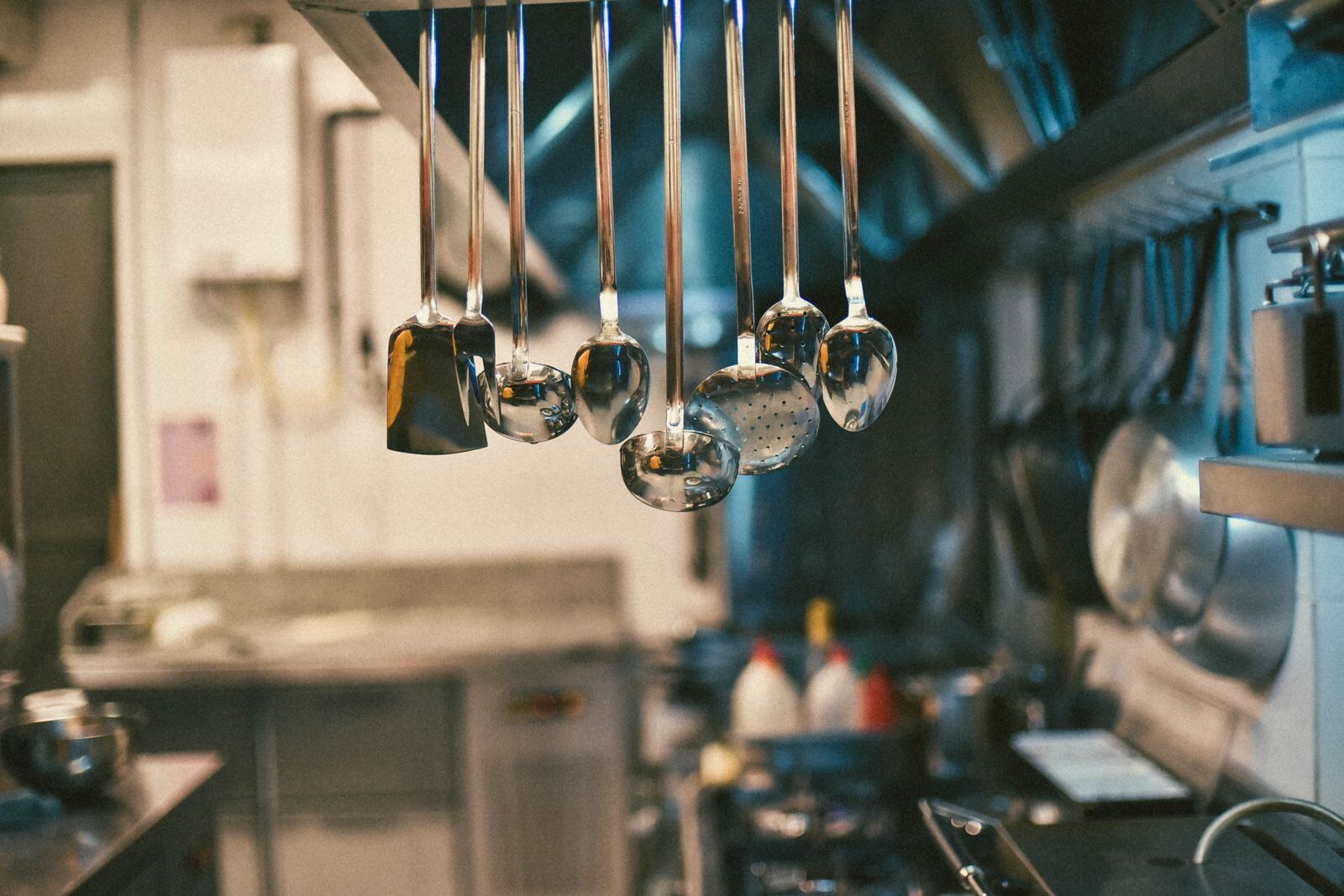
Visitors keep the Liverpool catering trade busy, and the trade keeps us busy in turn. The hotels, bars, restaurants and cafes around the waterfront and the city centre change hands and refit on a short cycle, and each one leaves a kitchen, a bar, a cellar and a room full of furniture behind. Further out, the car plants and pharmaceutical sites at Speke and Halewood and the distribution sheds at Knowsley run staff canteens that come to market when a site closes or a caterer's contract ends.
We sell all of it by online timed auction, usually from the premises. City centre sales need collection slots planned around busy streets, and the older dockside roads towards Bootle usually take a smaller vehicle. What the goods lift, the loading bay and the yard will take is checked before we agree a date.
Bids are placed online and the sale is open to the rest of the country, and Merseyside and the Wirral through the tunnels are an easy drive from a viewing day. Tell us what you have.
Hotels and bars on the waterfront
A hotel kitchen on the waterfront is built for breakfast service at scale. The larger lots are usually the combination ovens, the banqueting equipment, the pass through dishwasher line and the cold rooms, with the restaurant and bedroom furniture adding volume. Where a hotel has a service entrance and a goods lift, collection is a matter of booked slots, and we check both before the catalogue goes out.
The bars are different. A bar in a converted warehouse or a basement has its value in the cellar and the back bar: remote coolers, python lines, bottle fridges, ice machines and glasswashers. The kitchen may be a flat top and a fryer. Access is through the front door on a busy street, so collection happens early, and we say so in the listing.
Where a bar has the cellar equipment on loan from the drinks supplier, we separate that from the sale before we list anything, so buyers only bid on what is yours.
Vans on the dock road, forklifts at Speke
Liverpool's older roads on the way out to the docks and into Bootle have cafes, chip shops, pubs and takeaways that have served the port for a long time. The units are old and the yards are small. A sale from one of those is a van job. We photograph the route out, measure the doorways and put the details in the listing so nobody turns up in a lorry.
The estates at Speke, Halewood and Knowsley are a different job. A staff canteen at a car plant or a pharmaceutical site usually has a goods entrance and a security gate that books vehicles in, and we confirm the loading bay, the forklift and the site rules on the visit. Those sales run to the site's timetable, and the equipment is often only a few years old.
St Helens, Warrington, Widnes, Runcorn and Birkenhead through the tunnels are all a short trip from the viewing day, and bidding is online and open to the whole of the UK.
What these sales can include
- Cooking ranges and ovens
- Combination ovens
- Fryers and griddles
- Cold rooms and walk in freezers
- Upright and under counter refrigeration
- Display and serve over counters
- Dishwashers and glasswashers
- Ice machines
- Espresso machines and grinders
- Stainless steel tables and sinks
- Extraction canopies
- Bar equipment and beer coolers
- Tables, chairs and banquette seating
- Tills and till systems
How the sale runs
We visit, agree what is in the sale and catalogue it. Each lot is photographed and described as it stands, with known faults noted. The sale is listed online and marketed to operators and dealers across the UK. Buyers view on a set day and bid online, with lots closing in sequence on the sale date.
Lots are offered as seen under the auction terms, and buyers are expected to inspect before bidding. The buyer pays the hammer price plus a buyer's premium, with VAT charged where it applies and shown separately. We take payment before anything is released.
Collection follows over a window agreed with you. Buyers arrange and pay for removal, and our staff attend so that services are dealt with correctly and the premises are left as agreed with the landlord.
The catering and hospitality equipment auctions page covers what a catering sale looks like, disconnecting services and extraction, what your lease allows you to sell, clean it, label it, leave it working.
Questions about selling in Liverpool
- Our bar lease ends in a month and the landlord is strict about the state of the unit. What order do we do things in?
Call first, and we can propose a timetable: cataloguing in the same week, the sale live within days, about a week of bidding and a collection window after it, with the run depending on how many lots there are and the access. Book a registered gas engineer to cap the supply before collection, and a deep clean afterwards, which should leave time before the landlord inspects. If the sale slips, the equipment can be moved to our own premises for sale, which keeps the handover date.
- The canteen at our Speke site belongs to the company, not the caterer. Do we sell it with the rest of the site?
Usually yes. If the site is closing, the canteen equipment goes into the main site sale as its own section, so caterers and pub operators can find it without going through the production plant. If only the catering contract is ending and the site stays open, we run the canteen as a sale on its own, with collection through the goods entrance inside an agreed window. Either way the site's security procedures decide how buyers book in, and we work to them.
More questions about catering equipment