 Britannia Auctions
Catering and hospitality equipment auctions in Sunderland
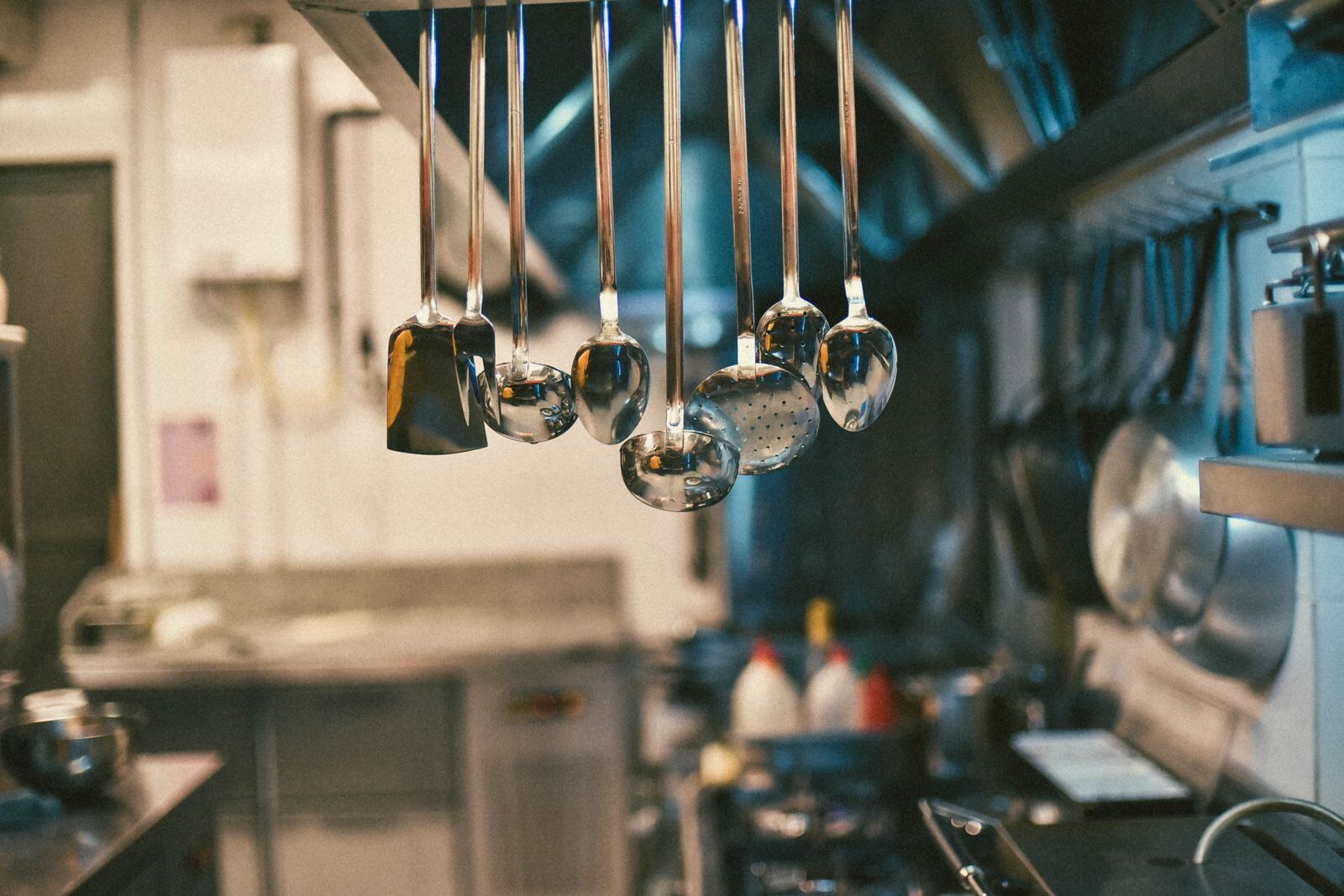
Sunderland feeds a lot of people at work. The car plant and the battery plant at Washington run around the clock, and the pressings, plastics, seating and trim suppliers on estates like Pattinson and Glover run shifts to match. Every one of those sites has a canteen, and when a supplier loses a contract or moves production, the canteen kitchen is part of what has to go.
The other side of the trade is the hotels and pubs that house and feed the contractors. When a big build at the plant finishes, the crews go home, and a hotel that was full on weekday nights can find itself with a restaurant it no longer needs. Add the seafront cafes and the city centre bars and there is a steady turnover of catering equipment across the area.
We sell it by online timed auction, usually from the premises. Tell us what the site is and when it has to be handed back.
Shift canteens on the Washington estates
A canteen at a tier one supplier is built for volume. Expect a long hot cupboard and servery run, a six burner range or two, a combination oven, a bulk dishwasher with a conveyor, and a wall of upright fridges. It was bought to serve a full shift pattern, and where the site maintenance team has serviced it the records are worth having for the catalogue.
These are usually straightforward sales. We check the approach, the yard, the loading bay and whether a forklift and a driver will be available on collection day, and the catalogue says what vehicle the site will take. We catalogue the canteen as its own run of lots inside the wider site sale so the catering buyers can find it without reading through the presses and robots.
Where a supplier is in administration and the administrators want the site handed back quickly, the canteen can be catalogued, sold, collected and cleared within the same timetable as the rest of the plant.
Hotel kitchens between the plant and the coast
Contractor hotels live and die by the projects at Washington. When a big build is on, the rooms fill up and the restaurant runs a hot breakfast for a full house. When the work moves on, the kitchen is too big for the trade that is left, and some owners strip it out and sell.
A hotel kitchen sale is mostly refrigeration and cooking equipment, with the banqueting furniture, bar equipment, coffee machines and tills behind it. Access is usually through a service yard, and we check what it will take before the catalogue goes out. We book buyers into collection slots so the lobby does not fill with people carrying fryers.
Pub and cafe operators are the market for it, and Seaham, Houghton-le-Spring, South Shields and Durham are near enough to come and see the lots. Smaller lots can travel by courier.
What these sales can include
- Cooking ranges and ovens
- Combination ovens
- Fryers and griddles
- Cold rooms and walk in freezers
- Upright and under counter refrigeration
- Display and serve over counters
- Dishwashers and glasswashers
- Ice machines
- Espresso machines and grinders
- Stainless steel tables and sinks
- Extraction canopies
- Bar equipment and beer coolers
- Tables, chairs and banquette seating
- Tills and till systems
How the sale runs
We visit, agree what is in the sale and catalogue it. Each lot is photographed and described as it stands, with known faults noted. The sale is listed online and marketed to operators and dealers across the UK. Buyers view on a set day and bid online, with lots closing in sequence on the sale date.
Lots are offered as seen under the auction terms, and buyers are expected to inspect before bidding. The buyer pays the hammer price plus a buyer's premium, with VAT charged where it applies and shown separately. We take payment before anything is released.
Collection follows over a window agreed with you. Buyers arrange and pay for removal, and our staff attend so that services are dealt with correctly and the premises are left as agreed with the landlord.
The catering and hospitality equipment auctions page covers what a catering sale looks like, disconnecting services and extraction, what your lease allows you to sell, clean it, label it, leave it working.
Questions about selling in Sunderland
- Our canteen is run by a contract caterer. Who owns the equipment, us or them?
Check the catering contract. Arrangements vary. On many contracts the heavy equipment, the ranges, the extraction canopy, the dishwasher and the fixed refrigeration, belongs to the site owner, and the caterer brings the small equipment and sometimes the tills and coffee machine. On others the caterer supplies and owns everything. We will go through the contract with you before we list anything, and we will only sell what is yours. If the caterer wants to sell their share in the same auction, that is easy to arrange.
- The hotel is still trading. Can you sell the restaurant kitchen without closing the bar?
Yes, and it is a normal way to run a sale in a trading hotel. We catalogue the kitchen and the restaurant furniture only, leave the bar and its coolers out of the sale, and set the viewing and collection days for quiet weekday mornings. Buyers come in through the service entrance and never see the lounge. Anything that can be run safely stays connected for the viewing day, and the rest is isolated. The gas has to be capped by a registered engineer before collection, so if the bar shares a supply with the kitchen we plan that with your engineer first.
More questions about catering equipment