 Britannia Auctions
Catering and hospitality equipment auctions in Swindon
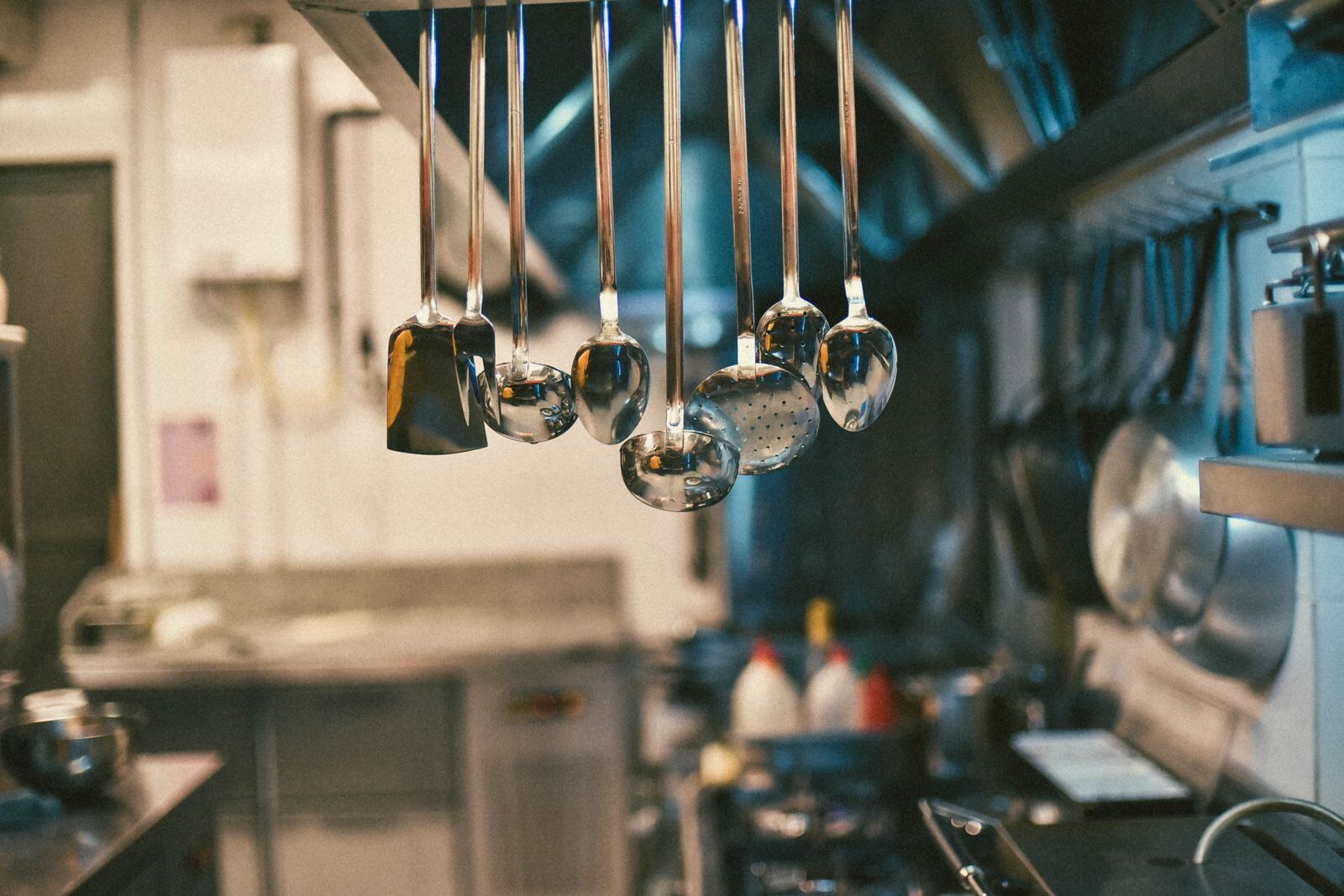
Big employers around Swindon run big kitchens. The pharmaceutical and electronics firms on the north and east sides of the town feed their staff from restaurants that would not look out of place in a hotel, and the distribution sheds at Blagrove and Symmetry Park each have a canteen for the shift. When a firm consolidates a site, or a contract caterer is replaced, that kitchen comes to market with a lot of equipment in it and a date by which the building must be clear.
The hotels along the M4 add their own cycle. A business hotel near junction 15 or 16 changes brand or refurbishes, and the restaurant is stripped back to the walls.
We sell it all by online timed auction, and Cirencester, Marlborough, Chippenham and Wantage are well placed for the viewing day, with bidding open to bidders anywhere in the UK.
Staff restaurants on the pharma and electronics sites
A corporate staff restaurant is usually a large, well specified kitchen, serviced on a contract since the day it opened. Combination ovens in banks of two or three, a rack dishwasher, a servery with induction hobs for theatre cooking, coffee machines at the front and a walk in cold room at the back. The furniture is in quantity and matches, which lots well.
Two things need sorting before we catalogue. The first is ownership, because the caterer may own part of the kit. The second is site access, because these campuses have security, set delivery hours and a goods entrance that is not the front door. We agree the collection days with the site's facilities team, supply a list of who is coming, and run the heavy lots out together on one day with a pallet truck.
The market is hotels, contract caterers, colleges and pubs across the region, and anyone fitting out a new restaurant who can take a whole line at once.
Hotel refurbishments beside the motorway
Hotels on the M4 corridor refurbish on a cycle, and a brand change usually means the restaurant is redone even when the kitchen still works. What comes out is a matched set. Ranges and fryers are one make and age, the refrigeration was specified together, the bar has its own coolers and glasswashers, and the dining room furniture is a single design in quantity.
The job is done around a trading hotel. Guests are still checking in, so collection goes through the service yard, in booked slots, with a trolley route that stays out of the lobby. We supply the hotel with a list of collecting buyers and their vehicles, and a member of our staff is there to release each lot against a paid invoice.
Warehouse canteens at Blagrove and Symmetry Park are simpler. A loading bay, a forklift if the site has one, a pallet truck if it does not, and a curtain sider for the dealer taking the servery.
What these sales can include
- Cooking ranges and ovens
- Combination ovens
- Fryers and griddles
- Cold rooms and walk in freezers
- Upright and under counter refrigeration
- Display and serve over counters
- Dishwashers and glasswashers
- Ice machines
- Espresso machines and grinders
- Stainless steel tables and sinks
- Extraction canopies
- Bar equipment and beer coolers
- Tables, chairs and banquette seating
- Tills and till systems
How the sale runs
We visit, agree what is in the sale and catalogue it. Each lot is photographed and described as it stands, with known faults noted. The sale is listed online and marketed to operators and dealers across the UK. Buyers view on a set day and bid online, with lots closing in sequence on the sale date.
Lots are offered as seen under the auction terms, and buyers are expected to inspect before bidding. The buyer pays the hammer price plus a buyer's premium, with VAT charged where it applies and shown separately. We take payment before anything is released.
Collection follows over a window agreed with you. Buyers arrange and pay for removal, and our staff attend so that services are dealt with correctly and the premises are left as agreed with the landlord.
The catering and hospitality equipment auctions page covers what a catering sale looks like, disconnecting services and extraction, what your lease allows you to sell, clean it, label it, leave it working.
Questions about selling in Swindon
- Our caterer's contract ends on a quarter day. Can the sale close before then?
Usually, if you call four to six weeks ahead. Allow a few days to visit and catalogue, a week or two of bidding and a collection window of two or three days, with the run depending on the lot count and the access. Working back from the quarter day, a close about ten days before it leaves room for collection and a final clean. If the notice is shorter than that, we can collect the equipment and sell it from our own premises, so the room is clear on the date even if the sale closes later.
- The hotel is still trading. Will the sale disturb guests?
It should not, and we plan so that it does not. The viewing day is held in the kitchen and the closed restaurant, with buyers signed in through the goods entrance. Collection runs in short booked slots during the hotel's quiet hours, using the service yard and the back corridors. Heavy lots are grouped into one slot where the hotel can take them, so the disruption is short. We can talk you through how a sale inside a trading hotel works before you decide.
More questions about catering equipment