 Britannia Auctions
Complete site dispersal auctions in Leicester
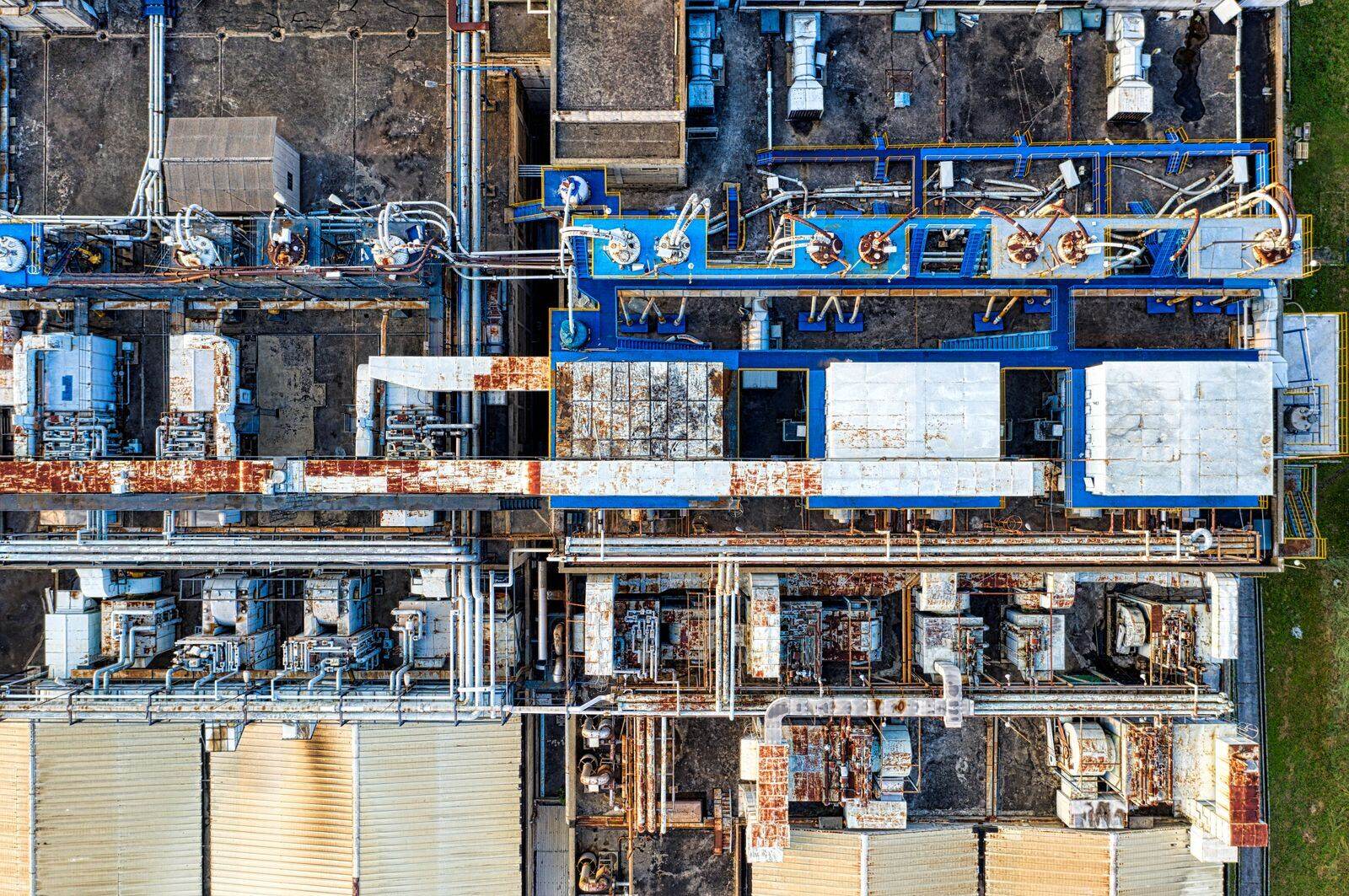
A Leicester site dispersal is rarely one big machine and a lot of floor space. More often it is a clothing factory with rows of industrial sewing machines, cutting tables, fusing presses and steam finishing kit, or a food or plastics unit where the plant is fixed, the racking is full and the office upstairs still has its furniture in it. The whole lot has to go, and it has to go by a date.
We list the site room by room, sell everything in one online timed auction and manage the buyers as they collect. The larger machines sell as single lots. The bins of trims, the spare needles, the shelves of fittings and the canteen tables are grouped so that they sell rather than get skipped.
Tell us what the site is, roughly what is in it and when the keys go back. We will come and look.
Textile floors, food lines and the estates outside
Many of the dispersals we are asked about sit on the inner city textile streets in the east and west of the city. These are often older buildings on several floors, with lockstitch and overlock machines by the dozen, pressing equipment on the top floor and the goods lift the only way down. A plastics moulding shop on Troon Industrial Estate or a food unit at Beaumont Leys is a different job, with heavier plant, and there the door widths, the yard space and the floor levels decide how it comes out.
On a multi floor textile site we lot by floor and agree collection times with you so the lift is not the bottleneck. On an outer estate a buyer may bring a rigger and clear a line in a day or two, and that is booked into the window as well.
- Sewing, cutting and finishing machines are lotted individually with their accessories
- Injection moulders, granulators and chillers are described with tonnage, controls and ancillaries
- Racking, benches and office contents are lotted in runs to keep collection simple
Getting a full building empty on time
Most Leicester dispersals are driven by a lease end or a liquidator's timetable. Either way there is a fixed day when the building has to be empty, and everything works back from that. We usually want four to six weeks, though the number of lots, the access and how quickly buyers pay all move it. Cataloguing takes the first week, bidding normally runs about two, and collection one to two weeks after the close.
Access shapes the plan. On the outer estates near junction 21, on Meridian Business Park or around Braunstone Frith, we check what the yards and doors take before listing anything heavy. On the older streets in the city, buyers collect with vans and small trucks, and we stagger collection slots so the road is not blocked.
The trade in Loughborough, Hinckley, Market Harborough and Coalville is an easy drive from a viewing day, with the M1 and M69 on the doorstep. Online bidding opens the sale to bidders across the country, so a fusing press in Leicester is in front of a factory anywhere.
What these sales can include
- Complete production lines
- CNC lathes and machining centres
- Presses, guillotines and folders
- Overhead cranes and hoists
- Compressors and air receivers
- Forklift trucks
- Racking and storage systems
- Tooling, spares and consumables
- Inspection and test equipment
- Welding and fabrication equipment
- Office furniture and IT equipment
- Canteen and welfare equipment
- Vehicles and trailers
The auction
The sale runs as an online timed auction, open for bidding for a fixed period with a viewing day at the site before the close. Lots close in sequence, and a late bid extends the closing time for that lot so nobody is beaten by the clock. Bidders register online, and the sale is advertised to the trade for that type of equipment.
Lots are offered as seen under the auction terms, and buyers are expected to inspect before bidding. The buyer pays the hammer price plus a buyer's premium, with VAT charged where it applies and shown separately on the invoice. Once paid, the buyer collects within the agreed window. Our staff are on site throughout collection to check off each lot and control access.
For very large sites the sale may be split into two or more auctions, so the building empties in stages and production can continue in one area while another is cleared.
The complete site dispersal auctions page covers what a site dispersal involves, preparing the site, removal and heavy lifting, timescales and what to expect.
Questions about selling in Leicester
- Our factory is on three floors with one goods lift. Is that a problem for a site dispersal?
No, but it changes how we run the collection. We lot the site floor by floor and give buyers timed slots, so the lift is used in order rather than everyone arriving at once. Heavier items on upper floors, such as a fusing press or a steam boiler, are flagged in the catalogue so the buyer arranges the right help. The lift is a planning point rather than a blocker, and it is one of the things we measure on our first visit.
- The production line is still running. When should we call you?
As soon as you know the site is closing. We can catalogue while you finish the last orders, provided nothing leaves without telling us. Where a machine can be run safely it stays connected for the viewing day and your staff can demonstrate it, by agreement, while everything else is isolated and left safe. It also means the lease end date and the collection window line up rather than fight each other.
More questions about site dispersals
Related services
Guides
- Auction or private treaty: which route to choose
Auction gives you a fixed date and an open market. Private treaty gives you a negotiated price and privacy. This guide sets out when each route suits, what you give up with each, and why many sales use both.
- Closing a business: a timeline for selling the assets
Work backwards from the day you hand the site over. This guide covers lease end and dilapidations, when to instruct, when staff should leave, when to keep the power on, and how to leave enough room for collection and making good.
- What insolvency practitioners need from an auctioneer
For office holders realising physical assets. Covers the instruction letter, the asset schedule and valuation basis, retention of title, finance checks, site security, health and safety during the sale, and the reconciliation you need for the file.