 Britannia Auctions
Complete site dispersal auctions in Wolverhampton
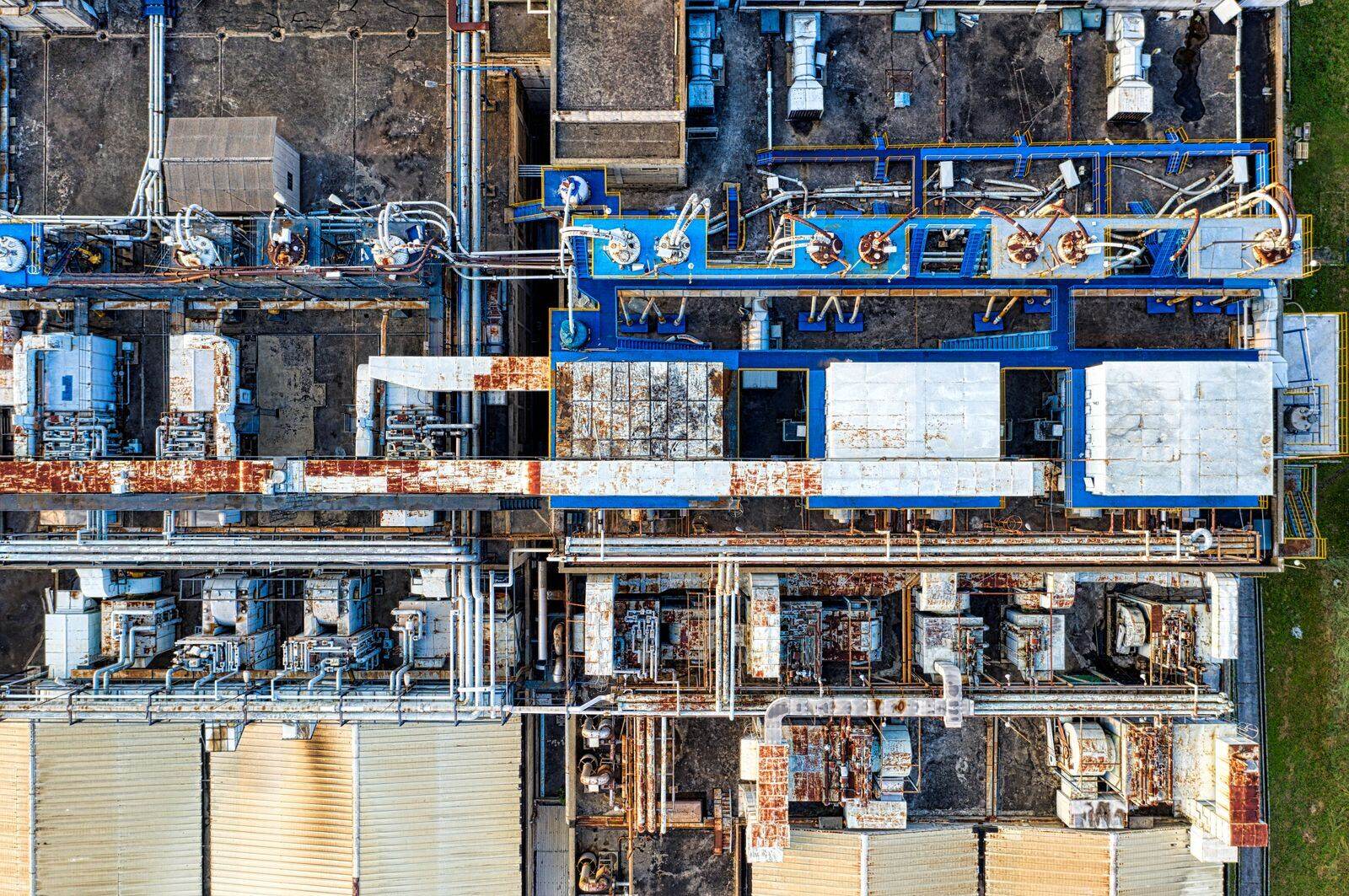
Black Country factories were built to make things out of metal, and when one closes the building shows it. Power presses in a row, a coil line, welding bays, a fabrication shop with a plasma table and a press brake, a shot blast cabinet and paint plant, an overhead crane and a stores full of tooling. The forklift is outside and there are usually a couple of vans.
A site dispersal in Wolverhampton sells the lot in one online timed auction. We catalogue on site, hold a viewing day, run the bidding for a week or two and manage the buyers through collection until the unit is empty.
The estates at Bilston, Wednesfield and Willenhall are older than the i54, and what each unit takes is measured before anything heavy is listed. That shapes the removal plan, not the sale.
Presses and fabrication plant on older estates
Many Wolverhampton sites are on estates laid out generations ago, and the Planetary, Strawberry Lane and Wednesfield Way estates have their share of tight turns and short yards. A press that weighs as much as a lorry has to come out through a door that was designed for a smaller one, and that is the first thing we look at.
Before the catalogue goes live we walk the route from each heavy machine to the road, measuring the approach and the turning room, the door openings and the floor levels. Where a low loader cannot reach the door we say so in the lot notes, and the buyer arranges and pays for the lift, whether that means a crane or a move to the kerb. Where a machine is on a pit or bolted through the slab, that is in the listing too.
The result is that buyers bid with their eyes open, which stops disputes on collection day. Presses, brakes, guillotines and welding sets are familiar plant in the Black Country, and the lot notes give the weight, the fixings and the route out.
Lotting for the Black Country trade
The Black Country trade sits around a Wolverhampton dispersal. Fabricators and pressings shops in Walsall, Dudley and West Bromwich run the kind of plant a closing works holds, and they are close enough to walk the lots on the viewing day, as are the Telford and Cannock firms down the M54 and the A5. Online bidding opens the sale to the rest of the country for the bigger machines and the aerospace grade equipment the newer plants use.
We lot the site so that each kind of buyer has something to bid on. Large machines as single lots. Tooling and dies sorted so that general tooling is separate from tools made for one customer's part. Racking, benches and the stores contents in runs of lots. The office, the canteen and the yard equipment at the end.
Collection runs in an order agreed with you, usually riggers first for the heavy lots, then the racking crews, then the vans. On a tight estate we book slots so that the road stays clear for the neighbours.
What these sales can include
- Complete production lines
- CNC lathes and machining centres
- Presses, guillotines and folders
- Overhead cranes and hoists
- Compressors and air receivers
- Forklift trucks
- Racking and storage systems
- Tooling, spares and consumables
- Inspection and test equipment
- Welding and fabrication equipment
- Office furniture and IT equipment
- Canteen and welfare equipment
- Vehicles and trailers
The auction
The sale runs as an online timed auction, open for bidding for a fixed period with a viewing day at the site before the close. Lots close in sequence, and a late bid extends the closing time for that lot so nobody is beaten by the clock. Bidders register online, and the sale is advertised to the trade for that type of equipment.
Lots are offered as seen under the auction terms, and buyers are expected to inspect before bidding. The buyer pays the hammer price plus a buyer's premium, with VAT charged where it applies and shown separately on the invoice. Once paid, the buyer collects within the agreed window. Our staff are on site throughout collection to check off each lot and control access.
For very large sites the sale may be split into two or more auctions, so the building empties in stages and production can continue in one area while another is cleared.
The complete site dispersal auctions page covers what a site dispersal involves, preparing the site, removal and heavy lifting, timescales and what to expect.
Questions about selling in Wolverhampton
- The building is being sold and the new owner wants it clear. How do we fit an auction around the completion date?
Work back from the completion date. We need the building empty a few days before it, so the auction closes about two weeks earlier than that, and cataloguing starts four to six weeks before completion. If contracts have not yet exchanged, we can catalogue now and hold the sale date until they have. The one thing to agree with the buyer of the building is whether fixed items like the crane and the compressed air lines are staying or going.
- We have a lot of press tools and dies. Are they worth anything?
It depends on what they fit. Tools made for one customer's part have little value to anyone else and often go for scrap weight, though the customer may want them back. General purpose tooling, die sets, tool holders, punches and measuring equipment are worth lotting in sensible groups so a buyer can price them. We sort the stores with you and give a view on what to expect. Nothing is scrapped until it has been offered.
More questions about site dispersals
Related services
Guides
- Auction or private treaty: which route to choose
Auction gives you a fixed date and an open market. Private treaty gives you a negotiated price and privacy. This guide sets out when each route suits, what you give up with each, and why many sales use both.
- Closing a business: a timeline for selling the assets
Work backwards from the day you hand the site over. This guide covers lease end and dilapidations, when to instruct, when staff should leave, when to keep the power on, and how to leave enough room for collection and making good.
- What insolvency practitioners need from an auctioneer
For office holders realising physical assets. Covers the instruction letter, the asset schedule and valuation basis, retention of title, finance checks, site security, health and safety during the sale, and the reconciliation you need for the file.