 Britannia Auctions
Complete site dispersal auctions in Norwich
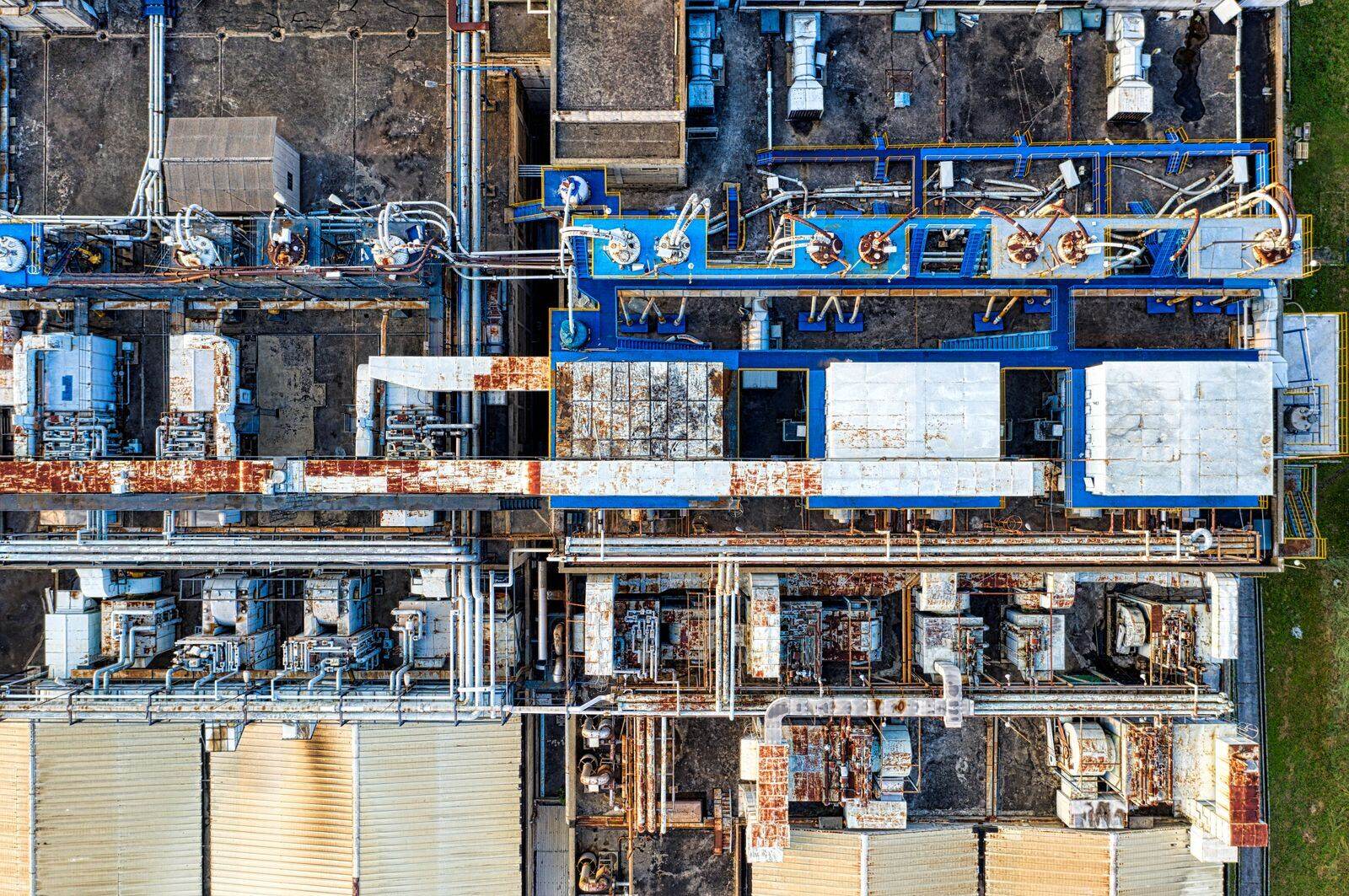
Food and farming run through most of the sites we clear around Norwich. A processor on Broadland Business Park or a packer near the airport closes and the building holds stainless steel conveyors, blast chillers, cold stores, packing lines and a wash down area. Where an agricultural engineer in one of the villages beyond the ring road is retiring and selling the equipment rather than the business, the workshop holds welding plant, a press, a lathe, a hydraulic hose bench and a long accumulated parts stock. Both are site dispersals, and both end with an empty building and one account.
We catalogue everything on the site, sell it in one online timed auction with a viewing day at the premises, and manage the buyers through an agreed collection window. Where a rural site needs it, we plan the collection around a smaller vehicle rather than an articulated lorry, and we say so to bidders before they bid.
Lines are offered whole before they are broken up
A packing line or a processing line is offered as a line first, because a buyer who can lift it and run it values it differently from a dealer who weighs it. So the catalogue describes lines as lines, with the make of controls, the belt widths and the throughput where you know it, and offers them as single lots first. Refrigeration, cold store panels and racking follow as separate lots. Processors in Great Yarmouth, Dereham, Attleborough and Diss are well placed for the viewing day, and bidding runs online and is open to dealers in stainless plant across the country.
Agricultural engineering workshops are simpler to list. Welding sets, presses, lathes and hand tools are lotted for other engineers, farmers, contractors and dealers, and the viewing day suits them. Printing plant from the city's print firms draws its own trade. The automotive engineering firms at Hethel bring precision machines and test equipment, which are catalogued for a national audience bidding online.
Village workshops mean planning the lane before the lift
The older estates on Vulcan Road and Salhouse Road take a rigid lorry to the door, and the units at Longwater and Rackheath take an articulated one. Beyond the ring road it is different. A workshop in a village may sit behind a lane with no turning space, a low bridge on the way in, a gate narrower than a lorry or a yard that floods after rain. We visit before listing and describe the route in the lot notes, so a buyer's haulier knows to send a smaller vehicle or a hiab rather than a low loader. It costs the buyer a little more and saves everyone a wasted journey.
The A11 and A47 make the rest straightforward. A machine on a lorry at Costessey is on the A47 in minutes and the Broadland Northway carries it round the city. Collections are booked in a sequence agreed with you, so a crane booked for the heavy lots is not waiting behind a van.
What these sales can include
- Complete production lines
- CNC lathes and machining centres
- Presses, guillotines and folders
- Overhead cranes and hoists
- Compressors and air receivers
- Forklift trucks
- Racking and storage systems
- Tooling, spares and consumables
- Inspection and test equipment
- Welding and fabrication equipment
- Office furniture and IT equipment
- Canteen and welfare equipment
- Vehicles and trailers
The auction
The sale runs as an online timed auction, open for bidding for a fixed period with a viewing day at the site before the close. Lots close in sequence, and a late bid extends the closing time for that lot so nobody is beaten by the clock. Bidders register online, and the sale is advertised to the trade for that type of equipment.
Lots are offered as seen under the auction terms, and buyers are expected to inspect before bidding. The buyer pays the hammer price plus a buyer's premium, with VAT charged where it applies and shown separately on the invoice. Once paid, the buyer collects within the agreed window. Our staff are on site throughout collection to check off each lot and control access.
For very large sites the sale may be split into two or more auctions, so the building empties in stages and production can continue in one area while another is cleared.
The complete site dispersal auctions page covers what a site dispersal involves, preparing the site, removal and heavy lifting, timescales and what to expect.
Questions about selling in Norwich
- Our food plant has to be cleaned down before the landlord takes it back. Should we clean it before or after the sale?
Before the viewing, as far as you can. A clean line photographs better, and equipment that can be run safely stays connected so your staff can demonstrate it. Refrigeration can stay running for the viewing so cold stores and chillers are shown working, and everything else is isolated and left safe. After collection there is a final clean of the empty building, and we can bring in a contractor if you want that handled with the rest. Do not strip anything out before the inventory.
- Half our stock is seasonal and will not be used now. Can it go in the same sale?
Yes, as a separate section of the same auction. Packaging, ingredients with a usable shelf life, dry goods and consumables sell by the pallet to other processors and to wholesalers, and they are listed apart from the machinery so the right bidders find them. Anything short dated is dealt with first. Stock that belongs to a customer or is covered by retention of title from a supplier is removed before we list, and we help you check that.
More questions about site dispersals
Related services
Guides
- Auction or private treaty: which route to choose
Auction gives you a fixed date and an open market. Private treaty gives you a negotiated price and privacy. This guide sets out when each route suits, what you give up with each, and why many sales use both.
- Closing a business: a timeline for selling the assets
Work backwards from the day you hand the site over. This guide covers lease end and dilapidations, when to instruct, when staff should leave, when to keep the power on, and how to leave enough room for collection and making good.
- What insolvency practitioners need from an auctioneer
For office holders realising physical assets. Covers the instruction letter, the asset schedule and valuation basis, retention of title, finance checks, site security, health and safety during the sale, and the reconciliation you need for the file.