 Britannia Auctions
Complete site dispersal auctions in Plymouth
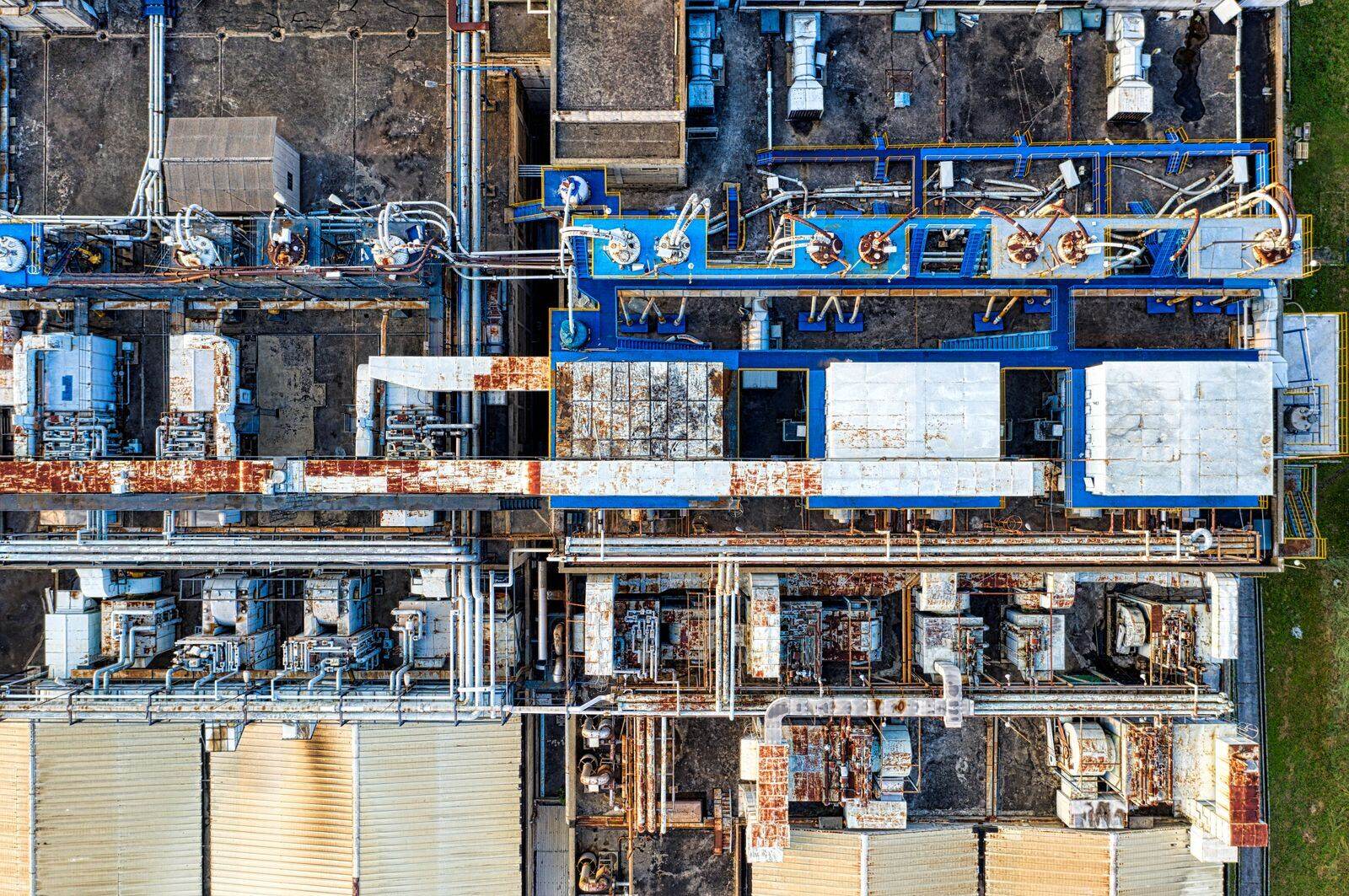
Some of the sites we are asked to clear in Plymouth have a road in that was laid out for horses. A marine engineering shop on the waterfront or a boatbuilder on the Tamar may have a slipway on one side and a narrow street on the other, and the machinery inside came in by crane or by water when it was new. A site dispersal there starts with the route out, and the catalogue has to tell buyers what it is.
The plant is worth the trouble. Marine engineers and ship repairers run large lathes, borers, welding bays and lifting gear. Fish processors at Sutton Harbour leave stainless lines, ice machines, cold stores and packing tables. The manufacturing and medical device units at Estover and Langage hold modern CNC plant and clean rooms. We list it all, sell it in one online timed auction, and manage the buyers through collection until the building is empty.
Waterfront workshops need the crane booked first
A big lathe in a shed by the water is a rigging job first. Before we list it we measure the door, the lane and the turning space, note the weight and the foundations, and ask whether a crane can stand on the quay. Where the answer is that the machine has to go out by barge or over a roof, we say so in the lot notes, and buyers price the lift into their bids. It is far better than a dispute on collection day, and a buyer's rigger can then quote for the job before the sale closes.
Marine plant has a broad audience. Ship repairers and boatbuilders in Torpoint, Saltash and along the Cornish coast are an easy drive from a viewing day, as are engineering firms in Ivybridge, Tavistock, Liskeard and Totnes. Online bidding puts the larger lots in front of the rest of the country.
Newer estates and processing plant are planned apart
The units at Langage and Estover were built with lorry access and a yard, and we confirm what each one takes at the first visit before the slots are booked. The A38 takes a low loader east to the M5 at Exeter or west over the Tamar Bridge into Cornwall without touching the city centre. Manufacturing plant from those sites, machining centres, inspection equipment, clean room fit out and assembly benches, is mostly modern and is catalogued for a national audience bidding online, with the fixtures and tooling lotted alongside.
Fish processing plant needs a different order. Refrigeration that can run safely stays connected for the viewing day so cold stores and ice machines can be demonstrated, and everything else is isolated and left safe. The stainless is then sized for a van or a rigid lorry, and it is lotted for processors along the coast and for dealers in stainless plant. At Marsh Mills and the Valley Road trade units we measure what reaches the door and note where an articulated lorry will not fit.
What these sales can include
- Complete production lines
- CNC lathes and machining centres
- Presses, guillotines and folders
- Overhead cranes and hoists
- Compressors and air receivers
- Forklift trucks
- Racking and storage systems
- Tooling, spares and consumables
- Inspection and test equipment
- Welding and fabrication equipment
- Office furniture and IT equipment
- Canteen and welfare equipment
- Vehicles and trailers
The auction
The sale runs as an online timed auction, open for bidding for a fixed period with a viewing day at the site before the close. Lots close in sequence, and a late bid extends the closing time for that lot so nobody is beaten by the clock. Bidders register online, and the sale is advertised to the trade for that type of equipment.
Lots are offered as seen under the auction terms, and buyers are expected to inspect before bidding. The buyer pays the hammer price plus a buyer's premium, with VAT charged where it applies and shown separately on the invoice. Once paid, the buyer collects within the agreed window. Our staff are on site throughout collection to check off each lot and control access.
For very large sites the sale may be split into two or more auctions, so the building empties in stages and production can continue in one area while another is cleared.
The complete site dispersal auctions page covers what a site dispersal involves, preparing the site, removal and heavy lifting, timescales and what to expect.
Questions about selling in Plymouth
- Our yard is on the Tamar and the only road access is through a residential street. Will that stop the sale?
No, but it changes the plan. We check whether a crane can work from the quay and whether the heavy lots can go out by water. We also measure what size of vehicle the street takes. The lot notes describe the route so buyers' riggers can quote in advance, and we book heavy collections for times the street can take them. Where a machine has to leave by barge, the bid reflects the cost of the lift rather than the buyer finding that out afterwards.
- We process fish at Sutton Harbour and some equipment is shared with the neighbouring unit. How do you deal with that?
We ask at the site visit who owns what, and anything shared or owned by the neighbour is kept out of the catalogue until it is agreed. Shared services such as refrigeration plant or a compressor feeding two units need care, because removing them affects the business next door. Where that is the case we list the item with a note on the disconnection, or leave it in place if the neighbour buys it directly. Everything you own outright goes in the sale.
More questions about site dispersals
Related services
Guides
- Auction or private treaty: which route to choose
Auction gives you a fixed date and an open market. Private treaty gives you a negotiated price and privacy. This guide sets out when each route suits, what you give up with each, and why many sales use both.
- Closing a business: a timeline for selling the assets
Work backwards from the day you hand the site over. This guide covers lease end and dilapidations, when to instruct, when staff should leave, when to keep the power on, and how to leave enough room for collection and making good.
- What insolvency practitioners need from an auctioneer
For office holders realising physical assets. Covers the instruction letter, the asset schedule and valuation basis, retention of title, finance checks, site security, health and safety during the sale, and the reconciliation you need for the file.