 Britannia Auctions
Complete site dispersal auctions in Sunderland
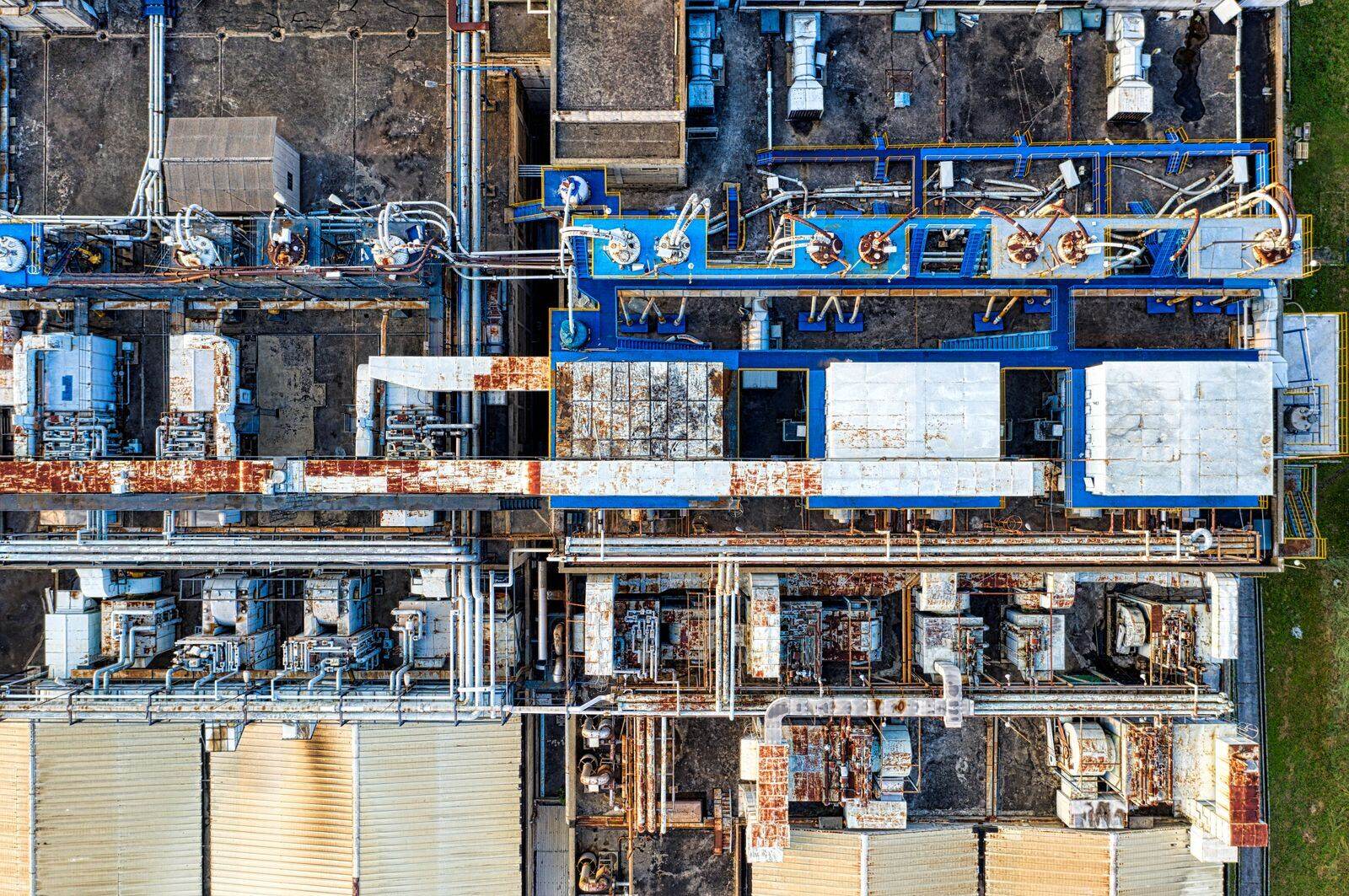
Most of the sites we clear around Sunderland were built to feed the car plant. A tier two supplier at Washington or North Hylton loses a model contract, the volume goes, and the building is left full of the equipment that made the parts. Injection moulding machines and their chillers. Power presses and progression tooling. Robot welding cells, conveyors, test rigs, and racks of returnable packaging that nobody wants to pay to store.
A site dispersal turns all of that into one online timed auction with one collection window. We catalogue every item on the premises, from the moulding hall to the canteen, and attend through the agreed collection window until the floor is clear.
A model changeover gives a date to work back from, and we build the proposed timetable around it.
Moulding halls and press shops built for one customer
Automotive supplier plant is not tied to the parts it made. A moulding machine set up for trim parts is a moulding machine to a buyer in the packaging or construction products trade, and the tonnage and the age of the controls set its value, not the part it made. Presses and coil lines go the same way. What does not travel is the tooling cut for a specific vehicle, which usually belongs to the car maker anyway and goes back before we start.
We sort the site into what sells on its own and what sells in groups. Moulding machines, presses, granulators, compressors and cranes are single lots. Hot runner controllers and dryers go with the machine they served where that adds value. Racking, benches, stillages and pallet trucks are lotted by the bay. Returnable packaging is a lot of its own, because the supply chain around the plant uses the same stillages.
What decides how the heavy lots leave
The estates at Washington, Pattinson and Armstrong among them, were laid out for articulated traffic, with the A1231 and A19 minutes away. Whether a low loader reaches a particular door, and what a moulding machine needs to come out, is settled when we first visit by measuring the yard, the turning space, the door openings and the floor. Removal cost shows in the bids, so buyers are told what they are taking on before they bid.
Overhead cranes are the exception. A crane sold in a dispersal is usually left until last, because it is the tool the rigger uses to load everything else, and its removal needs the landlord's agreement about the building structure.
The trade in Gateshead, Durham, Peterlee and South Shields is near enough to view in person, and the auction is online and open to the rest of the country.
What these sales can include
- Complete production lines
- CNC lathes and machining centres
- Presses, guillotines and folders
- Overhead cranes and hoists
- Compressors and air receivers
- Forklift trucks
- Racking and storage systems
- Tooling, spares and consumables
- Inspection and test equipment
- Welding and fabrication equipment
- Office furniture and IT equipment
- Canteen and welfare equipment
- Vehicles and trailers
The auction
The sale runs as an online timed auction, open for bidding for a fixed period with a viewing day at the site before the close. Lots close in sequence, and a late bid extends the closing time for that lot so nobody is beaten by the clock. Bidders register online, and the sale is advertised to the trade for that type of equipment.
Lots are offered as seen under the auction terms, and buyers are expected to inspect before bidding. The buyer pays the hammer price plus a buyer's premium, with VAT charged where it applies and shown separately on the invoice. Once paid, the buyer collects within the agreed window. Our staff are on site throughout collection to check off each lot and control access.
For very large sites the sale may be split into two or more auctions, so the building empties in stages and production can continue in one area while another is cleared.
The complete site dispersal auctions page covers what a site dispersal involves, preparing the site, removal and heavy lifting, timescales and what to expect.
Questions about selling in Sunderland
- The car plant owns our press tools. What happens to them in a site dispersal?
They go back to the car maker before we catalogue. We ask you for the list of customer owned tooling, dies, fixtures and gauges at the first visit, and we tag those items so they are not lotted. It is normal on a supplier site for a large share of the tooling to be owned by someone else. The presses, the moulding machines and everything you bought yourself remain in the sale.
- Our contract ends at a model changeover. How far ahead should we book the sale?
Six to eight weeks before the building has to be clear is comfortable, depending on the number of lots and the access. That gives time to catalogue while production winds down, run the auction over two weeks, and leave a fortnight for collection. A moulding machine or a press that can be run without risk stays connected for the viewing day, so your staff can show it working, and everything else is isolated and left safe.
More questions about site dispersals
Related services
Guides
- Auction or private treaty: which route to choose
Auction gives you a fixed date and an open market. Private treaty gives you a negotiated price and privacy. This guide sets out when each route suits, what you give up with each, and why many sales use both.
- Closing a business: a timeline for selling the assets
Work backwards from the day you hand the site over. This guide covers lease end and dilapidations, when to instruct, when staff should leave, when to keep the power on, and how to leave enough room for collection and making good.
- What insolvency practitioners need from an auctioneer
For office holders realising physical assets. Covers the instruction letter, the asset schedule and valuation basis, retention of title, finance checks, site security, health and safety during the sale, and the reconciliation you need for the file.