 Britannia Auctions
Machinery and engineering auctions in Derby
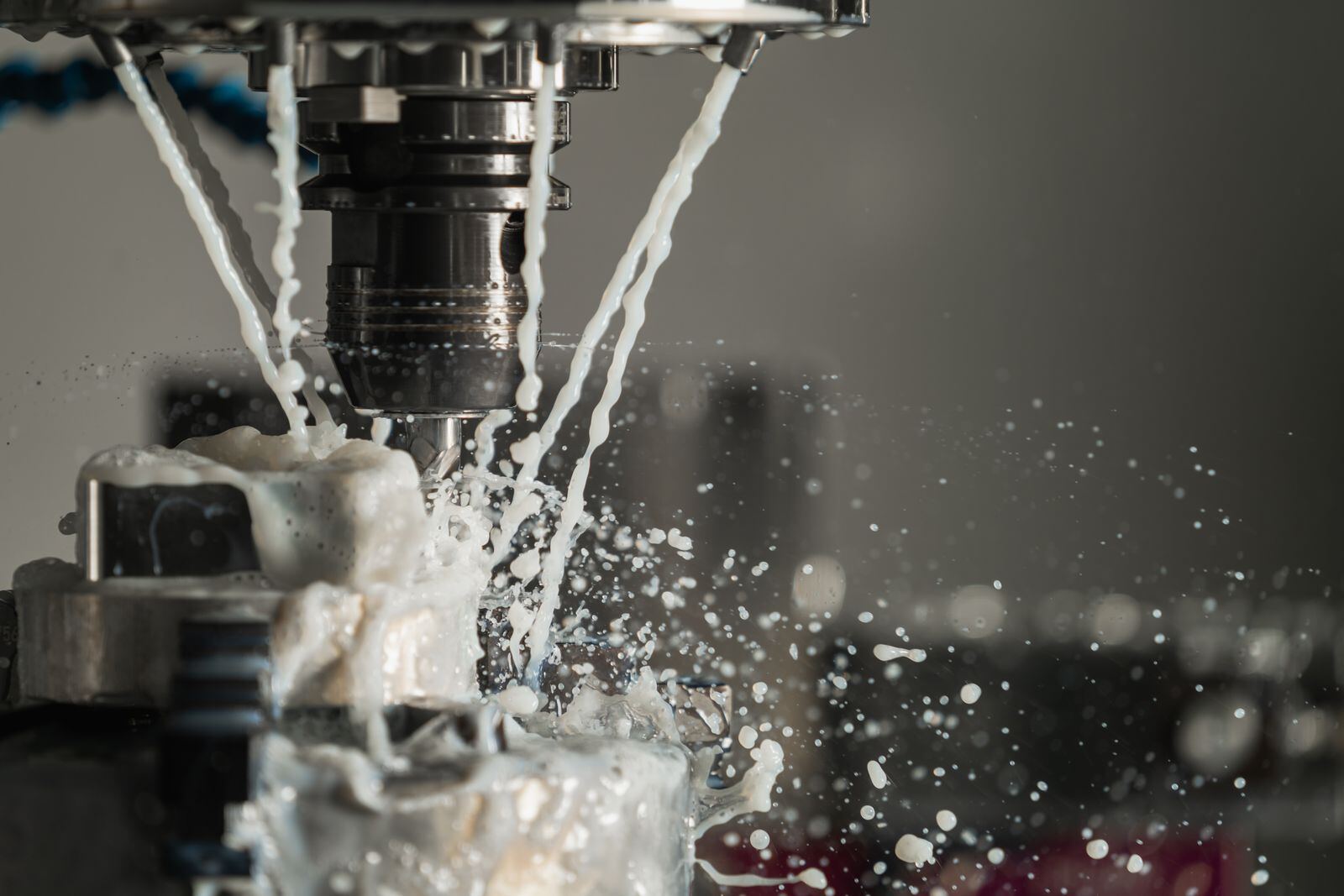
Derby's machine shops are precision shops. The aerospace and rail plants in the city, and the automotive work alongside them, depend on a supply chain of subcontract machinists across Osmaston Park, Ascot Drive, Sinfin and Raynesway, and those firms run late model CNC machining centres, turning centres, grinders and measuring equipment to hold the tolerances their customers demand.
When one of those firms loses a contract or closes, the machines it sells have a national market rather than a local one. A five axis machining centre with a recognised control and a service history is catalogued for buyers anywhere in the UK.
We catalogue each machine with the detail that buyers need to bid without a second visit. The sale runs online for a week or two with a viewing day at the unit, and collection runs on days we agree with you. Tell us what you have, with makes and models if you can, through the contact form.
Precision machines from the aerospace supply chain
A machine that has spent its life on aerospace work usually comes with the records to show it, and those are worth showing. Condition and evidence of maintenance are among the things a buyer prices, so we put the proof in the catalogue rather than leave it to be assumed. That means cataloguing the service records, the probing and tooling packages, the fourth and fifth axis units and any calibration certificates for the measuring machines.
Coordinate measuring machines deserve a mention. They suit other precision shops, but they need a specialist move and a recalibration at the other end, so the catalogue says so and the buyer plans for it.
Tooling in a Derby shop is often worth a great deal on its own. Holders, collets, probes and inserts are lotted by type so that the buyer who wants one machine does not have to take the whole cabinet, and the buyer who wants the cabinet can have it.
Low loaders and the machines that need them
Osmaston Park, Ascot Drive, Sinfin and Raynesway are estate sites laid out for heavy traffic, and the A38 and A50 give a route to the M1 or west to Stoke without crossing the city. We still check the doors, the hard standing, the turning space and the loading point on the first visit, because two units on the same estate are rarely the same.
Where care is needed is inside the building. Precision shops often have machines close together on a level floor with foundations and swarf conveyors below, and the route out has to be planned so that the first machine to leave does not block the next. We map that when we walk the site and set the collection order to suit.
Buyers book and pay for the removal of their lots, including specialist movers where a machine needs them. We agree the collection window and the order with you, attend, and release lots against paid invoices.
What these sales can include
- CNC turning centres
- CNC vertical and horizontal machining centres
- Manual and toolroom lathes
- Milling machines
- Surface and cylindrical grinders
- Press brakes and guillotines
- Laser, plasma and waterjet cutters
- Bandsaws and cold saws
- Radial arm and pillar drills
- Welding sets and positioners
- Coordinate measuring machines
- Tooling, chucks and workholding
- Compressors and dust extraction
- Cranes, hoists and forklifts
Viewing, bidding and the buyer's premium
Machinery sales run as online timed auctions. The catalogue is published with photographs and specifications. Buyers register, view the machines on the viewing day, and bid online until the lots close. The sale is advertised to the engineering trade, and bidding is online and open to buyers across the UK and beyond.
The buyer pays the hammer price plus the buyer's premium. VAT is charged where it applies and shown separately on the buyer's invoice. Ask and we will go through the specifics for your sale. Where a buyer is overseas, they arrange their own export.
Machines are offered as seen under the auction terms, and buyers are expected to inspect before bidding, which is why the viewing day matters. Machines that can be run safely stay connected for the viewing day so your staff can demonstrate them where that is agreed, and everything else is isolated and left safe.
The machinery and engineering auctions page covers what the buyers want to know, what affects demand, reserves and estimates, removal and access, when a private sale beats an auction.
Questions about selling in Derby
- Our customer's contract ends in the spring and the machines will be idle from then. When should we start?
As soon as you know the date. We can catalogue while the machines are still running, and machines that can be run safely stay connected for the viewing day so your staff can demonstrate them where you agree to it. We would then propose a closing date after the last job ships, with collection after that, and the dates depend on the number of lots and the access. Idle machines still cost rent, so the shorter the gap the better.
- We are a small subcontractor in Sinfin with four CNC machines. Is that too small for you?
No. Four late model CNC machines is a proper sale, and machines of that kind have a national market. We will look at each one and tell you whether auction or a private treaty sale to a dealer is likely to do better, because for a single sought after machine the private route can bring more and be quicker. Either way one person handles it from the first call to settlement, and the size of the job does not change how we treat it.
More questions about machinery auctions
Related services
Guides
- How a commercial asset auction works
A stage by stage account of an online timed auction for business assets. It covers the asset schedule, cataloguing, viewing days, how bidding closes, buyer's premium and VAT, collection and how you get paid.
- Preparing machinery and equipment for sale
What to do before viewing day. Keep the machines that can be run safely available to demonstrate, isolate the rest, clean but do not repaint, find the tooling and manuals, and sort out access for removal.
- How used machinery is valued
Buyers pay for what a machine will do for them, less what it costs to get it out and running. This guide explains how make, hours, tooling, demand and removal cost feed a guide price, and why that price is not book value.