 Britannia Auctions
Machinery and engineering auctions in Birmingham
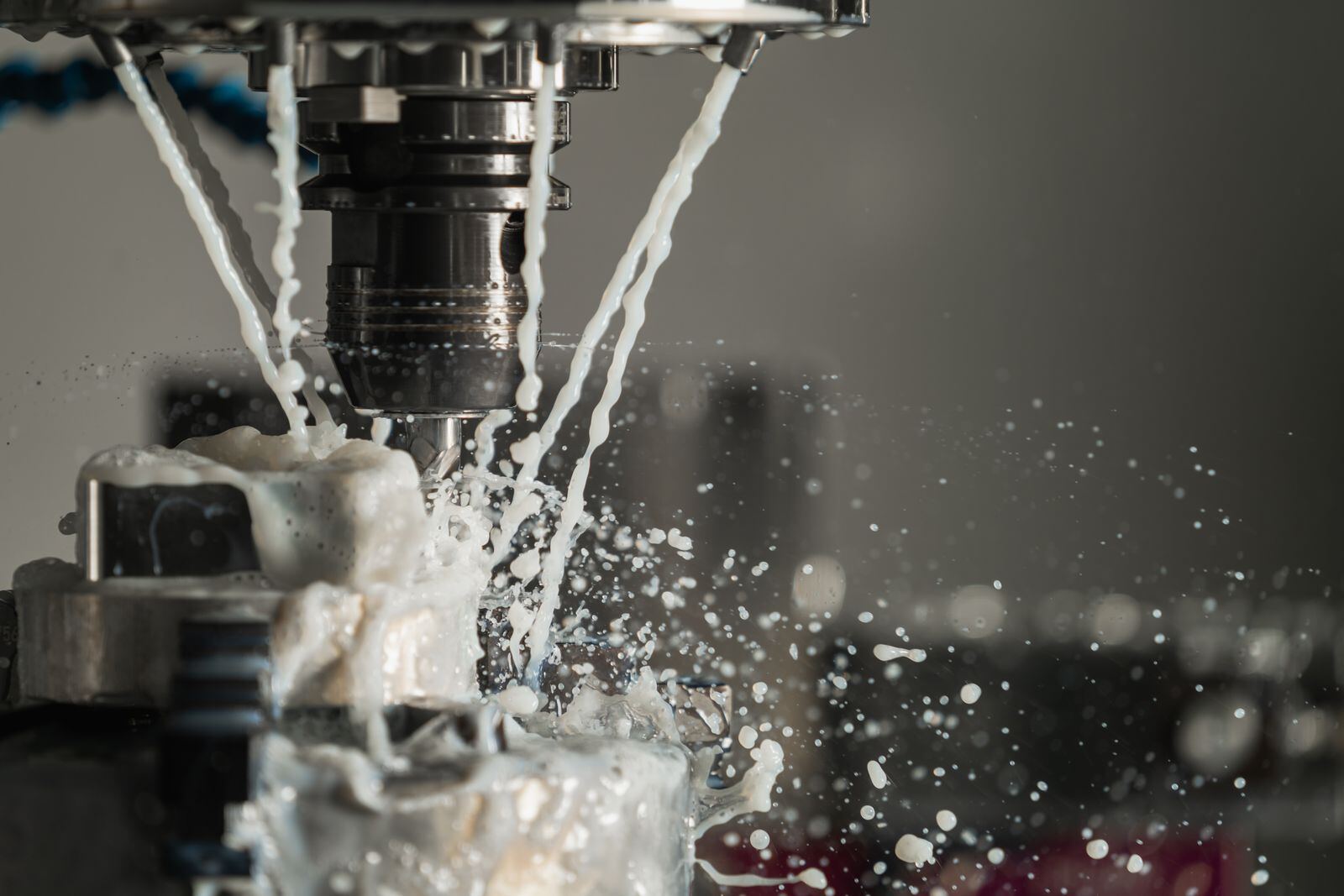
Pressings and metal finishing built Birmingham's industrial estates, and the plant is still there. Power presses, press brakes, guillotines and coil handling kit in Tyseley and Witton, machining centres in the automotive supply chain around Minworth and Castle Bromwich, and plating and polishing lines in the older units at Aston and Saltley.
That plant is heavy, and it is often in a building that was never designed for a modern rigger. Selling it well means cataloguing it properly and being honest about how it comes out.
We run machinery auctions across the city for firms that are closing, moving, downsizing or losing a contract. Each machine is listed with the specification the trade wants, the sale runs online for a week or two, and collection is managed by us on fixed days. Use the contact form to tell us what is on the floor.
Press shops and the plant inside them
A press shop sale is different from a machine shop sale. The lots are bigger, and there are fewer of them to move. Removing a 200 tonne power press depends on its weight, its dimensions and the route out, and normally means specialist movers, so the buyer needs the bed size, stroke, shut height and the state of the guarding and controls before they bid.
We catalogue presses with those figures, with photographs of the nameplate and the control panel. Press brakes and guillotines are listed by length and capacity. Coil feeds, decoilers, straighteners and cradles are sold with the press they run with where that makes sense, or separately where they may fetch more on their own.
Bids are placed online and the sale is open to buyers anywhere in the UK, and the press and fabrication trade in West Bromwich, Walsall, Dudley and Coventry is well placed for the viewing day. Late model CNC press brakes have a wider market again.
Planning collection from an inner city yard
Access differs from one Birmingham unit to the next, and the address does not tell you which you have. A narrow road, a shared yard and no turning space change what a machining centre costs to remove, even where a van collecting tooling is unaffected.
So we walk the route when we first visit. We check the door widths, the floor along the way out, the height of the roller shutter and where a lorry can actually stand. Where a machine has to come out through a wall or over a mezzanine, the catalogue says so.
Buyers book and pay for the removal of their lots, including specialist movers for the heavy plant. We agree the collection window and the order with you, attend, and release lots against paid invoices. On a tight site the heavier lifts may need a day of their own. If the landlord wants the unit back quickly, smaller machines and tooling can come to our own premises and sell from there.
What these sales can include
- CNC turning centres
- CNC vertical and horizontal machining centres
- Manual and toolroom lathes
- Milling machines
- Surface and cylindrical grinders
- Press brakes and guillotines
- Laser, plasma and waterjet cutters
- Bandsaws and cold saws
- Radial arm and pillar drills
- Welding sets and positioners
- Coordinate measuring machines
- Tooling, chucks and workholding
- Compressors and dust extraction
- Cranes, hoists and forklifts
Viewing, bidding and the buyer's premium
Machinery sales run as online timed auctions. The catalogue is published with photographs and specifications. Buyers register, view the machines on the viewing day, and bid online until the lots close. The sale is advertised to the engineering trade, and bidding is online and open to buyers across the UK and beyond.
The buyer pays the hammer price plus the buyer's premium. VAT is charged where it applies and shown separately on the buyer's invoice. Ask and we will go through the specifics for your sale. Where a buyer is overseas, they arrange their own export.
Machines are offered as seen under the auction terms, and buyers are expected to inspect before bidding, which is why the viewing day matters. Machines that can be run safely stay connected for the viewing day so your staff can demonstrate them where that is agreed, and everything else is isolated and left safe.
The machinery and engineering auctions page covers what the buyers want to know, what affects demand, reserves and estimates, removal and access, when a private sale beats an auction.
Questions about selling in Birmingham
- We have a mix of presses and CNC machines in Tyseley. Do we sell them in one sale or two?
One sale, usually. A single catalogue covers both types, the viewing day is open to both sets of buyers, and each group bids on its own lots. Splitting into two sales doubles the marketing and the collection days for little gain. The exception is a single late model CNC that is worth a private treaty approach to dealers first. We will tell you if we think that applies, and the rest goes to auction.
- Some of our machines are still on the production line for a customer. Can we sell around them?
Yes. We catalogue the machines you are ready to release now and leave the rest running. The sale can be structured so that the working machines are sold in a second sale once the contract finishes, or added as late lots with a longer collection date. What matters is that the viewing day and collection days do not stop production. We plan those with you so that buyers see the machines without getting in the way of the line.
More questions about machinery auctions
Related services
Guides
- How a commercial asset auction works
A stage by stage account of an online timed auction for business assets. It covers the asset schedule, cataloguing, viewing days, how bidding closes, buyer's premium and VAT, collection and how you get paid.
- Preparing machinery and equipment for sale
What to do before viewing day. Keep the machines that can be run safely available to demonstrate, isolate the rest, clean but do not repaint, find the tooling and manuals, and sort out access for removal.
- How used machinery is valued
Buyers pay for what a machine will do for them, less what it costs to get it out and running. This guide explains how make, hours, tooling, demand and removal cost feed a guide price, and why that price is not book value.