 Britannia Auctions
Machinery and engineering auctions in Glasgow
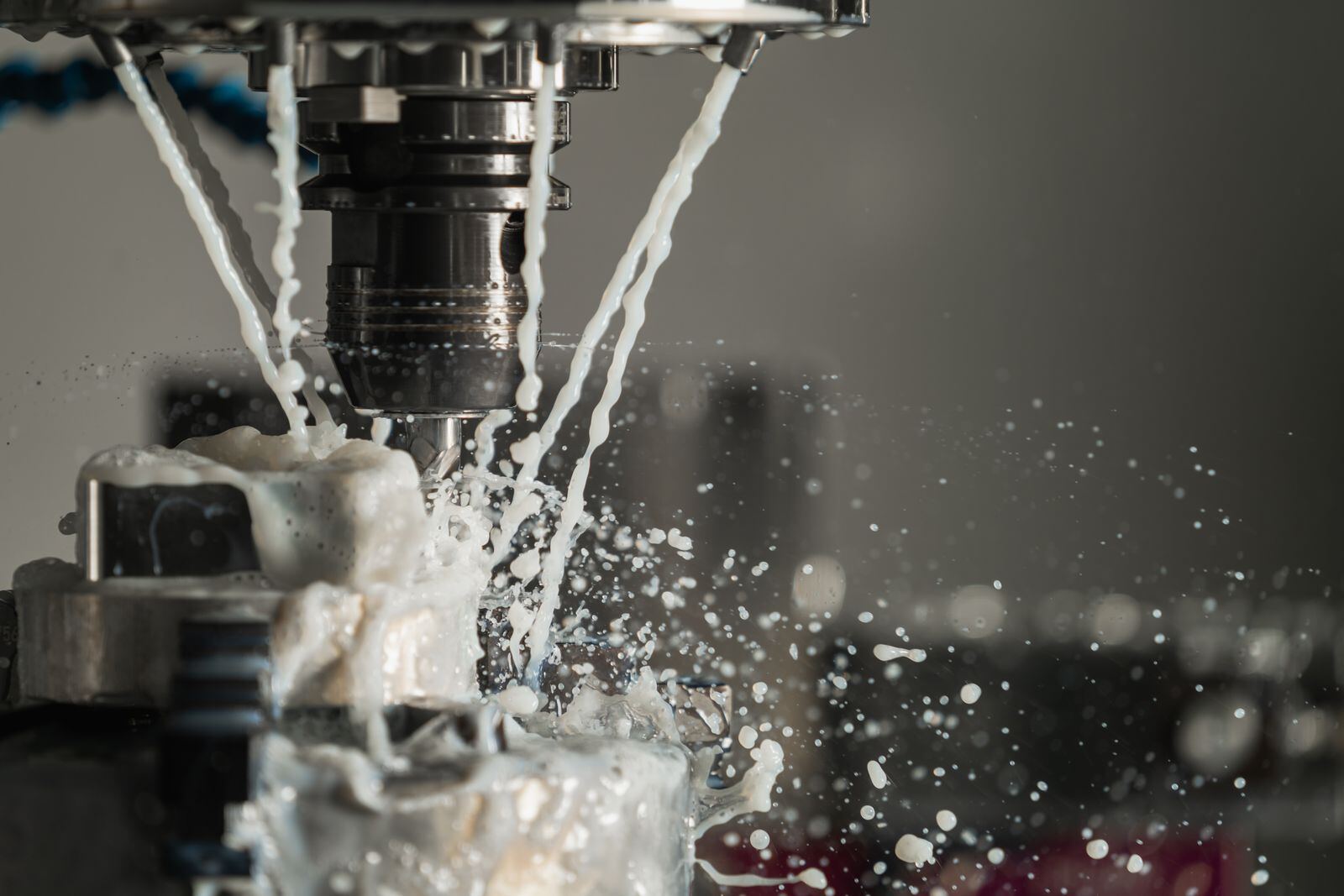
Glasgow holds the largest concentration of engineering in Scotland, and that shapes a sale here. A machine shop from Hillington or a fabrication firm from Queenslie goes in front of a trade that runs from Paisley and East Kilbride to Motherwell and Cumbernauld, all close enough to inspect the lots before the sale closes, as well as online across the UK.
That depth matters most for the ordinary machines. CNC turning centres, vertical machining centres, manual lathes and mills, press brakes, guillotines and saws, the plant a jobbing shop needs, where a buyer close by may collect in a van or on a hired low loader instead of paying for a longer move.
We catalogue on site, sell online and manage the collection days. Tell us what is in the shop through the contact form.
Machine shops and the automotive trade at Hillington
Hillington puts engineering and automotive firms side by side. Vehicle workshops, precision subcontractors, fabricators and maintenance firms sit on the same park, so a machine sold there stands close to businesses that use the same kit. Distance still affects what a buyer will pay, because the cost of removal and transport is part of every bid.
We still catalogue as if every buyer is remote. Make, model, year, control, capacities, tooling included, and photographs of the control screen, the ways, the tooling and any damage. The local trade uses the catalogue to decide whether to view, and the rest of the UK uses it to decide whether to bid unseen.
Queenslie and Clydesmill are more mixed, with packaging, food, printing and distribution beside the engineering. The maintenance workshops in those plants produce smaller lots, lathes and mills and welding sets and compressors, that go into a general sale and suit the whole trade.
Reaching the estates without crossing the city
Removal in Glasgow turns on the unit rather than the size of the city. Hillington sits on the M8 at junction 26, Queenslie is beside the M8 in the east and Clydesmill is off the M74, so the road leg is rarely the difficulty. What we check on the first visit is the door, the floor, the turning space and the point a lorry can load from.
The older sites along the Clyde are different. Clydebank, Rutherglen, Cambuslang and the Clyde Gateway have units from an earlier era, some with craneage from an earlier trade, some with yards that were never meant for an articulated lorry. We walk the route out when we walk the site and describe it in the catalogue, so the rigger prices the job before the bidding.
The collection order is agreed with you and set by the site, so that two movers are not fighting over one yard. Buyers in Paisley, Hamilton, Coatbridge and Airdrie are within collecting distance, and buyers further off send a haulier. We attend and let lots go only when they have been paid for.
What these sales can include
- CNC turning centres
- CNC vertical and horizontal machining centres
- Manual and toolroom lathes
- Milling machines
- Surface and cylindrical grinders
- Press brakes and guillotines
- Laser, plasma and waterjet cutters
- Bandsaws and cold saws
- Radial arm and pillar drills
- Welding sets and positioners
- Coordinate measuring machines
- Tooling, chucks and workholding
- Compressors and dust extraction
- Cranes, hoists and forklifts
Viewing, bidding and the buyer's premium
Machinery sales run as online timed auctions. The catalogue is published with photographs and specifications. Buyers register, view the machines on the viewing day, and bid online until the lots close. The sale is advertised to the engineering trade, and bidding is online and open to buyers across the UK and beyond.
The buyer pays the hammer price plus the buyer's premium. VAT is charged where it applies and shown separately on the buyer's invoice. Ask and we will go through the specifics for your sale. Where a buyer is overseas, they arrange their own export.
Machines are offered as seen under the auction terms, and buyers are expected to inspect before bidding, which is why the viewing day matters. Machines that can be run safely stay connected for the viewing day so your staff can demonstrate them where that is agreed, and everything else is isolated and left safe.
The machinery and engineering auctions page covers what the buyers want to know, what affects demand, reserves and estimates, removal and access, when a private sale beats an auction.
Questions about selling in Glasgow
- We are moving to a smaller unit and only want to sell what will not fit. Can you sell part of a shop?
Yes. A partial sale is common when a firm downsizes or moves. We catalogue only the machines you are releasing, and we work the viewing and collection days around a shop that is still in production. The main thing to agree early is the sequence, so the machines coming out are not behind the ones staying. If the lots are few, we may add them to a wider sale so they sit in a bigger catalogue rather than a sale of their own.
- How do buyers from England and abroad get a machine home from a Glasgow sale?
They appoint a machinery mover and the mover does the rest. The buyer arranges and pays for removal and transport, and we give the mover access on the collection days and the site details they need. The main estates sit on the motorway network, which keeps the road leg short. For a buyer outside the UK the mover arranges export packing and shipping. What distance changes is the cost of removal, and that is part of every bid.
More questions about machinery auctions
Related services
Guides
- How a commercial asset auction works
A stage by stage account of an online timed auction for business assets. It covers the asset schedule, cataloguing, viewing days, how bidding closes, buyer's premium and VAT, collection and how you get paid.
- Preparing machinery and equipment for sale
What to do before viewing day. Keep the machines that can be run safely available to demonstrate, isolate the rest, clean but do not repaint, find the tooling and manuals, and sort out access for removal.
- How used machinery is valued
Buyers pay for what a machine will do for them, less what it costs to get it out and running. This guide explains how make, hours, tooling, demand and removal cost feed a guide price, and why that price is not book value.