 Britannia Auctions
Plant and construction equipment auctions in Hull
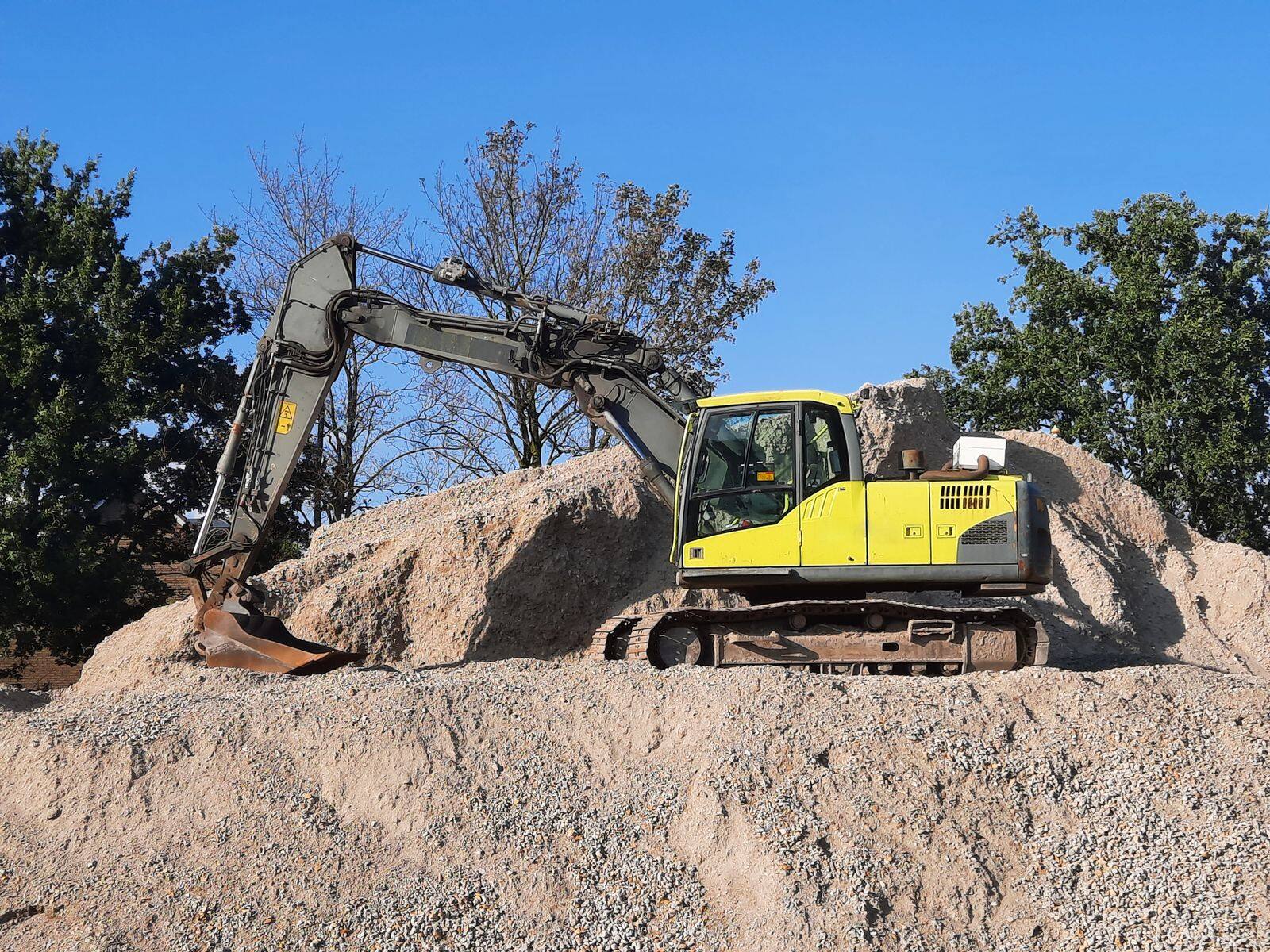
Ground in Hull is low and flat, and the plant that works it shows that. Groundworks here is drainage and pumping more than cut and fill, so the contractors' yards on Sutton Fields and out along Hedon Road hold tracked excavators, dumpers, trench boxes, pumps and the small compaction plant that goes with them. The port work at King George Dock and the wind blade factory at Alexandra Dock add telehandlers, heavy forklifts, generators and lighting towers.
When a contract finishes or a firm winds up, we sell that plant by online timed auction. Bidding runs for a week or two, there is a viewing day at the yard before the close, and collection follows in a fixed window after payment.
The contact form is the place to start. A list of machines, their hours and where they are parked will do.
One road in from the M62
The M62 ends at junction 38 and the A63 carries everything from there into the city. That is the route a low loader takes and the route most buyers from the west take. Sutton Fields and Priory Park sit close to it. The older yards down Stoneferry and along Hedon Road can be tighter, and a machine on a narrow street behind a wall may need a plant trailer rather than a step frame.
Which it is gets settled when we walk the site rather than on collection day. We check the gate, the turning space, the hard standing, the loading point and the road outside, and the collection method goes in the lot description so a buyer does not turn up with the wrong lorry.
The Humber Bridge is the other road that matters, putting Barton-upon-Humber and the north Lincolnshire trade well placed to attend the viewing, with Beverley, Driffield, Goole and Cottingham in the other directions.
Pumps and drainage plant need their own numbers
A catalogue from a Hull groundworks firm looks different from one in the Pennines. There are more pumps, more trench boxes and shoring, more long reach excavators and more low ground pressure dumpers than a contractor on firm ground would own. Kit like that is described with the numbers its buyers ask for. A pump wants its bore and its head. A trench box wants its panel size and its depth rating. A long reach machine wants the reach and the bucket size, and the base machine's hours and year.
We lot those items separately rather than as a job lot, so the pumps can be bid on without the excavator and the excavator without the pumps. Bidding is online and open nationally, the land drainage trade across the East Riding is well placed to come and look before bidding closes, and the port is on the doorstep for anything that is being shipped.
What these sales can include
- Excavators and mini diggers
- Dumpers and site dumpers
- Telehandlers
- Generators and lighting towers
- Compressors and breakers
- Rollers and compaction equipment
- Site cabins and welfare units
- Scaffolding and access equipment
- Concrete mixers and pumps
- Buckets, quick hitches and attachments
- Plant trailers
- Surveying equipment and small tools
- Fuel bowsers and tanks
How the auction works
Each machine is a lot with a full description, photographs and the hour reading. Bidding runs online for a set period, usually one to two weeks, and lots close in sequence. A bid in the last minutes extends the close for that lot.
Plant is offered as seen under the auction terms, and buyers are expected to inspect before bidding. The buyer pays the hammer price plus a buyer's premium, with VAT charged where it applies and shown separately on the invoice. Payment is required before removal.
Buyers arrange and pay for the removal of their lots within the agreed window. What that takes depends on the machine: wheeled plant with road registration can be driven away, and tracked or heavy machines go on a low loader. Nothing leaves the site until it is paid for and signed out.
The plant and construction equipment auctions page covers what buyers want to know, finance and ownership checks, where the sale runs from, reserves and the market, alternatives.
Questions about selling in Hull
- We hire plant to the caravan factories for yard work. Is a fleet of telehandlers and forklifts a plant sale or a fork truck sale?
Both, and it does not matter to the buyer. Telehandlers and forklifts sit in the same catalogue and are described the same way, with the lift capacity, the hours, the year and the current LOLER certificate. Machines that have only ever moved caravan chassis around a yard often carry low hours for their age, and we say so where the meter and the records support it. What each one makes depends on condition, specification and certification as much as on the badge.
- Our yard floods in winter. Should we sell before then?
If the plant is not working, there is a case for it. A machine that sits through a wet winter on soft ground can come out worse than it went in, with corrosion on the pins and water where it should not be, and condition is one of the things the bidding follows. A viewing day is easier on dry ground too, where buyers can walk the yard and the machines that can safely be run are started. We will give you a view on the timing before you commit.
More questions about plant and construction
Related services
Guides
- How used machinery is valued
Buyers pay for what a machine will do for them, less what it costs to get it out and running. This guide explains how make, hours, tooling, demand and removal cost feed a guide price, and why that price is not book value.
- Selling a commercial vehicle fleet
Fleet sales turn on paperwork as much as on price. This guide covers the V5C, MOT and plating documents, clearing finance before listing, keys and livery, recording mileage and tachograph data, and how to defleet in batches while still trading.