 Britannia Auctions
Private treaty sales in Leeds
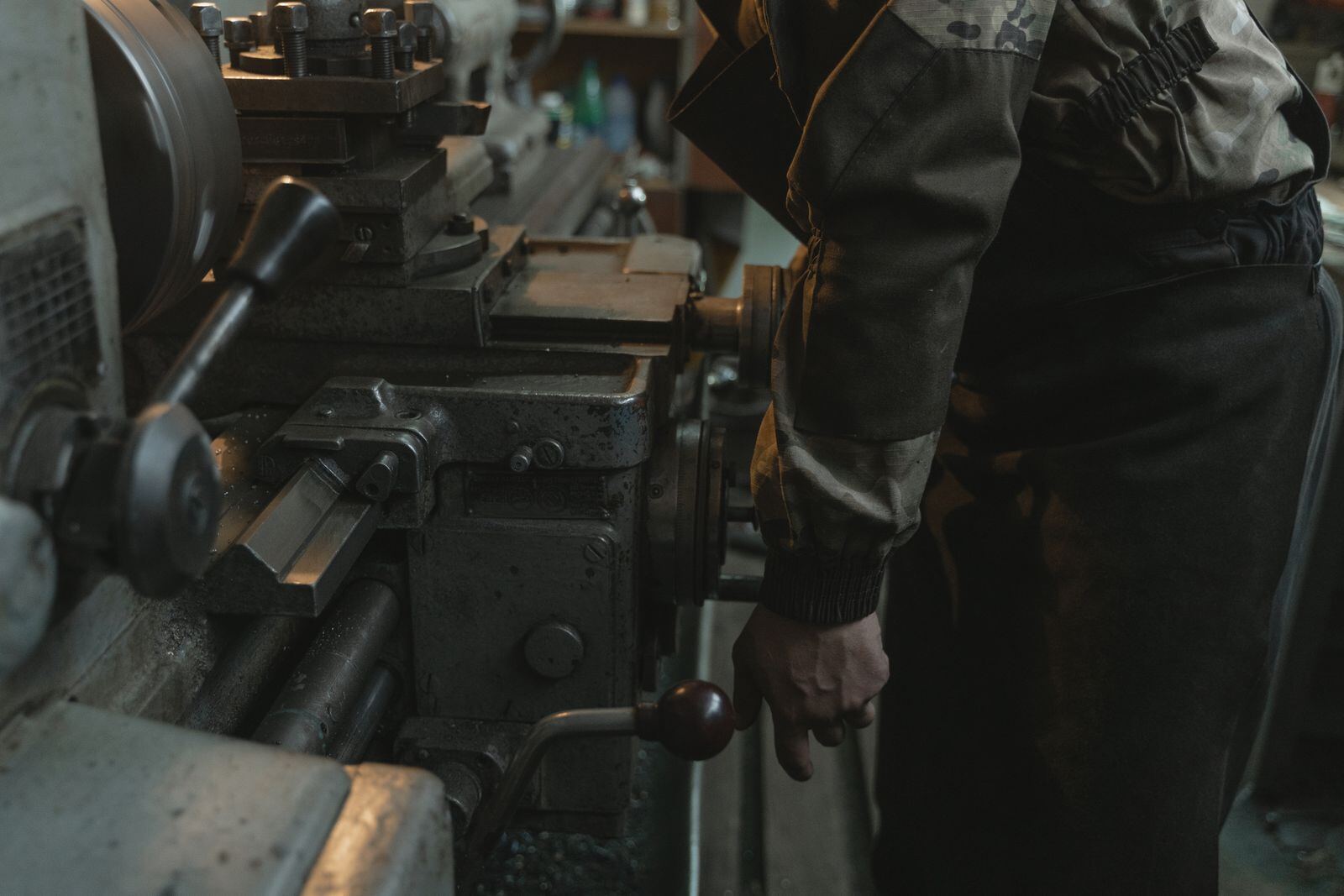
Printers replace presses, and the old press has to go somewhere. It is usually the single most valuable thing in the building, and it is bolted to the floor. The number of firms in the UK who could use it is small. That is a private treaty sale. We handle it the same way for a packaging line in Cross Green, a cooking line in Stourton, a late model crusher from a construction firm in Hunslet or a generator set from a plant hire yard.
The sale is negotiated rather than auctioned. We prepare a full description with photographs and service history, approach the printers and dealers who trade in that type of press, including any we know of who are looking, and put every offer to you in writing with our recommendation. You keep control of the price and the timing. Our fee is agreed in writing before marketing starts, and nothing is published while the press is still running.
Print presses and other big single machines
Print is the obvious one in Leeds. A sheetfed press with a few years on it, a web press, a folder gluer or a die cutter from the packaging firms. The likely buyers are other printers, in Bradford, Wakefield, Huddersfield and across the UK, and the specialist dealers who move presses between countries. Expect questions on unit count, impressions, format, coater and the service contract history, because condition and record keeping bear directly on the offer.
Food production is next. A cooking line or a packing line from one of the southern estates has a small pool of buyers who all know each other. Then the construction and plant hire firms, whose late model excavators, crushers and generator sets can suit an end user one at a time rather than a catalogue of lots.
For each of these the approach is the same. Full description, direct contact with the known buyers, offers in writing, sealed bids where there is competition.
Selling before the new machine arrives
A press sale is often driven by an installation date. The new press is ordered and the floor space is needed. The old one must be out and the slab made good before the riggers arrive. That gives us a fixed date to work back from, which suits a negotiated sale well. We start marketing as soon as the order is placed, take offers while the press is still in production, and fix a removal window that lands between the last job and the installation.
The southern estates sit close to the M621 and the M1, and the approach, the yard and the door are checked before the removal is described. Older buildings in Kirkstall or Hunslet may need the press split further and a crane at the door, and the description says so.
Where the dates do not line up we can move the press to our own premises and continue the sale from there. It costs more, and it is an option where the dates leave no alternative.
What these sales can include
- CNC machining centres and lathes
- Printing presses
- Injection moulding machines
- Packaging lines
- Large generators and switchgear
- Cranes and heavy lifting equipment
- Specialist process plant
- Laboratory and test equipment
- Complete production cells
- Late model plant and vehicles
- Marine and rail equipment
- High value catering and bakery lines
How we market the asset
We inspect the asset, or have it inspected, and prepare a description with photographs, specification, condition and any service history. We then approach buyers directly: dealers who trade in that type of machine, and end users the asset suits. The asset can be advertised openly or offered only to selected parties. How open we are depends on how much confidentiality you need.
Interested buyers inspect by appointment. We attend or arrange access, answer questions and take offers. You are kept informed at each stage but do not have to deal with the buyers yourself.
There is no fixed end date. A private treaty sale takes as long as it takes to find the right buyer at the right price, which is one of its advantages and one of its costs.
The private treaty sales page covers when private treaty beats auction, how offers are handled, fees and what you receive, what to prepare.
Questions about selling in Leeds
- Does the buyer take the press down or do I?
The buyer, and at their cost. Press dismantling is specialist work and a buyer usually brings a rigger they trust, often the firm that will install it at the other end. Electrical disconnection is by qualified people. The description sets out who isolates the services, who splits the units, who makes good the floor, and the window in which it happens. If you would rather have it down and on pallets before marketing, that can be arranged, though a press that can be shown running is easier to describe.
- Is a private treaty sale worthwhile for a generator or an excavator?
For a single late model machine it is worth considering. A large generator set or a recent excavator from a plant hire yard suits end users in Castleford, Wakefield, Dewsbury and further afield, and a negotiated sale puts the hours and the service record in front of them before they commit. If the offers do not reach your figure, the machine can go into an auction instead. For older or smaller plant, and for a fleet of several machines, an auction usually suits better and we will say so.
More questions about private treaty
Related services
Guides
- Auction or private treaty: which route to choose
Auction gives you a fixed date and an open market. Private treaty gives you a negotiated price and privacy. This guide sets out when each route suits, what you give up with each, and why many sales use both.
- What happens to unsold lots
Not every lot sells, but the site still has to be cleared. This guide covers why lots go unsold, private treaty after the sale, lowering or removing the reserve, a later sale, scrap and WEEE recycling, and what disposal costs.