 Britannia Auctions
Private treaty sales in Birmingham
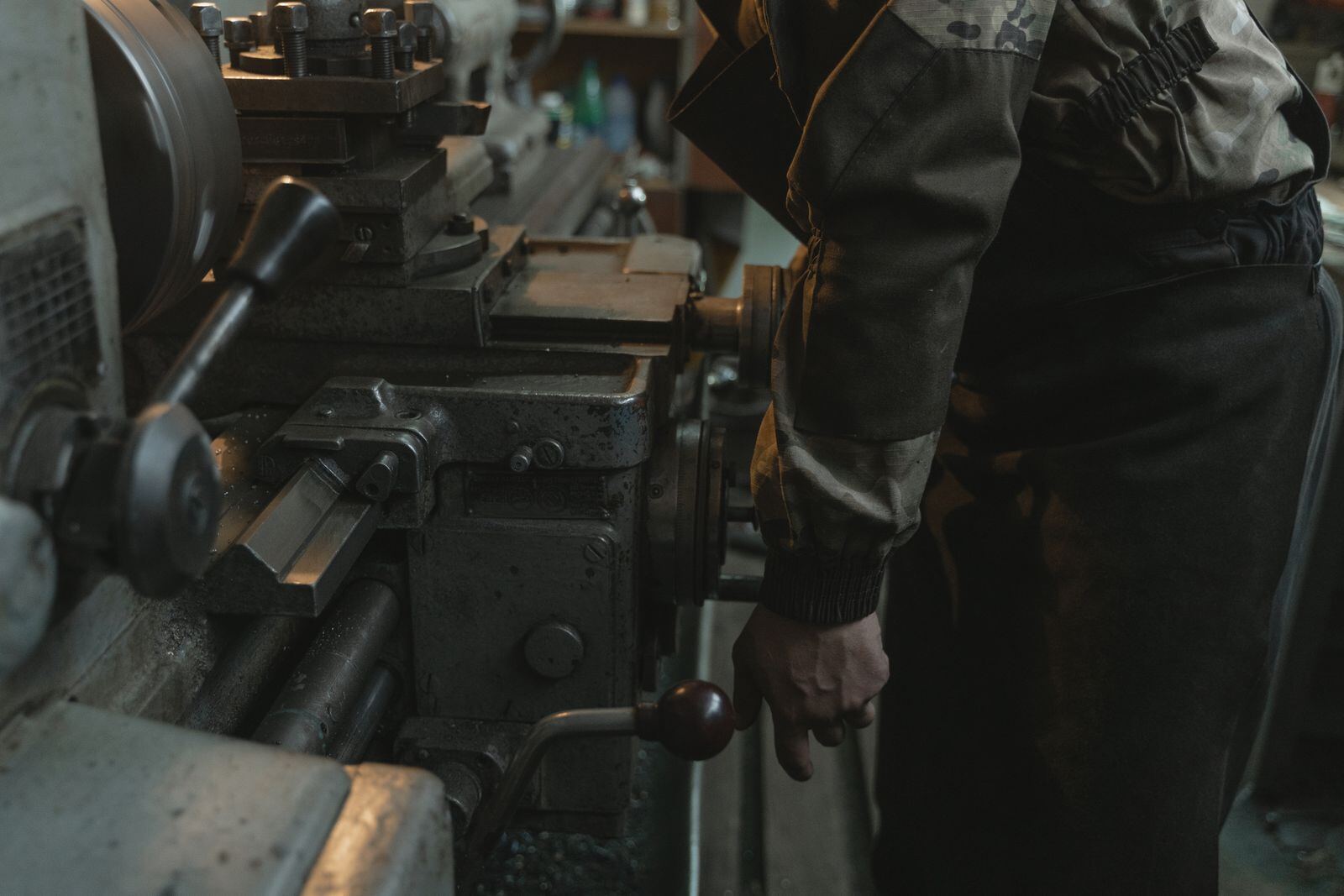
A public auction catalogue is visible to customers and competitors. For a pressings firm in Witton selling a transfer press, that can say more about the business than you intend, weeks before the sale closes. Private treaty avoids it. We market the press to buyers who deal in that type of machine, take offers in writing, and agree a price on your instruction without a public listing.
The city holds a deep base of heavy metalworking. Power presses, press brakes, robot welding cells and plating lines sit in shops across Birmingham and the Black Country, and they come to market as contracts move between suppliers. Where a single machine carries most of the value on a site, a negotiated sale is worth weighing against a general auction, and it keeps the matter between you and the buyer.
Presses and cells from the supply chain
A large power press or a complete press line has a narrow pool of buyers: the dealers who trade in presses, end users in the Black Country and Coventry, and export interest where the type is still in use. Our job is to reach that pool with the same specification at the same time, then run a sealed bid round with a closing date where more than one party is serious.
The same applies to robot welding cells, plating and finishing lines from Saltley and Tyseley, and late model machining centres from the engineering shops. Expect questions on tonnage, bed size, stroke, control model and hours, and a request to see the machine running. A negotiated sale allows time to inspect properly and to arrange finance, where an auction works to a viewing day and a closing time. For a machine of this size that difference is worth considering.
Planning the removal before the price is agreed
Access is checked at the site visit rather than assumed from the address. On an inner city site we look at the approach road, the turning space, the shared yard, the door dimensions and the floor, and at what a press bedded into a foundation pit needs to come out. That can mean a rigging contractor, a plan agreed with the landlord and, on some sites, a road closure.
We settle all of that before offers are invited, because a buyer who finds out about the pit after they have made their offer will want to renegotiate. The description sets out what is included, who disconnects, who makes good the floor, and the collection window.
The trade in Walsall, Dudley, West Bromwich and Solihull is within easy reach for an inspection. Junctions 5 to 7 of the M6 and the M42 to the east give the outer estates near Minworth a road route from the rest of the country, and the buyer's rigger prices that route as part of their offer.
What these sales can include
- CNC machining centres and lathes
- Printing presses
- Injection moulding machines
- Packaging lines
- Large generators and switchgear
- Cranes and heavy lifting equipment
- Specialist process plant
- Laboratory and test equipment
- Complete production cells
- Late model plant and vehicles
- Marine and rail equipment
- High value catering and bakery lines
How we market the asset
We inspect the asset, or have it inspected, and prepare a description with photographs, specification, condition and any service history. We then approach buyers directly: dealers who trade in that type of machine, and end users the asset suits. The asset can be advertised openly or offered only to selected parties. How open we are depends on how much confidentiality you need.
Interested buyers inspect by appointment. We attend or arrange access, answer questions and take offers. You are kept informed at each stage but do not have to deal with the buyers yourself.
There is no fixed end date. A private treaty sale takes as long as it takes to find the right buyer at the right price, which is one of its advantages and one of its costs.
The private treaty sales page covers when private treaty beats auction, how offers are handled, fees and what you receive, what to prepare.
Questions about selling in Birmingham
- Can a buyer from overseas buy a press from a Birmingham unit?
Yes, and where export interest exists we market to it. Dealers who ship presses are approached alongside UK end users, and a buyer abroad can have the machine inspected on their behalf or sent a video of it running under load. Payment reaches us in cleared funds before anything is disconnected. The buyer's forwarder then handles the dismantling, packing, loading and shipping through their own rigger, to a plan agreed with you and the landlord in writing.
- What if only one dealer makes an offer?
It happens with specialist plant, and a single offer is still a sale if the price is right. We put the offer to you in writing with our view of where it sits against the market, and you decide. If you reject it we keep marketing, widen the search to end users abroad, or hold the machine back for a later auction where the buyer pool is different. Nothing is accepted on your behalf without your instruction.
More questions about private treaty
Related services
Guides
- Auction or private treaty: which route to choose
Auction gives you a fixed date and an open market. Private treaty gives you a negotiated price and privacy. This guide sets out when each route suits, what you give up with each, and why many sales use both.
- What happens to unsold lots
Not every lot sells, but the site still has to be cleared. This guide covers why lots go unsold, private treaty after the sale, lowering or removing the reserve, a later sale, scrap and WEEE recycling, and what disposal costs.