 Britannia Auctions
Private treaty sales in Sheffield
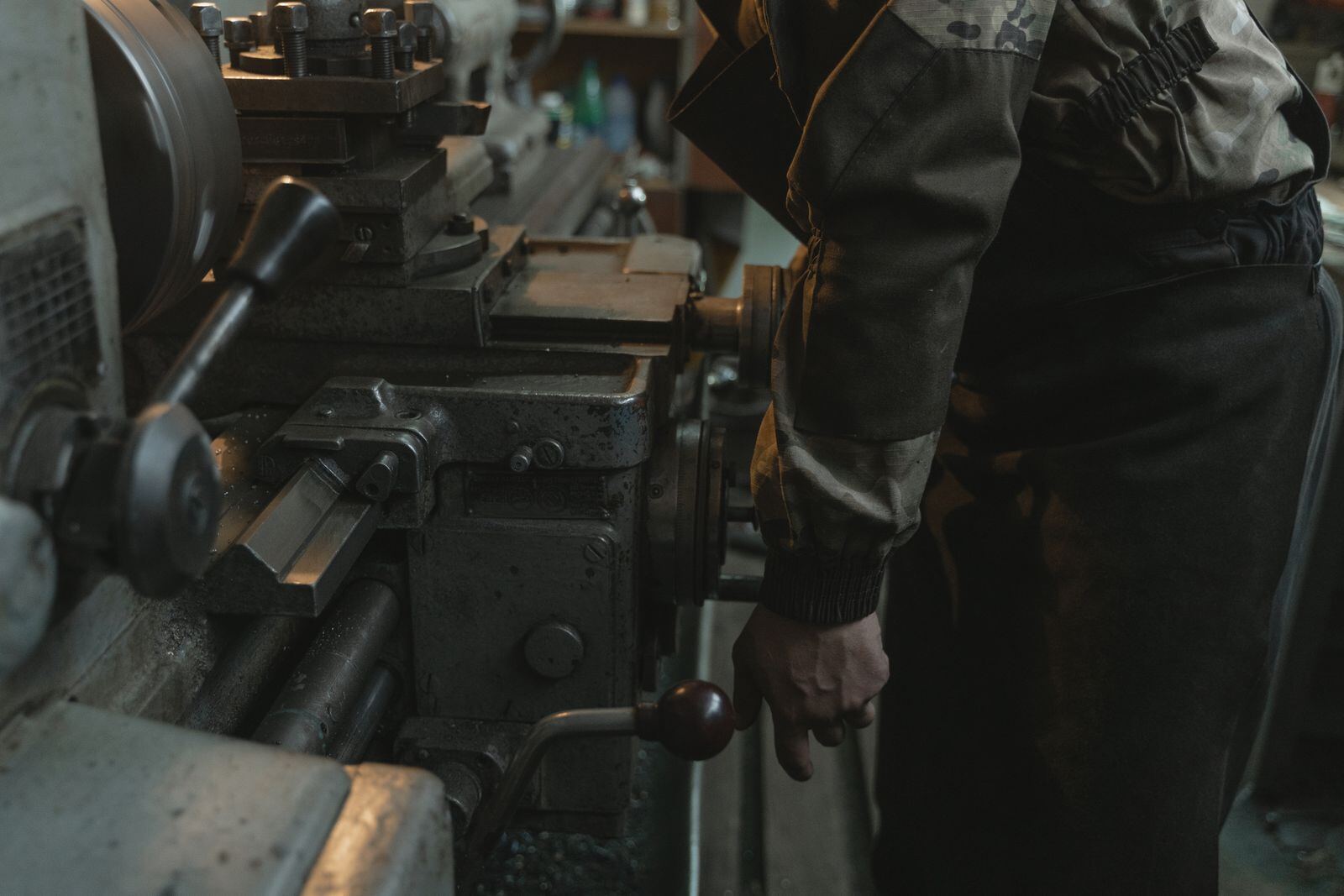
A large forging press is about the clearest case for private treaty there is. The buyers can be counted on one hand, and a removal of that size takes planning rather than a week's notice. The Lower Don Valley still holds a great deal of this plant, and when a forge or a machine shop in Attercliffe or Tinsley retires a machine, a negotiated sale is the route to weigh first.
We inspect the machine, write it up properly, put it in front of the dealers and end users who trade in it, and handle the offers. You decide which one to take. Our fee is agreed in writing before marketing starts. Nothing is published, and nothing is announced, until the press has gone.
Heavy metalworking plant and where it goes
The assets we sell by private treaty from the Don Valley are heavy and specialist. Forging presses and hammers, large horizontal borers, vertical turning lathes, ring rolling mills and heat treatment furnaces. Alongside them, the precision and aerospace firms around Waverley produce five axis machining centres, coordinate measuring machines, grinders and test rigs that are only a few years old and still under support.
The first group suits forges and the dealers who handle export, where interest abroad is possible. The second suits UK subcontractors from Rotherham, Chesterfield and Doncaster, and machine tool dealers who trade in late model stock. Each is approached in its own way. A forge press gets a longer marketing period and a sealed bid deadline. A five axis centre gets a direct approach to the firms that use that type of machine, because a modern machine dates while it stands.
From the foundation to the road
A press or a borer in the Don Valley usually sits on a foundation, under an overhead crane, in a building that has had the same machine in it for decades. Getting it out is engineering, not haulage, and the cost of that work is the difference between two offers.
Before we invite offers we establish what is being sold: the machine, its foundation bolts, the control cabinet, the tooling, and who fills the pit afterwards. The description states the crane capacity on site, the door height, the route to the road, and whether the building can take a mobile crane at the door. Junctions 33 and 34 of the M1 give the Don Valley estates a road route, and what the yard itself allows is checked on the visit rather than assumed.
Offers then come in on the same basis, with the removal priced from findings rather than from guesswork.
What these sales can include
- CNC machining centres and lathes
- Printing presses
- Injection moulding machines
- Packaging lines
- Large generators and switchgear
- Cranes and heavy lifting equipment
- Specialist process plant
- Laboratory and test equipment
- Complete production cells
- Late model plant and vehicles
- Marine and rail equipment
- High value catering and bakery lines
How we market the asset
We inspect the asset, or have it inspected, and prepare a description with photographs, specification, condition and any service history. We then approach buyers directly: dealers who trade in that type of machine, and end users the asset suits. The asset can be advertised openly or offered only to selected parties. How open we are depends on how much confidentiality you need.
Interested buyers inspect by appointment. We attend or arrange access, answer questions and take offers. You are kept informed at each stage but do not have to deal with the buyers yourself.
There is no fixed end date. A private treaty sale takes as long as it takes to find the right buyer at the right price, which is one of its advantages and one of its costs.
The private treaty sales page covers when private treaty beats auction, how offers are handled, fees and what you receive, what to prepare.
Questions about selling in Sheffield
- Is there still a market for older Sheffield forging plant?
There can be, though the market is narrow and export interest is possible where the type is still in use. Forges in other countries run presses and hammers of the kind built here, and the dealers who supply them look for sound machines with tooling and drawings. Age matters less than condition and capacity. A press that has been maintained and can be shown under power is far easier to place than one that has stood cold for years in a damp shed, and we say which we think you have when we walk the site.
- Can I sell the tooling and fixtures with the machine?
Usually you should, if the buyer is an end user. A five axis centre with its holders, fixtures, probes and a pallet system is more use to a subcontractor in Rotherham or Worksop than the bare machine, and tooling on its own rarely draws much. A dealer buying for export may want the machine alone. We list the tooling separately in the description with a note that it is available, and let the offers tell us which kind of buyer we have.
More questions about private treaty
Related services
Guides
- Auction or private treaty: which route to choose
Auction gives you a fixed date and an open market. Private treaty gives you a negotiated price and privacy. This guide sets out when each route suits, what you give up with each, and why many sales use both.
- What happens to unsold lots
Not every lot sells, but the site still has to be cleared. This guide covers why lots go unsold, private treaty after the sale, lowering or removing the reserve, a later sale, scrap and WEEE recycling, and what disposal costs.