 Britannia Auctions
Stock clearance auctions in Derby
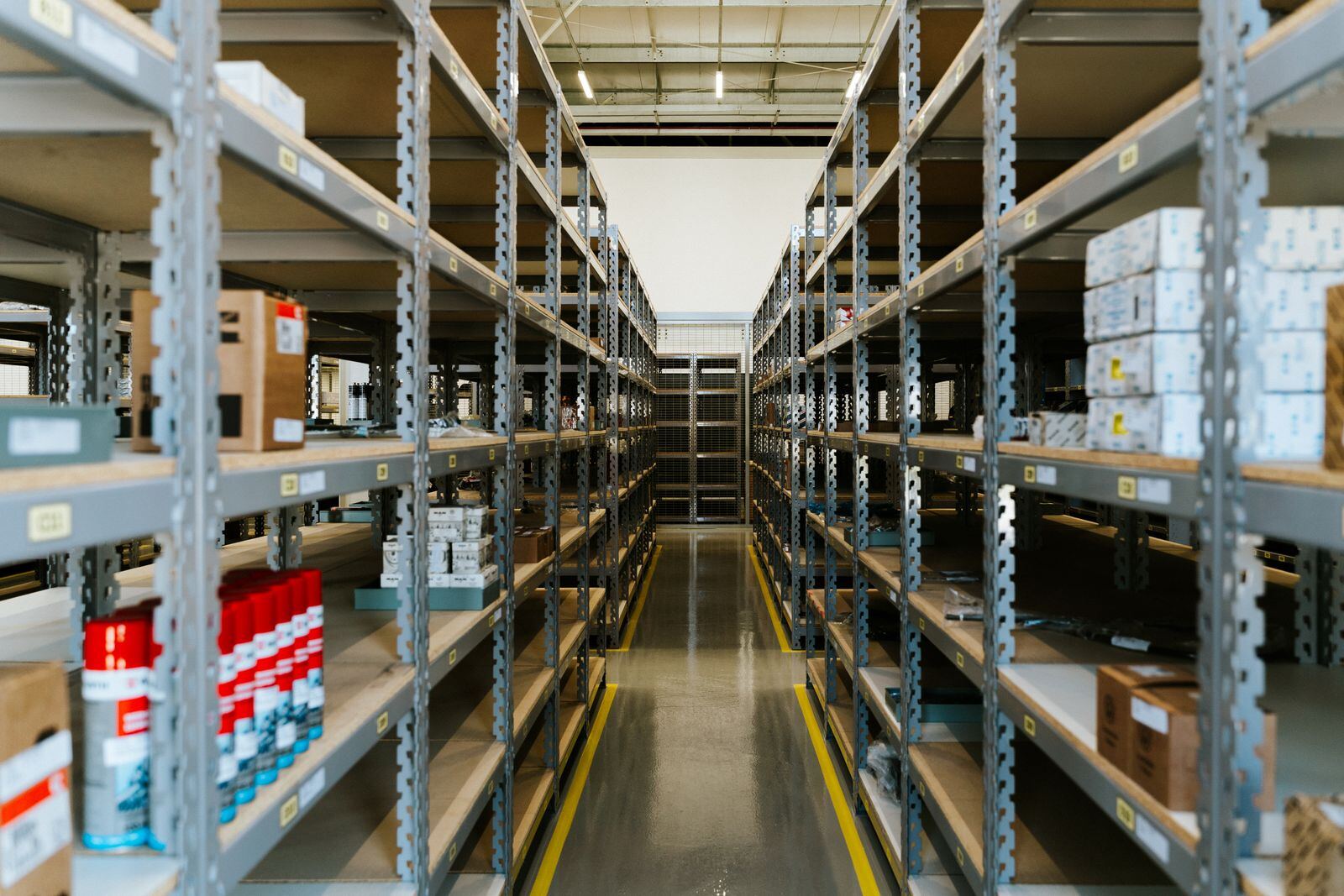
Derby's supply chain buys stock against long programmes, and programmes change. A machining firm on Ascot Drive or Raynesway that tooled up for a five year contract can find itself with pallets of raw bar, boxes of cutting tools, part used jigs and a stores full of fixings when the volumes drop. Rail and automotive suppliers hold spares for fleets that are being withdrawn. None of it is faulty. It is just no longer wanted where it is.
We sell that surplus by online auction to the firms that can use it. Machine shops in the city and across the East Midlands bid for consumables and material. Distributors bid for fixings and hardware. Spares with a known application sell to operators and maintainers, sometimes on the other side of the country.
Viewing is on site, bidding runs for a week to ten days and collection follows in a fixed window. Tell us what is in the stores through the form.
Engineering consumables and spares by the pallet
The trick with a stores clearance is to lot it the way a buyer thinks. A machine shop buyer wants a lot that matches one machine or one process, so inserts, holders, drills and reamers in one size family go together. A maintenance buyer wants spares by system, so bearings, seals, belts and filters for one application go together. A distributor wants volume, so unopened boxes of one item stay in one lot.
We photograph labels and part numbers, and state whether boxes are sealed. Certified material and traceable parts are listed with the paperwork, because in this supply chain a certificate is often the difference between a buyer bidding and passing.
Aerospace grade stock does not always make aerospace prices at auction, because a buyer cannot rely on the certification without the chain of custody. Where that chain is broken it is catalogued as material for the general machine shop trade, and the description says so.
The reach of the sale and how lots leave
Bids are placed online and the sale is open to buyers from every part of the UK. The engineering trade in Nottingham, Burton upon Trent, Ilkeston and Long Eaton, and in the smaller towns in the Derbyshire hills where precision shops are common, is close enough to attend a viewing day, and specialist spares can be catalogued for buyers further afield.
Collection depends on the site. At Sinfin, Osmaston Park and Infinity Park the first visit checks hard standing, turning space and forklift access, and where those are in place a pallet of bar or a stillage of castings loads onto a flatbed without difficulty. Smaller lots go out by van over two or three collection days, with slots booked so that the yard does not fill up.
Where the stores are on a mezzanine or at the back of a working factory, we can pick the lots out and bring them to our own premises before the sale, so buyers never enter the production area.
What these sales can include
- Discontinued product lines
- Overordered components and parts
- Customer returns and graded stock
- Seasonal goods
- Ex display and showroom items
- Packaging and consumables
- Raw materials and fabrics
- Bulk trade stock on pallets
- Tools and hardware
- Homeware and furniture stock
- Clothing and footwear
- Building products and fixings
Running the sale
A stock clearance runs as an online timed auction, open for a week to ten days in most cases. There is a viewing day at your premises, or at the location where the stock has been gathered. Bidders inspect the lots, then bid online until each lot closes.
After the sale, buyers collect within a window agreed with you, usually a few days. Collection is the point where a stock sale needs organising. Buyers arrive with vans and lorries, lots have to be handed to the right person and the paperwork has to match. Our staff manage the door and sign each lot out.
If you cannot host viewing and collection, the stock can be moved to our premises or a third party warehouse where that is agreed. That adds transport cost but keeps the process away from your trading site.
The stock clearance auctions page covers when an auction is the right route, lotting the stock, offered as seen and the buyer's position, alternatives to auction.
Questions about selling in Derby
- Our surplus stock was bought for a customer's programme. Do we need their agreement to sell it?
Only if the contract says so. Free issue material belongs to the customer and goes back to them. Stock you bought and paid for is yours, but many long term supply agreements give the customer a first refusal or restrict sale of parts made to their drawings. Send us the contract, or the clause that deals with surplus and obsolescence, and we will tell you what can be listed openly and what needs a letter first.
- Can rail or vehicle spares be sold to the public?
They are sold to whoever bids, and for most spares that is other operators, maintainers and parts dealers. Safety critical components are the exception. Where a part cannot legally be fitted without traceability or certification, we say so in the catalogue and sell it for what it is, which is usually material or a reference item rather than a serviceable spare. Buyers in this trade understand that and price accordingly.
More questions about stock clearance
Related services
Guides
- What insolvency practitioners need from an auctioneer
For office holders realising physical assets. Covers the instruction letter, the asset schedule and valuation basis, retention of title, finance checks, site security, health and safety during the sale, and the reconciliation you need for the file.
- What happens to unsold lots
Not every lot sells, but the site still has to be cleared. This guide covers why lots go unsold, private treaty after the sale, lowering or removing the reserve, a later sale, scrap and WEEE recycling, and what disposal costs.