 Britannia Auctions
Business relocation and downsizing sales in Leeds
Newer units at Thorpe Park and Leeds Valley Park pull firms out of the older estates in Hunslet and Stourton every year. The new unit has a better yard and a bigger door, and a floor plan that does not suit half the old equipment. Printers find the older press will not fit. Packaging firms leave a line. Metal processing shops leave a guillotine on a foundation. Food producers leave a chiller. All of that has a value, and we sell it.
We run the sale as an online timed auction from the old premises while you are still working there. Lots are catalogued and photographed in place, viewed on one day, and collected after you have moved out.
For a downsizing, where the business is shrinking rather than moving, the same sale runs against a fixed handback date. Either way, the timetable is yours.
Print and packaging kit that will not fit the new unit
Printing and packaging firms are spread across the city, and their moves leave a particular kind of lot. A sheet fed press, a guillotine, a folder or a die cutter is heavy for its footprint, bolted down and dependent on a power supply the new unit may not have. The move date is often set by a client contract, so the sale has to fit around production until the last week.
We catalogue these machines running, with impression counts and service history where you have them, because that is what a printer needs in order to bid. Finishing kit and consumables go in smaller lots, which suit printers in Bradford, Wakefield, Huddersfield and Halifax looking for a spare unit.
Where a press is worth more than the rest of the sale, we will suggest private treaty before the catalogue goes live. Where it is only worth its parts, we will say that too.
Collection from the southern estates
The southern estates are minutes from the M621, M1 and M62, so the trade in Castleford, Dewsbury, Wakefield and York is within an hour of a viewing day. What each unit will take in its yard is checked when we walk the site, and the collection plan and the clearance date are built from that.
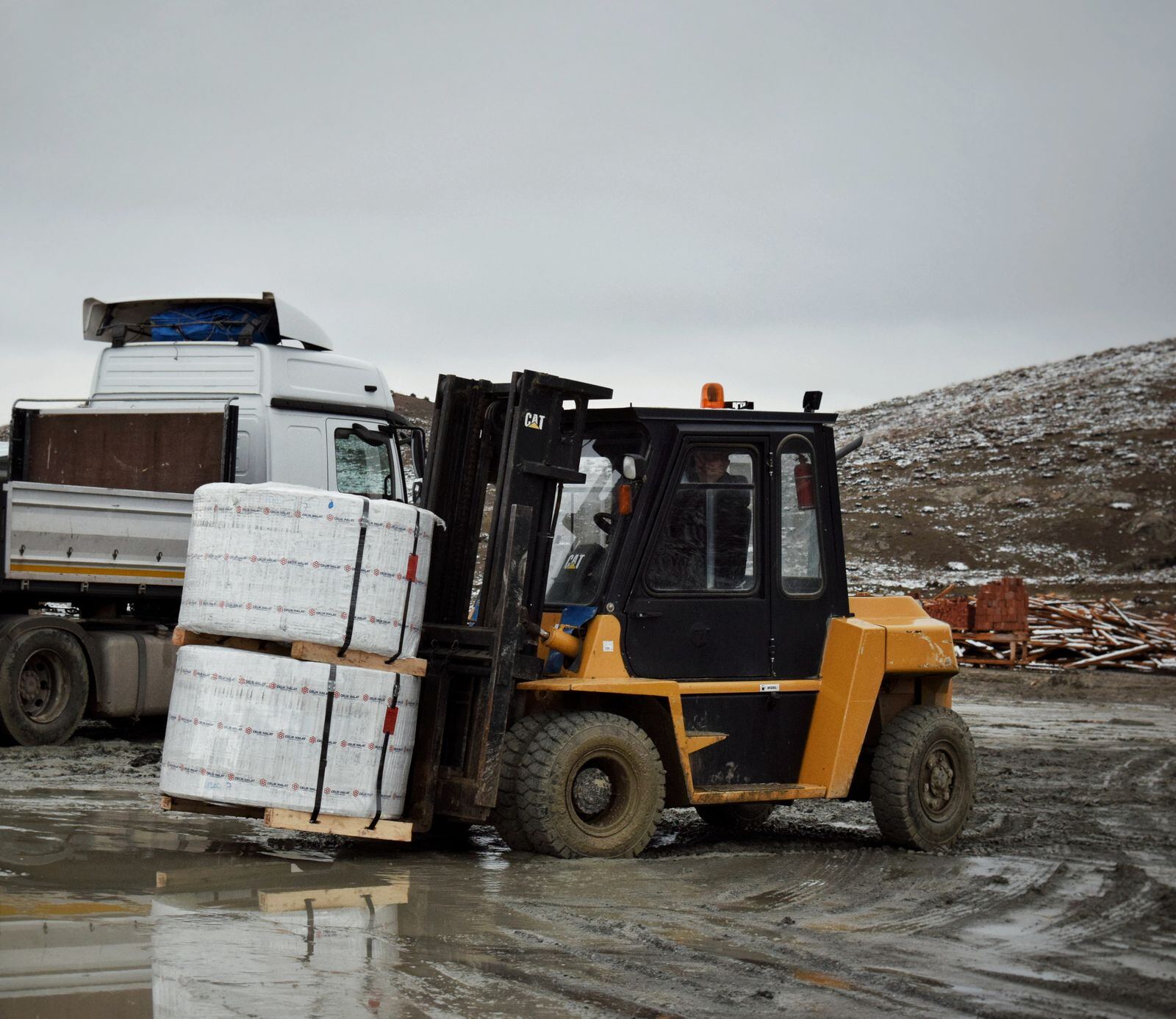
Racking, forklifts, compressors and workshop tooling from the trade counter and distribution units at Stourton are quick lots. Metal processing plant from Hunslet needs a rigger, and we say so in the lot description with the weight where known.
The collection window is set with you once the heavy lots are known, and buyers are booked into slots so that lorries do not queue in the yard. If the new unit is not ready, lots can be held for a short time or collected and sold from our own premises where that is agreed. Older units off the A65 at Kirkstall need the route out walking before anything is promised.
What these sales can include
- CNC machine tools
- Presses and press brakes
- Racking and mezzanine floors
- Forklift trucks
- Air compressors
- Workshop tooling and hand tools
- Office furniture and desks
- IT equipment and servers
- Packing and labelling machines
- Welding equipment
- Extraction and dust collection systems
- Vans and light commercial vehicles
How the sale runs
We visit the site, list the lots and photograph them in place. You tell us which items are moving and which are for sale, and we tag the sale lots so there is no confusion on the shop floor.
The catalogue goes online as a timed auction. Bidding stays open for a set period, usually one to two weeks, and each lot closes at a fixed time with an extension if a bid arrives in the last minutes. We hold a viewing day at your premises, and lots are offered as seen under the auction terms, with buyers expected to inspect first.
After the sale we invoice the buyers and take payment. You are paid once the sale is reconciled and the collection window has closed, from cleared funds, less the agreed commission and any agreed costs. Buyers arrange and pay for removal, and our staff attend to release lots against paid invoices.
The business relocation and downsizing sales page covers when a relocation sale makes sense, timing the sale around the move, what to prepare, valuation and reserves, unsold lots and leftovers.
Questions about selling in Leeds
- We print for retail clients and cannot stop until the week of the move. Does the sale still work?
Yes. Most of the work is done around you. We catalogue on a quiet afternoon, photograph machines while they run, and put the catalogue online with bidding closing a few days before the move. Viewing is one day, by appointment, and buyers do not touch anything that is still in production. Collection starts once you have printed your last job at the old site.
- Is a downsizing sale worth running if we only have a dozen lots?
Often, yes. A dozen good lots from a Leeds workshop, a compressor, a forklift, a guillotine and a run of racking, make a catalogue worth circulating, and the local trade is close enough to view them. If the lots are too few for their own sale, we enter them into our next collective auction instead, with the same terms. There is no minimum job.
More questions about relocation sales
Related services
Guides
- Closing a business: a timeline for selling the assets
Work backwards from the day you hand the site over. This guide covers lease end and dilapidations, when to instruct, when staff should leave, when to keep the power on, and how to leave enough room for collection and making good.
- Selling a commercial vehicle fleet
Fleet sales turn on paperwork as much as on price. This guide covers the V5C, MOT and plating documents, clearing finance before listing, keys and livery, recording mileage and tachograph data, and how to defleet in batches while still trading.