 Britannia Auctions
Business relocation and downsizing sales in Sheffield
The floor tells you what will move. In a Sheffield toolroom or forge the newer CNC machines and the inspection kit go to the new unit, and the older centre lathes, the manual mill, the horizontal borer that has not turned in a year and the press on its own foundation stay where they are. The Don Valley is full of firms that have made that choice on the way to a newer unit on the Parkway or at Waverley.
We sell what stays. The lots are catalogued in place, sold by online timed auction and collected in a fixed window after you have moved. Heavy plant is common in the valley, so the engineering trade and the specialist movers who serve it are close at hand.
For a downsizing, the list of what moves is shorter and the deadline is often firmer. We work back from the day the old premises are handed over.
Heavy plant left behind in the valley
The Attercliffe and Tinsley estates were laid out for industry, and we check each site to see what that means in practice: the road, the gate, the yard and the room a crane needs. What a press or a large machine tool requires to come out then goes in the lot description.
The decision on each machine is the same one the main service page describes. If it needs a new foundation and recommissioning at the other end, the transport cost often exceeds what the machine would raise, and it is better sold. We give a view on each lot at the site visit.
What the valley uses is what a catalogue from the valley holds. Presses, forging hammers, sawing and drilling plant, and the tooling and gauges that go with them, suit engineering shops in Rotherham, Barnsley, Chesterfield and Doncaster, with bidding open online.
What a toolroom move usually leaves
A toolroom move is decided by accuracy. The machines that hold a tolerance go, and the rest are sold. That usually means a batch of manual mills and lathes, surface grinders, a spark eroder or two, bandsaws, and drawers of tooling and measuring equipment. Individually these are modest lots. Together they make a catalogue that the small engineering shops of South Yorkshire and North Derbyshire have reason to look at.
Advanced manufacturing firms at Waverley leave a different mix, with test rigs, compressors, benches and lab equipment. We catalogue them with the same care.
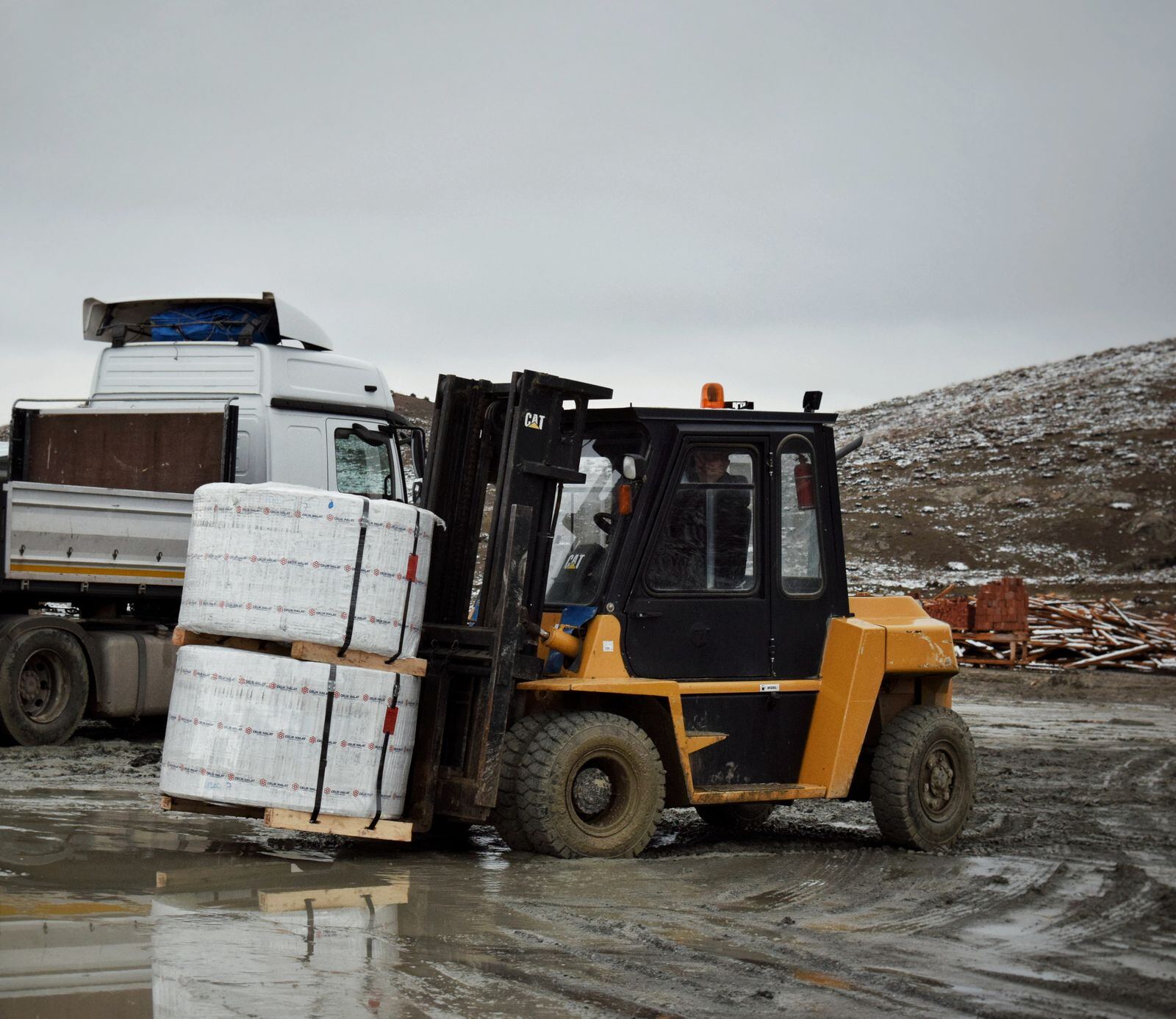
Tooling is sorted and photographed by type so that a bidder can see what is in each lot, and we spend the time on it. Viewing is on one day before the auction closes, and the collection window is set from there. Most of it leaves in vans, and a forklift on site helps.
What these sales can include
- CNC machine tools
- Presses and press brakes
- Racking and mezzanine floors
- Forklift trucks
- Air compressors
- Workshop tooling and hand tools
- Office furniture and desks
- IT equipment and servers
- Packing and labelling machines
- Welding equipment
- Extraction and dust collection systems
- Vans and light commercial vehicles
How the sale runs
We visit the site, list the lots and photograph them in place. You tell us which items are moving and which are for sale, and we tag the sale lots so there is no confusion on the shop floor.
The catalogue goes online as a timed auction. Bidding stays open for a set period, usually one to two weeks, and each lot closes at a fixed time with an extension if a bid arrives in the last minutes. We hold a viewing day at your premises, and lots are offered as seen under the auction terms, with buyers expected to inspect first.
After the sale we invoice the buyers and take payment. You are paid once the sale is reconciled and the collection window has closed, from cleared funds, less the agreed commission and any agreed costs. Buyers arrange and pay for removal, and our staff attend to release lots against paid invoices.
The business relocation and downsizing sales page covers when a relocation sale makes sense, timing the sale around the move, what to prepare, valuation and reserves, unsold lots and leftovers.
Questions about selling in Sheffield
- Our press sits on its own foundation. Is it worth selling in place or scrapping?
Offer it in place if it runs. Presses are still used across South Yorkshire and the Midlands, and a working machine with its tonnage, bed size and foundation described is a lot a bidder can price. Scrap is the fallback rather than the first choice. We photograph it under power, list the bed size and tonnage, and set a reserve with you. If it fails to sell, the scrap option is still there afterwards.
- We are moving from Attercliffe to Waverley in stages. Can you sell in stages too?
Yes. Some firms move a department at a time and want the old bays cleared as they go. We can run one auction with staged collection, or two smaller sales a few weeks apart. The second suits firms that do not yet know what will fit the new floor. The first is cheaper to run and keeps every lot in one catalogue. We talk it through when we first visit and pick the shape that fits the move.
More questions about relocation sales
Related services
Guides
- Closing a business: a timeline for selling the assets
Work backwards from the day you hand the site over. This guide covers lease end and dilapidations, when to instruct, when staff should leave, when to keep the power on, and how to leave enough room for collection and making good.
- Selling a commercial vehicle fleet
Fleet sales turn on paperwork as much as on price. This guide covers the V5C, MOT and plating documents, clearing finance before listing, keys and livery, recording mileage and tachograph data, and how to defleet in batches while still trading.