 Britannia Auctions
Business relocation and downsizing sales in Preston
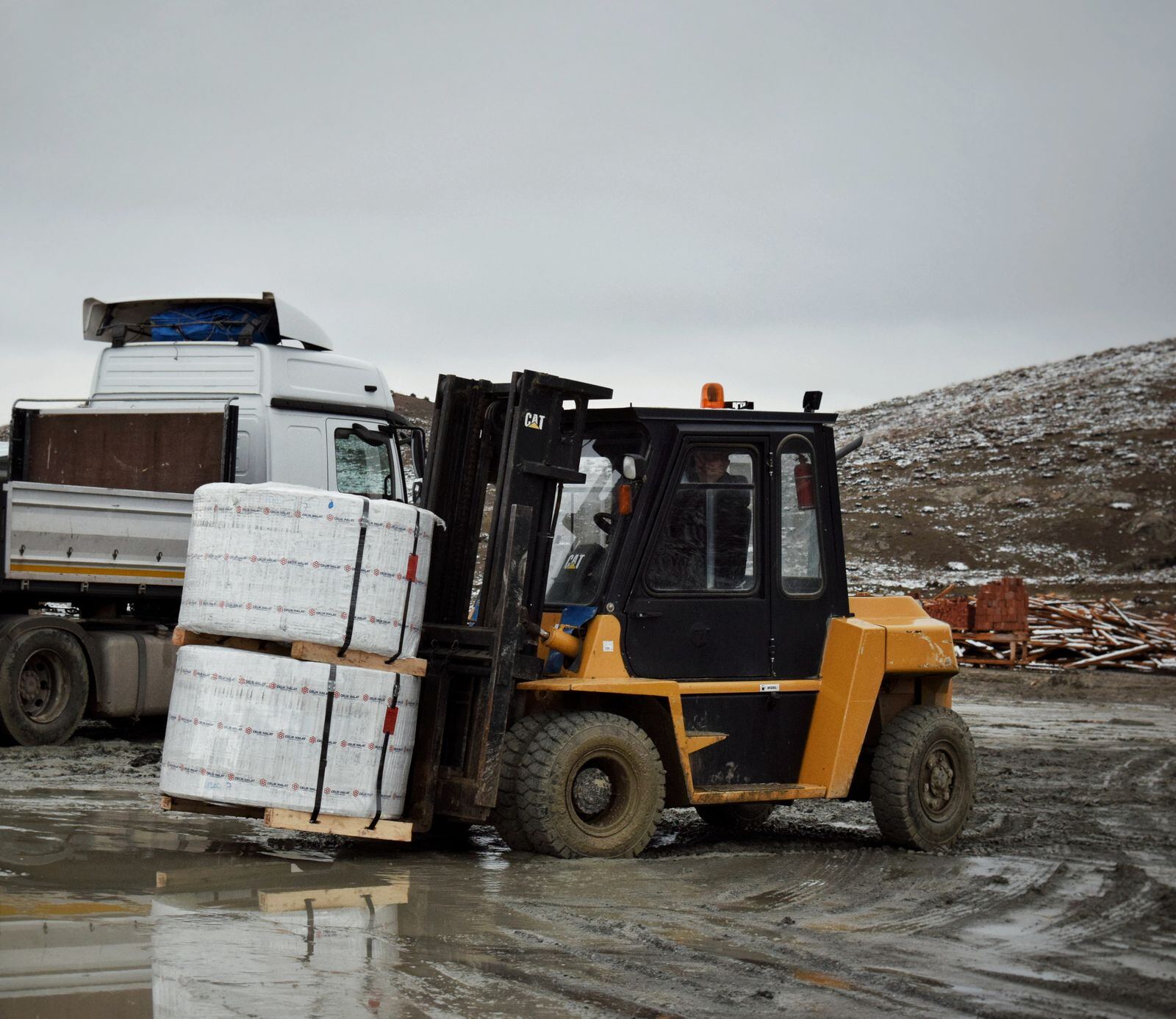
Nobody moves a machining centre for fun. In Preston the firms that face the question are mostly in the aerospace supply chain, machining, composites, treatments and tooling shops that took a bigger unit at Red Scar or on the Samlesbury side when a contract ran hot and now need to fit into less. Some machines go to the new floor. For the rest, what they would make is worth setting against what it would cost to move them.
We sell the machines that stay by online timed auction. The catalogue is built on your shop floor while the spindles are still turning, and the sale lots are tagged so nobody loads the wrong one. The auction closes before the keys go back. Food producers on Roman Way and distribution firms at Walton Summit use the same service with a different list, and the plan is the same. Decide what moves. We sell the rest before the site goes back.
Machining and composites shops with too much floor
CNC lathes and machining centres are the core of an aerospace supply sale, and they are catalogued for bidders across the country rather than for Lancashire alone. We list the control, the hours, the travels and the tooling with each machine, and we run it under power for the photographs where the shop is still live. Tool presetters, CMMs, gauges and inspection kit go with them. Composites firms add autoclaves, ovens, freezers for prepreg, cutting tables and vacuum pumps. An autoclave is a rigging job before it is anything else, so we talk to the buyer about that before the hammer falls.
Air compressors, extraction, coolant systems and the shop's overhead cranes are the lots sellers forget, and they belong in the catalogue. A crane sold in place with a removal window is a normal lot for us.
Chorley, Leyland, Blackburn and Blackpool are within easy reach of the viewing day, and the M6 junctions put Red Scar within a straightforward run from further off.
Selling while the contract runs down
A downsizing in the aerospace chain usually follows a contract that has ended or shrunk, and the last deliveries are often still going out when the move is planned. That suits the auction. We catalogue and photograph around production, and the machines you are still using for the final batch can be listed with a collection date after the last part ships. The catalogue says so plainly, so nobody bids expecting to collect earlier.
The order of work is the same each time. We visit and agree the list. The catalogue goes online and bidding runs for a week or two, with the length set by the size of the sale. A viewing day follows on site. The auction closes, buyers pay us, and collection runs in the window we agree with you. You are paid after the sale is reconciled, once buyers have paid and the window has closed, from cleared funds and with a lot by lot statement.
Where a single machine is worth more than the rest of the sale, we may offer it by private treaty rather than in the auction, and put the balance into the sale.
What these sales can include
- CNC machine tools
- Presses and press brakes
- Racking and mezzanine floors
- Forklift trucks
- Air compressors
- Workshop tooling and hand tools
- Office furniture and desks
- IT equipment and servers
- Packing and labelling machines
- Welding equipment
- Extraction and dust collection systems
- Vans and light commercial vehicles
How the sale runs
We visit the site, list the lots and photograph them in place. You tell us which items are moving and which are for sale, and we tag the sale lots so there is no confusion on the shop floor.
The catalogue goes online as a timed auction. Bidding stays open for a set period, usually one to two weeks, and each lot closes at a fixed time with an extension if a bid arrives in the last minutes. We hold a viewing day at your premises, and lots are offered as seen under the auction terms, with buyers expected to inspect first.
After the sale we invoice the buyers and take payment. You are paid once the sale is reconciled and the collection window has closed, from cleared funds, less the agreed commission and any agreed costs. Buyers arrange and pay for removal, and our staff attend to release lots against paid invoices.
The business relocation and downsizing sales page covers when a relocation sale makes sense, timing the sale around the move, what to prepare, valuation and reserves, unsold lots and leftovers.
Questions about selling in Preston
- Our biggest machine is on a foundation. Who pays to break it out?
The buyer, and the catalogue says so. Lots are offered as seen under the auction terms, and the buyer arranges and pays for the removal, with services disconnected by qualified people before anything is lifted. What the seller usually has to deal with is the hole in the floor afterwards, and that is a question for your lease and your landlord. The catalogue sets out what each removal includes, so you know before the sale whether to budget for making good.
- We are a small tooling shop, not an aerospace prime. Is the job too small?
No. A dozen machines and a workshop of hand tools is a normal relocation sale for us, and condition matters more in a catalogue than the size of the shop. The same person deals with you from the first call to the settlement whatever the size of the job. If the unit is hard to view or the timing is tight, we can collect the lots and sell them from our own premises, which takes the sale off your floor.
More questions about relocation sales
Related services
Guides
- Closing a business: a timeline for selling the assets
Work backwards from the day you hand the site over. This guide covers lease end and dilapidations, when to instruct, when staff should leave, when to keep the power on, and how to leave enough room for collection and making good.
- Selling a commercial vehicle fleet
Fleet sales turn on paperwork as much as on price. This guide covers the V5C, MOT and plating documents, clearing finance before listing, keys and livery, recording mileage and tachograph data, and how to defleet in batches while still trading.