 Britannia Auctions
Complete site dispersal auctions in Aberdeen
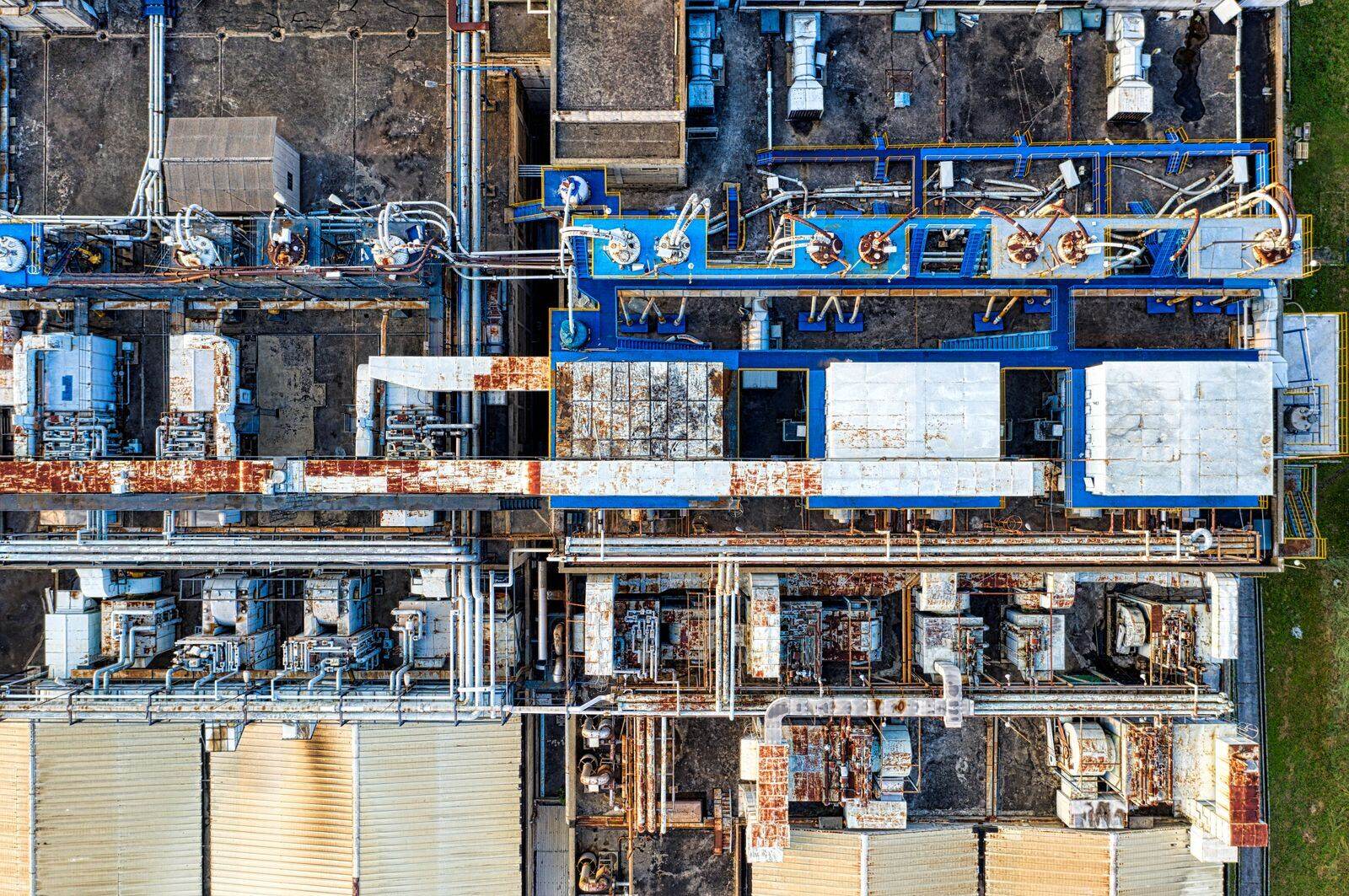
When an oil and gas service company closes its base at Altens or Tullos, the site is unlike anything else we clear. A workshop with machine tools and welding bays, a test area with pressure test bays and hydraulic power units, a stores with valves, connectors, seals and umbilical spares on the shelves, and a yard full of containerised workshops, cabins, lifting frames and baskets built for the supply boats. At Dyce the same again with drilling and downhole tools.
A site dispersal sells the lot in one online timed auction with a viewing day at the base. We catalogue every item, run the sale, and manage the agreed collection window while the buyers' riggers and hauliers clear the yard.
Bids are placed online and the sale is open to buyers from every part of the UK and further afield, so the catalogue has to carry the detail that a walk round the workshop would give.
Subsea, test and inspection lots turn on the detail
Pressure test bays, hydraulic power units, ROV tooling, ultrasonic and radiography sets, torque tools and calibrated measuring equipment are catalogued for an audience that may never walk round them. Bidding is online and open to buyers from any part of the country and overseas, and the service firms at Westhill and Dyce are a manageable drive from the viewing day. Serial numbers, certification dates, calibration records and hours go in every lot description, and we photograph data plates because anyone bidding from the catalogue relies on them.
Stores are lotted by type. Valves by size and pressure rating, connectors and fittings by standard, hoses by length and rating, consumables by the shelf. A well organised stores can be a large part of the total.
General workshop plant, the lathes, mills, saws and welding sets, is within easy reach of the engineering trade in Inverurie, Kintore, Ellon and Stonehaven, and those lots usually need a trailer rather than a low loader.
What the first visit records about the yard and the route out
The estates south east of the centre were laid out for heavy engineering, but each yard is assessed on its own. At the first visit we record how a vehicle gets in and turns, the loading facilities, the door openings and the floor levels, and what each heavy item needs to move, whether that is a lorry mounted crane, a hiab or a skeletal trailer. The route from the gate to the A90 and the Western Peripheral Route is checked with it, and the findings go in the catalogue so buyers know before they bid.
Lifting gear needs a word. Baskets, frames, slings and shackles are listed with their test dates, because a current certificate lets a buyer put the item to work without arranging a retest. Where a certificate has lapsed we say so.
Buyers organise and pay for the removal of their lots, including specialist lifting where it is needed. We agree the window and the order with you, attend, and release each lot against a paid invoice.
What these sales can include
- Complete production lines
- CNC lathes and machining centres
- Presses, guillotines and folders
- Overhead cranes and hoists
- Compressors and air receivers
- Forklift trucks
- Racking and storage systems
- Tooling, spares and consumables
- Inspection and test equipment
- Welding and fabrication equipment
- Office furniture and IT equipment
- Canteen and welfare equipment
- Vehicles and trailers
The auction
The sale runs as an online timed auction, open for bidding for a fixed period with a viewing day at the site before the close. Lots close in sequence, and a late bid extends the closing time for that lot so nobody is beaten by the clock. Bidders register online, and the sale is advertised to the trade for that type of equipment.
Lots are offered as seen under the auction terms, and buyers are expected to inspect before bidding. The buyer pays the hammer price plus a buyer's premium, with VAT charged where it applies and shown separately on the invoice. Once paid, the buyer collects within the agreed window. Our staff are on site throughout collection to check off each lot and control access.
For very large sites the sale may be split into two or more auctions, so the building empties in stages and production can continue in one area while another is cleared.
The complete site dispersal auctions page covers what a site dispersal involves, preparing the site, removal and heavy lifting, timescales and what to expect.
Questions about selling in Aberdeen
- Some of our equipment is rated for offshore use and has current certification. Should we let it lapse before the sale?
No. Keep certificates current up to the auction close if you can. Current certification on lifting gear, pressure equipment and calibrated test kit lets a buyer put the item to work without arranging a retest, and that is one of the things weighed in a bid. We list every certificate date in the lot notes and hand the paperwork over with the item at collection. Where a certificate has already lapsed we say so and the buyer prices the retest in.
- The base closes at the end of a contract and the landlord wants the yard cleared as well as the building. Can one sale cover both?
Yes, and it should. The yard usually holds as much to catalogue as the building. Containers, cabins, lifting frames, baskets, pipe racks and any vehicles are catalogued alongside the workshop and the stores and sold in the same auction. We would normally propose taking the yard items early, because they need no disconnection and free up space to work, and the order is agreed with you. The building is cleared after, and you hand back one empty site with one account from us.
More questions about site dispersals
Related services
Guides
- Auction or private treaty: which route to choose
Auction gives you a fixed date and an open market. Private treaty gives you a negotiated price and privacy. This guide sets out when each route suits, what you give up with each, and why many sales use both.
- Closing a business: a timeline for selling the assets
Work backwards from the day you hand the site over. This guide covers lease end and dilapidations, when to instruct, when staff should leave, when to keep the power on, and how to leave enough room for collection and making good.
- What insolvency practitioners need from an auctioneer
For office holders realising physical assets. Covers the instruction letter, the asset schedule and valuation basis, retention of title, finance checks, site security, health and safety during the sale, and the reconciliation you need for the file.