 Britannia Auctions
Complete site dispersal auctions in Edinburgh
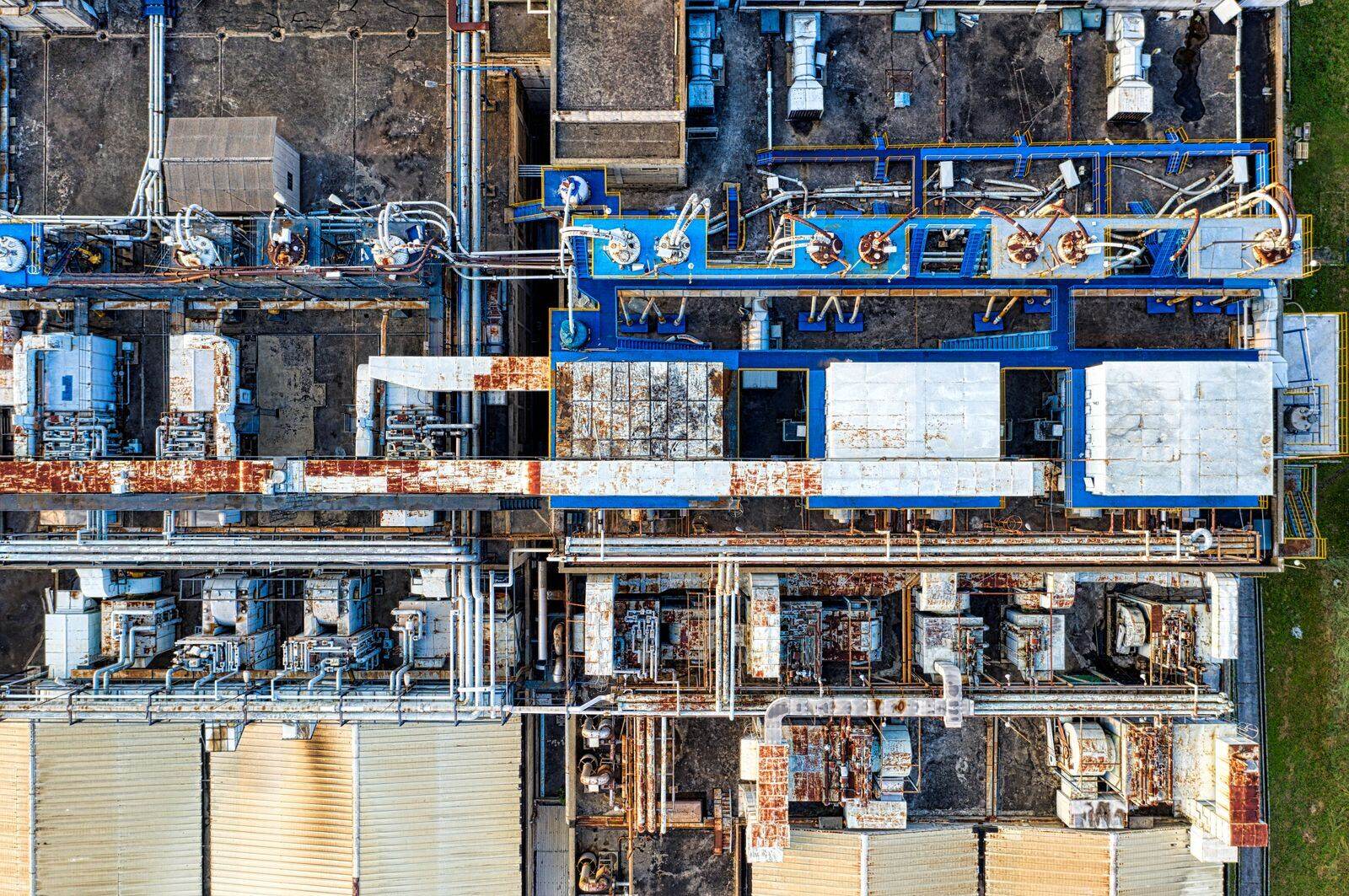
There are fewer factories to clear in Edinburgh than in most cities its size, and more yards. The sites we see are a plant hire depot at Sighthill with a fleet of excavators and a workshop behind it, a vehicle repairer with lifts and diagnostic kit, a food producer with a chilled production hall, or a distribution unit at Newbridge full of racking and forklifts. Each of these is a site dispersal, and each one clears differently.
We catalogue the whole premises, the yard, the workshop, the stores and the offices, and sell it as one online timed auction with a viewing day at the site. Buyers pay us and collect in an agreed window while we manage the traffic.
How much planning the removal takes is settled when we first visit, and it is the first thing we look at.
Plant yards and vehicle workshops are quick to list
A plant hire yard is among the simpler sites to list, because much of it moves under its own power. Excavators, dumpers, telehandlers, rollers and compressors are single lots with hours and serial numbers listed, and the contractors and hire firms in Livingston, Dalkeith, Bathgate and Penicuik are a short trip from the viewing day. Attachments, buckets, breakers and forks are lotted by type. The workshop behind the yard holds welding sets, a parts washer, a press and the stores, and the vans and the trailers sell with the rest.
Vehicle workshops go the same way. Two post lifts, tyre changers, wheel balancers and diagnostic gear are lotted for the motor trade, and most of it is sized for a van or a trailer.
Distribution units at Newbridge and Lochend are racking, forklifts, pallet trucks and dock equipment. Racking is lotted by the run and dismantled by the buyer. The M8 and M9 junction is next door.
Older units at Leith and Seafield take more planning
The port side of the city holds older units on narrower streets, with shared yards, tenement neighbours, parked cars and no room to set a crane. Marine trades keep heavier kit than the buildings suggest, and a lathe or a press in a Seafield workshop may have to be skated to the door and lifted from the street under a permit. We walk the route before the catalogue goes live and put the restrictions in the lot notes, so the buyer's rigger prices the job before bidding rather than after.
Collection on these sites runs in booked slots to keep the street clear, and the order is agreed with you, usually with the heavy lifts early while the floor is empty.
Food producers around the city add stainless steel, mixers, ovens and refrigeration, which a qualified engineer decommissions before any of it moves. The food trade in Fife, over the Queensferry Crossing, and across the Lothians is a short trip from the viewing day.
What these sales can include
- Complete production lines
- CNC lathes and machining centres
- Presses, guillotines and folders
- Overhead cranes and hoists
- Compressors and air receivers
- Forklift trucks
- Racking and storage systems
- Tooling, spares and consumables
- Inspection and test equipment
- Welding and fabrication equipment
- Office furniture and IT equipment
- Canteen and welfare equipment
- Vehicles and trailers
The auction
The sale runs as an online timed auction, open for bidding for a fixed period with a viewing day at the site before the close. Lots close in sequence, and a late bid extends the closing time for that lot so nobody is beaten by the clock. Bidders register online, and the sale is advertised to the trade for that type of equipment.
Lots are offered as seen under the auction terms, and buyers are expected to inspect before bidding. The buyer pays the hammer price plus a buyer's premium, with VAT charged where it applies and shown separately on the invoice. Once paid, the buyer collects within the agreed window. Our staff are on site throughout collection to check off each lot and control access.
For very large sites the sale may be split into two or more auctions, so the building empties in stages and production can continue in one area while another is cleared.
The complete site dispersal auctions page covers what a site dispersal involves, preparing the site, removal and heavy lifting, timescales and what to expect.
Questions about selling in Edinburgh
- Our hire fleet has kit out on hire when we want to sell. How do we handle that?
Get it back before the viewing. Buyers bid on what they can inspect, and a machine that is still on a site in Fife cannot be photographed or inspected. We can list items due back with a return date if the auction runs long enough, but it is cleaner to set the viewing after the last return. Anything on finance, hire purchase or lease is the funder's until the agreement is settled and can only be sold with their agreement, so we check the paperwork early.
- The unit at Sighthill has to be handed back to the landlord in a clean state. Who does that?
Buyers organise and pay for the removal of their lots and we attend to release them against paid invoices, but the final clean and any repairs are the seller's responsibility under the lease. What we can do is sell to the walls, so that racking, benches, the compressor and the office contents all go and there is little left to skip. We can recommend a contractor for the sweep and the dilapidations if you do not have one.
More questions about site dispersals
Related services
Guides
- Auction or private treaty: which route to choose
Auction gives you a fixed date and an open market. Private treaty gives you a negotiated price and privacy. This guide sets out when each route suits, what you give up with each, and why many sales use both.
- Closing a business: a timeline for selling the assets
Work backwards from the day you hand the site over. This guide covers lease end and dilapidations, when to instruct, when staff should leave, when to keep the power on, and how to leave enough room for collection and making good.
- What insolvency practitioners need from an auctioneer
For office holders realising physical assets. Covers the instruction letter, the asset schedule and valuation basis, retention of title, finance checks, site security, health and safety during the sale, and the reconciliation you need for the file.