 Britannia Auctions
Complete site dispersal auctions in Preston
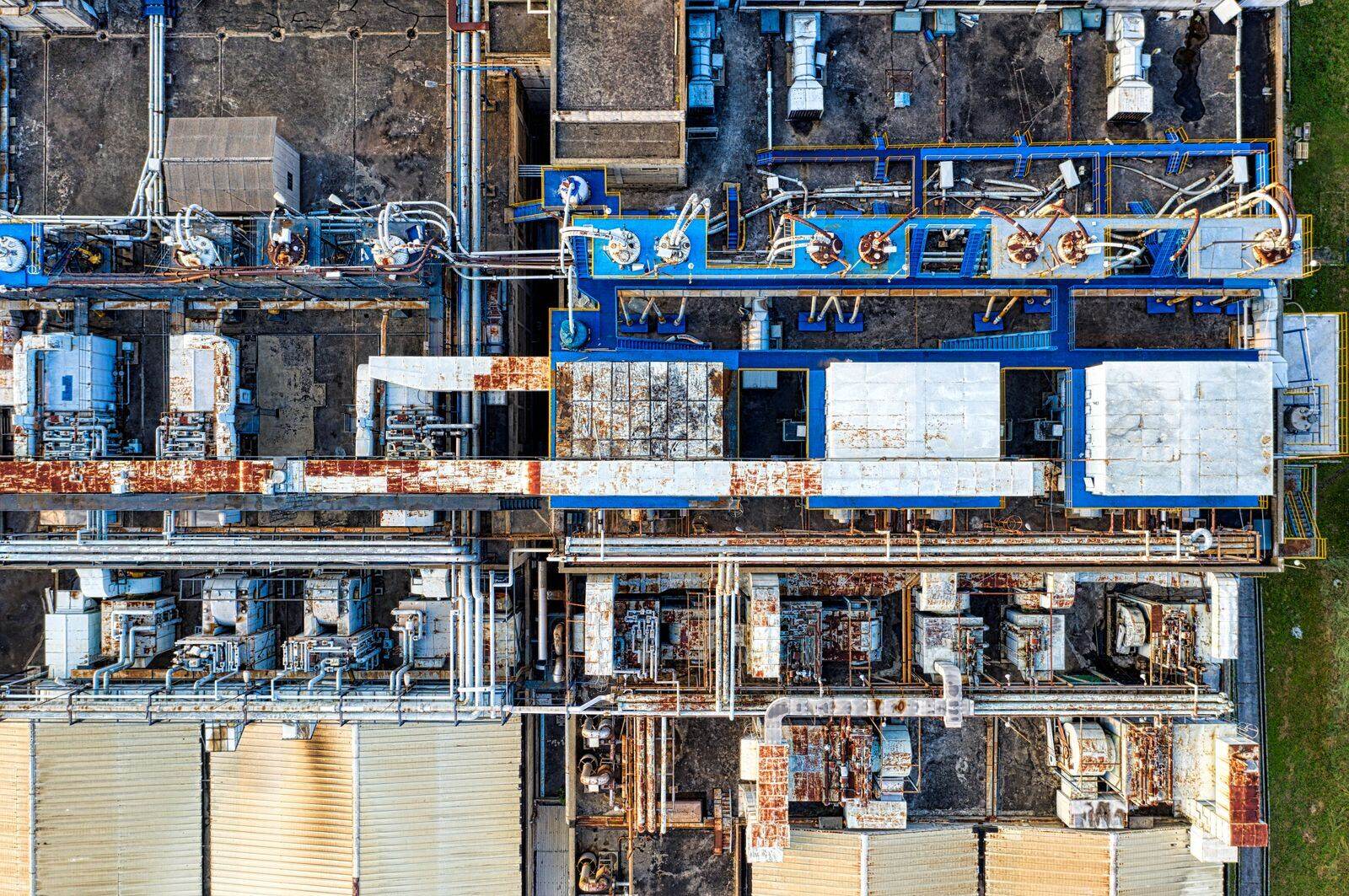
Aerospace sets the standard for machinery in Preston. The supply chain that grew up around Samlesbury runs five axis machining centres, grinders, coordinate measuring machines and composites plant, and keeps them to a standard that other trades do not. When one of those firms closes, or a contract moves and a site is folded into another, the plant on the floor is worth a proper sale rather than a quick clearance.
The rest of the city's sites are more varied. Food producers at Roman Way leave stainless lines and refrigeration. Distribution depots at Walton Summit leave racking and forklifts by the hundred. Fabrication shops on Red Scar leave presses, rolls and welding plant. We catalogue each site as a whole, from the main plant to the stores, and sell it in one online timed auction with a viewing day before the close.
What happens to the plant when the approvals go
A closing aerospace supplier loses its customer approvals when it stops trading, and owners sometimes assume the plant goes with them. The machine itself does not change. A machining centre or a CMM is judged on its control, its hours, its service record and the tooling that comes with it, and an aerospace shop usually has that paperwork in order. We list the control, the hours, the last service and the options, and photograph the fixtures and tool holders that go with each machine.
Composites plant, autoclaves, ovens and clean rooms, has a narrower audience, and the bidding for it is online and open to the whole of the UK and overseas. Chorley, Leyland, Blackburn and Lancaster are a short trip from the viewing day for the machine tools. Inspection equipment is listed with its calibration dates so it can be priced from the catalogue.
From the estate to the M6 in minutes
Buyers book and pay for removal, and what it costs them comes back in the bids, so the route out is worth settling early. Red Scar Business Park, Walton Summit and Riversway at the old docks all differ, and at each we measure how a vehicle gets in and turns, the loading facilities, the door openings and the floor levels before anything heavy is listed. Junctions 29 and 31 of the M6 are close, and the M55 and M65 start near the city.
The order of the window is agreed with you, usually the rigged lots first and the van lots after. Electrical and gas disconnection is by qualified people. Racking on the logistics sites is dismantled by the buyer once the forklifts have gone.
What these sales can include
- Complete production lines
- CNC lathes and machining centres
- Presses, guillotines and folders
- Overhead cranes and hoists
- Compressors and air receivers
- Forklift trucks
- Racking and storage systems
- Tooling, spares and consumables
- Inspection and test equipment
- Welding and fabrication equipment
- Office furniture and IT equipment
- Canteen and welfare equipment
- Vehicles and trailers
The auction
The sale runs as an online timed auction, open for bidding for a fixed period with a viewing day at the site before the close. Lots close in sequence, and a late bid extends the closing time for that lot so nobody is beaten by the clock. Bidders register online, and the sale is advertised to the trade for that type of equipment.
Lots are offered as seen under the auction terms, and buyers are expected to inspect before bidding. The buyer pays the hammer price plus a buyer's premium, with VAT charged where it applies and shown separately on the invoice. Once paid, the buyer collects within the agreed window. Our staff are on site throughout collection to check off each lot and control access.
For very large sites the sale may be split into two or more auctions, so the building empties in stages and production can continue in one area while another is cleared.
The complete site dispersal auctions page covers what a site dispersal involves, preparing the site, removal and heavy lifting, timescales and what to expect.
Questions about selling in Preston
- The aerospace customer owns some of the fixtures and gauges on our machines. How do we separate them?
At the first visit we ask you to mark everything that belongs to a customer or is held on loan, and we keep it off the catalogue. Customer owned fixtures, gauges and drawings go back before the viewing. If there is any doubt about an item, we hold it until you and the customer have agreed. What you own, including general tooling, tool holders and calibrated equipment, stays in the sale and sells with the machine it fits or as a separate lot.
- We run a food production unit at Roman Way on a lease that ends at the March quarter day. When should we call you?
About six weeks before the date, and earlier if the site is large. That gives a week to catalogue, two weeks of bidding with a viewing near the end, a collection window of up to two weeks, and a few days for the final clean before the landlord inspects. Equipment that can be run without risk stays connected for the viewing day so your staff can demonstrate it, and everything else is isolated and left safe. If you are closer than six weeks, call anyway and we will tell you what fits.
More questions about site dispersals
Related services
Guides
- Auction or private treaty: which route to choose
Auction gives you a fixed date and an open market. Private treaty gives you a negotiated price and privacy. This guide sets out when each route suits, what you give up with each, and why many sales use both.
- Closing a business: a timeline for selling the assets
Work backwards from the day you hand the site over. This guide covers lease end and dilapidations, when to instruct, when staff should leave, when to keep the power on, and how to leave enough room for collection and making good.
- What insolvency practitioners need from an auctioneer
For office holders realising physical assets. Covers the instruction letter, the asset schedule and valuation basis, retention of title, finance checks, site security, health and safety during the sale, and the reconciliation you need for the file.