 Britannia Auctions
Complete site dispersal auctions in Swindon
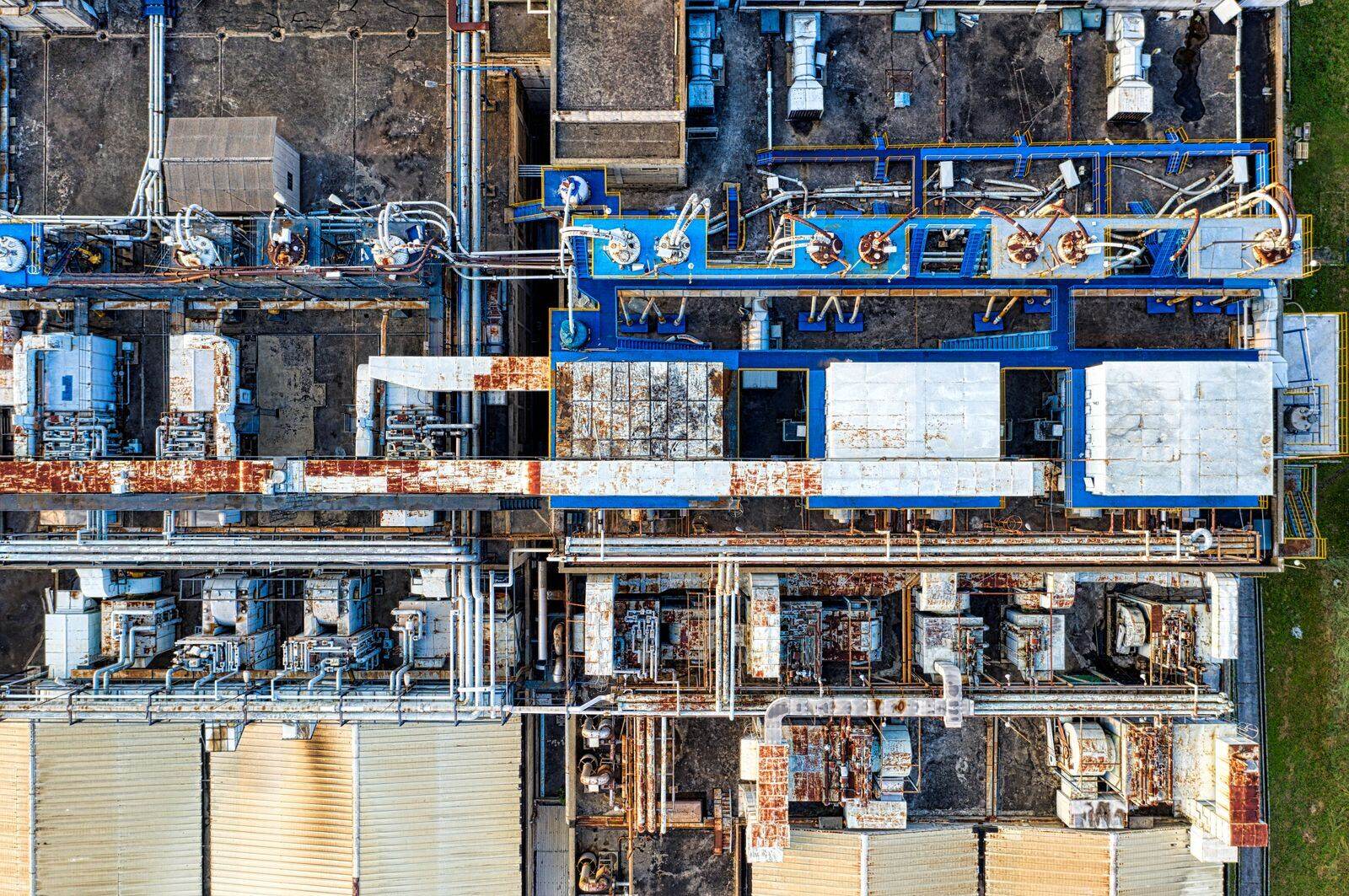
When a supplier loses its main customer, the plant on the floor still has a market. The car plant at South Marston fed a chain of pressers, moulders, machinists and logistics firms, and as that site is redeveloped some of them are closing or moving. Their plant was bought for one contract but does not belong to it. Presses, robots, machining cells, paint plant and racking all have a market, and a site dispersal puts them in front of it.
The town has other kinds of site too. Pharmaceutical and electronics firms on the north and east sides leave clean rooms, laboratory equipment, assembly lines and test benches. Print works on Cheney Manor and Dorcan leave presses and finishing kit. We catalogue each site in full, run one online timed auction with a viewing day, and manage every buyer through an agreed collection window until the keys go back.
Plant bought for one contract is not tied to it
Automotive supply plant is standard equipment made to one customer's schedule. A press line, a robot cell, a paint plant or a machining centre is the same to a buyer in Chippenham or Cirencester making parts for someone else, and online bidding opens the sale to the dealers who follow automotive plant. What is specific to the old customer is the tooling, the dies, fixtures, gauges and jigs, and much of that belongs to the customer and goes back before we list. We ask you to mark it when we walk the site.
Pharmaceutical and electronics sites need different handling. Clean room panels, fume cupboards, laboratory equipment and calibrated instruments have a national market and travel by van rather than low loader, and validation records are listed where you have them, because a buyer will ask. Print plant is catalogued for printers across the south and for dealers who export. Racking and handling kit from the sheds at Blagrove and Symmetry Park is lotted for operators along the M4.
The route out and the order of the window
Buyers organise and pay for removal, and the cost of it shows in the bids, so the route out is checked before anything heavy is listed. Junctions 15 and 16 of the M4 are minutes from the big sheds, the A419 runs north towards the M5 and the A420 east towards Oxford. On every unit, and on the older ones at Groundwell and Kembrey Park in particular, we measure the yard, the turning space and the doors, and where a rigid lorry is the largest vehicle that fits we say so in the lot notes.
Collections are booked in a sequence agreed with you. Rigged lots usually leave first, to a method statement agreed before the day, with disconnection by qualified people. Racking comes down once the forklifts have gone. Van lots go last. Where a site has an overhead crane it is usually agreed as the final lot, so it is available while the heavy machines come out.
What these sales can include
- Complete production lines
- CNC lathes and machining centres
- Presses, guillotines and folders
- Overhead cranes and hoists
- Compressors and air receivers
- Forklift trucks
- Racking and storage systems
- Tooling, spares and consumables
- Inspection and test equipment
- Welding and fabrication equipment
- Office furniture and IT equipment
- Canteen and welfare equipment
- Vehicles and trailers
The auction
The sale runs as an online timed auction, open for bidding for a fixed period with a viewing day at the site before the close. Lots close in sequence, and a late bid extends the closing time for that lot so nobody is beaten by the clock. Bidders register online, and the sale is advertised to the trade for that type of equipment.
Lots are offered as seen under the auction terms, and buyers are expected to inspect before bidding. The buyer pays the hammer price plus a buyer's premium, with VAT charged where it applies and shown separately on the invoice. Once paid, the buyer collects within the agreed window. Our staff are on site throughout collection to check off each lot and control access.
For very large sites the sale may be split into two or more auctions, so the building empties in stages and production can continue in one area while another is cleared.
The complete site dispersal auctions page covers what a site dispersal involves, preparing the site, removal and heavy lifting, timescales and what to expect.
Questions about selling in Swindon
- Our site was part of the car plant supply chain and closes at the end of the quarter. Is that long enough?
It depends how far away the quarter end is. Six weeks from instruction to an empty building is comfortable for most sites, allowing a week to catalogue, around two weeks of bidding with a viewing near the close, and a collection window of up to two weeks, though the lot count and the access move it. A large site with heavy presses uses all of it. If the date is nearer, we can still run a sale, but the collection window shortens and we tell you what that means before you decide.
- Our laboratory equipment has validation and calibration records. Do they matter to buyers?
Yes, and they are worth keeping with the equipment. An instrument with its service history, its calibration certificate, its manual and its accessories can be priced with confidence by a pharmaceutical or electronics buyer, and they will ask for all of it. We photograph the calibration label and list the last date in the catalogue, and we hand the paperwork to the buyer at collection. Software licences and dongles should be checked too, because some transfer with the machine and some do not.
More questions about site dispersals
Related services
Guides
- Auction or private treaty: which route to choose
Auction gives you a fixed date and an open market. Private treaty gives you a negotiated price and privacy. This guide sets out when each route suits, what you give up with each, and why many sales use both.
- Closing a business: a timeline for selling the assets
Work backwards from the day you hand the site over. This guide covers lease end and dilapidations, when to instruct, when staff should leave, when to keep the power on, and how to leave enough room for collection and making good.
- What insolvency practitioners need from an auctioneer
For office holders realising physical assets. Covers the instruction letter, the asset schedule and valuation basis, retention of title, finance checks, site security, health and safety during the sale, and the reconciliation you need for the file.