 Britannia Auctions
Machinery and engineering auctions in Northampton
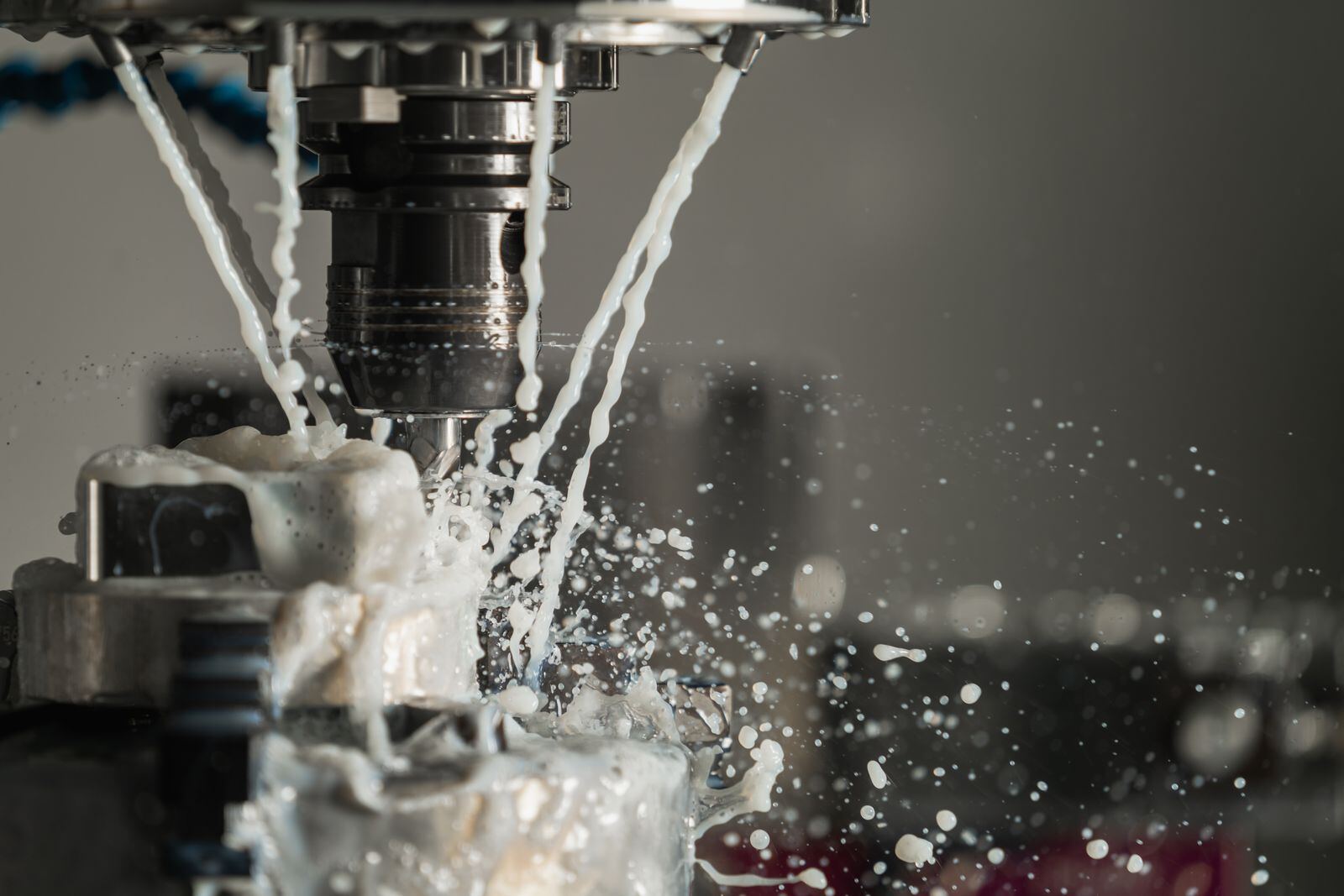
Two trades meet in a machinery sale here and they could hardly be more different. On one side are the motorsport and engineering subcontractors, with late model five axis machining centres, sliding head lathes, grinders and measuring machines of a kind the trade follows closely. On the other are the footwear factories, still working in the town, whose clicking presses, skiving machines, lasting machines and sole presses belong to a market that most auctioneers never see.
We sell both. The engineering plant goes to a national trade that bids on specification, with export interest possible. The shoe machinery goes to a much smaller circle of makers and dealers, and it needs to be described in their language and advertised where they look.
Units on Moulton Park and Round Spinney sit close to the M1, and access at each one is checked before the catalogue is written. Tell us what you have through the contact form and we will come and look.
Motorsport machining and when to sell it
Motorsport subcontract work runs to a calendar. The build season is winter, the shops are flat out from autumn until the cars are ready, and a machining centre that has been on double shifts for six months shows it on the hours meter. Buyers for late model five axis machines read that meter, and they read the maintenance log beside it.
So the catalogue for a motorsport shop is a detailed one. Control, axes, table size, spindle speed and taper, probe and tool setter, chip conveyor, the hours and the service history, all listed, with the control screen photographed.
Machines like that suit dealers and end users across the UK, with export interest possible, and a single late model machine can do as well by private treaty as at auction. The rest of the shop, the manual mills, saws, grinders and the inspection bench, suits the auction, and the trade in Rugby, Daventry and Wellingborough is well placed to come and look before bidding closes.
Shoe machinery and the market that wants it
Footwear machinery is specialist. Clicking presses, skiving machines, lasting and welting machines, sole presses and finishing lines sell to other shoemakers and to a handful of dealers who supply the trade at home and overseas. The buyers are few, and they know the makers and models. Outside that trade the same machines attract little interest, which is why they are advertised where the shoe trade looks.
We treat those lots as a separate catalogue within the sale. Each machine is listed with its maker's designation and any attachments, and the sale is advertised to the footwear trade directly, in the places that trade reads, rather than only to general engineering buyers.
Factory buildings in the town are older and closer to houses than the estate units. A press on a first floor is a removal job before it is anything else, so we check the stairs, the floor loading, the loading door and where a lorry can stand before the catalogue is written and put the answer in front of buyers.
What these sales can include
- CNC turning centres
- CNC vertical and horizontal machining centres
- Manual and toolroom lathes
- Milling machines
- Surface and cylindrical grinders
- Press brakes and guillotines
- Laser, plasma and waterjet cutters
- Bandsaws and cold saws
- Radial arm and pillar drills
- Welding sets and positioners
- Coordinate measuring machines
- Tooling, chucks and workholding
- Compressors and dust extraction
- Cranes, hoists and forklifts
Viewing, bidding and the buyer's premium
Machinery sales run as online timed auctions. The catalogue is published with photographs and specifications. Buyers register, view the machines on the viewing day, and bid online until the lots close. The sale is advertised to the engineering trade, and bidding is online and open to buyers across the UK and beyond.
The buyer pays the hammer price plus the buyer's premium. VAT is charged where it applies and shown separately on the buyer's invoice. Ask and we will go through the specifics for your sale. Where a buyer is overseas, they arrange their own export.
Machines are offered as seen under the auction terms, and buyers are expected to inspect before bidding, which is why the viewing day matters. Machines that can be run safely stay connected for the viewing day so your staff can demonstrate them where that is agreed, and everything else is isolated and left safe.
The machinery and engineering auctions page covers what the buyers want to know, what affects demand, reserves and estimates, removal and access, when a private sale beats an auction.
Questions about selling in Northampton
- Our motorsport contract ends in the spring. Is that the wrong time to sell the machines?
Spring is a workable time. Teams and their suppliers settle the next season's work in spring and summer, so the shops that are continuing are planning capacity then. A sale that opens once the last parts have shipped is the plan we would suggest. Machines that can safely be run stay connected for the viewing day and your staff can demonstrate them where you agree to it. Everything else is isolated and left safe, and every lot is isolated by a competent person before collection.
- The lease on our unit at Moulton Park ends on the March quarter day. Can it all be out by then?
Yes, if we start early enough. Six weeks from the first visit to the last collection day is a reasonable plan, with the number of machines and the access deciding the rest. Two or three weeks to catalogue, photograph and run the bidding with the viewing day inside it, then a collection window after it. Making good any bolt holes and pits under the lease follows, and that normally falls to you. Working back from the quarter day, the first call is best made before Christmas.
More questions about machinery auctions
Related services
Guides
- How a commercial asset auction works
A stage by stage account of an online timed auction for business assets. It covers the asset schedule, cataloguing, viewing days, how bidding closes, buyer's premium and VAT, collection and how you get paid.
- Preparing machinery and equipment for sale
What to do before viewing day. Keep the machines that can be run safely available to demonstrate, isolate the rest, clean but do not repaint, find the tooling and manuals, and sort out access for removal.
- How used machinery is valued
Buyers pay for what a machine will do for them, less what it costs to get it out and running. This guide explains how make, hours, tooling, demand and removal cost feed a guide price, and why that price is not book value.