 Britannia Auctions
Machinery and engineering auctions in Swindon
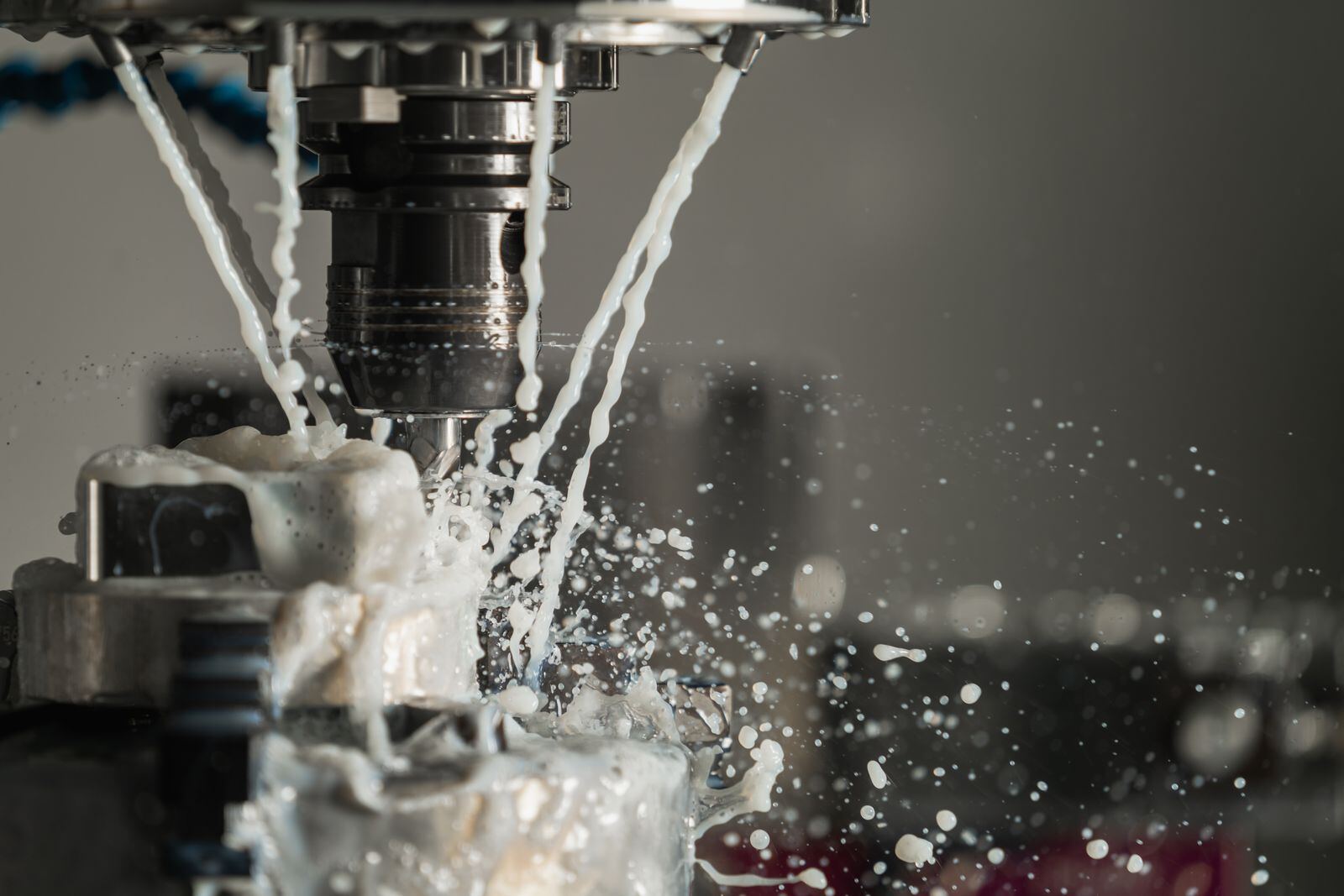
For years Swindon's machine shops tooled up for the car plant. Subcontractors on Cheney Manor, Dorcan and Groundwell bought machining centres, turning centres, grinders and inspection equipment to make components for it, and when the plant closed the machines outlived the contracts that paid for them. Some of those shops found other work. Some are selling up, and their plant is what most of our sales here are made of.
It is good plant. Automotive subcontract work demanded capable machines kept to a standard, with the paperwork to prove it, and buyers on the M4 corridor know that. The electronics and pharmaceutical firms on the north and east side add toolroom and maintenance shop lots of a different kind.
We catalogue on site and the sale runs online with a viewing day in the shop. Tell us what you have through the contact form.
Machines that outlived the contract that bought them
A subcontract shop set up for automotive work has a particular look. Two or three machining centres of the same make bought together, a turning centre with a bar feeder, a coordinate measuring machine in a side room and racks of fixtures made for parts that will never be made again. The machines are the value. The fixtures are scrap unless another supplier to the same customer wants them, and we lot them honestly rather than dressing them up as tooling.
Matching machines are worth advertising as a group. Two identical machining centres with the same control suit a dealer or a shop adding capacity, because one set of programs and one set of spares covers both. We list them as separate lots and advertise them together.
The measuring machine goes with its calibration record and its software. Without those it is a frame with a probe.
Corridor buyers, wide roads and the lease date
The trade along the motorway is near enough to come and see the lots. Shops in Chippenham, Cirencester, Wantage and Marlborough are a short drive, and the M4 between Bristol and Reading is dealer country. The online catalogue takes the same lots to the rest of the UK.
Getting the machines out is checked before the catalogue is written. The estates have turning space and junction 16 is close to Cheney Manor and Groundwell, and the doors, the floor and the loading point are measured at the unit itself.
What sets the timetable more often is the lease. A break clause or a notice from the landlord arrives with a date on it, and the keys have to go back with the floor clean. A sale that closes a fortnight before that date, with collection days straight after, is the plan we suggest, and the sooner the first visit happens the more room there is in it.
What these sales can include
- CNC turning centres
- CNC vertical and horizontal machining centres
- Manual and toolroom lathes
- Milling machines
- Surface and cylindrical grinders
- Press brakes and guillotines
- Laser, plasma and waterjet cutters
- Bandsaws and cold saws
- Radial arm and pillar drills
- Welding sets and positioners
- Coordinate measuring machines
- Tooling, chucks and workholding
- Compressors and dust extraction
- Cranes, hoists and forklifts
Viewing, bidding and the buyer's premium
Machinery sales run as online timed auctions. The catalogue is published with photographs and specifications. Buyers register, view the machines on the viewing day, and bid online until the lots close. The sale is advertised to the engineering trade, and bidding is online and open to buyers across the UK and beyond.
The buyer pays the hammer price plus the buyer's premium. VAT is charged where it applies and shown separately on the buyer's invoice. Ask and we will go through the specifics for your sale. Where a buyer is overseas, they arrange their own export.
Machines are offered as seen under the auction terms, and buyers are expected to inspect before bidding, which is why the viewing day matters. Machines that can be run safely stay connected for the viewing day so your staff can demonstrate them where that is agreed, and everything else is isolated and left safe.
The machinery and engineering auctions page covers what the buyers want to know, what affects demand, reserves and estimates, removal and access, when a private sale beats an auction.
Questions about selling in Swindon
- We have three identical machining centres. Do we sell them as one lot or three?
Three lots, advertised as a set. A buyer who wants all of them can bid on all three, and a buyer who only has room for one is not shut out. Separate lots keep both kinds of buyer in, because a smaller shop can bid for one machine while a dealer bids for all three. We photograph and list each one separately and note in every entry that the other two are in the sale.
- Half our machines have not run since the contract ended. Do idle machines still sell?
A machine that cannot be shown running is bid on differently, because the buyer is pricing the risk that the control battery is flat or the spindle has a fault. Machines that can be run safely stay connected for the viewing day and your staff can demonstrate them where you agree to it. Everything else is isolated and left safe, and the catalogue says which machines were seen running and which were not.
More questions about machinery auctions
Related services
Guides
- How a commercial asset auction works
A stage by stage account of an online timed auction for business assets. It covers the asset schedule, cataloguing, viewing days, how bidding closes, buyer's premium and VAT, collection and how you get paid.
- Preparing machinery and equipment for sale
What to do before viewing day. Keep the machines that can be run safely available to demonstrate, isolate the rest, clean but do not repaint, find the tooling and manuals, and sort out access for removal.
- How used machinery is valued
Buyers pay for what a machine will do for them, less what it costs to get it out and running. This guide explains how make, hours, tooling, demand and removal cost feed a guide price, and why that price is not book value.