 Britannia Auctions
Private treaty sales in Doncaster
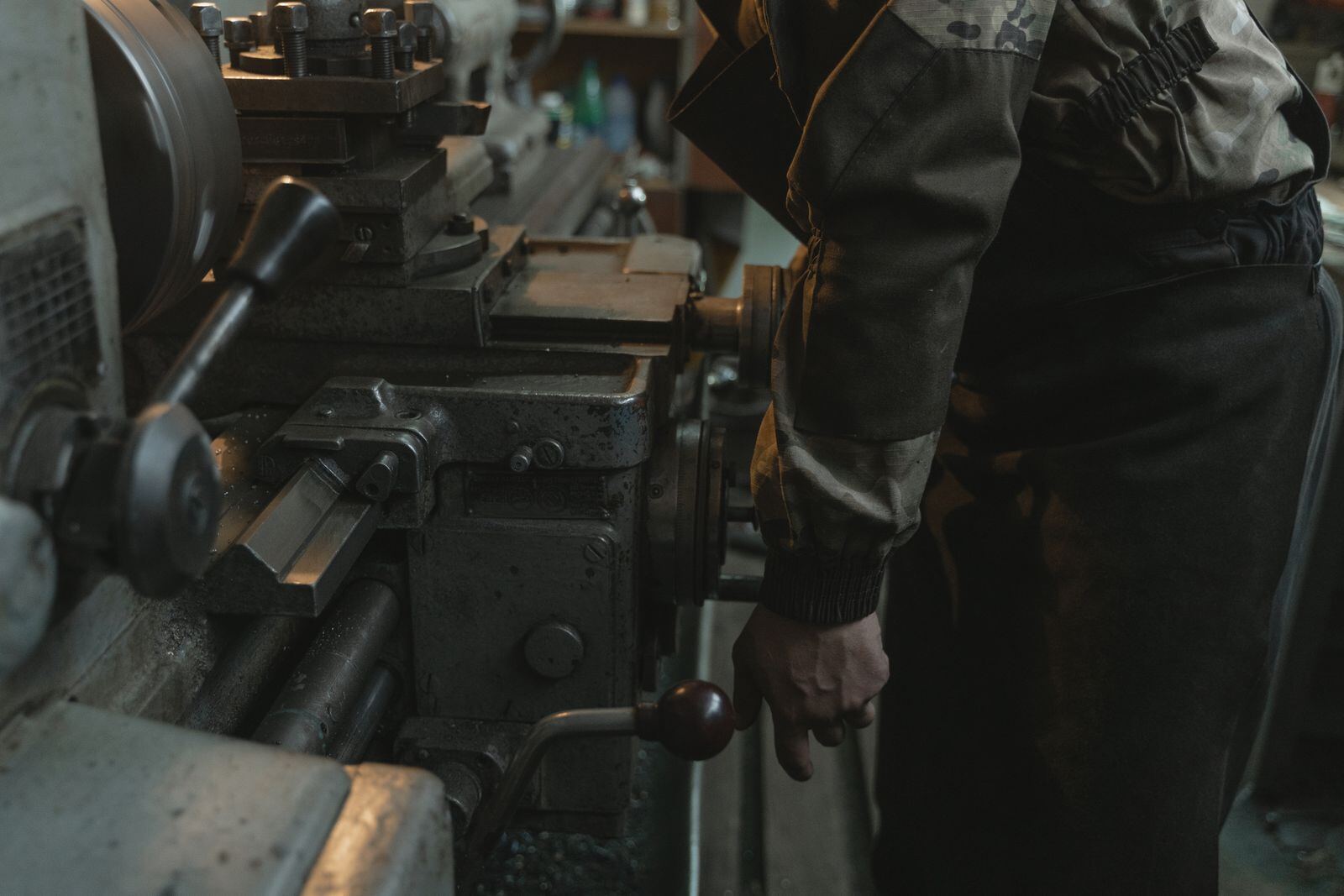
Doncaster's rail engineering trade runs machines with few users outside it. A wheel lathe, a bogie drop, a set of synchronised lifting jacks or a wheelset press suits other depots, rolling stock maintainers, leasing companies and a small number of specialist dealers. A general catalogue is a blunt way to reach a pool that size. A negotiated sale, put to it with the right paperwork, gives the machine a fair hearing.
We run that sale for you. We inspect the asset, prepare a description with photographs, specification and maintenance history, approach the buyers directly and put every offer to you in writing. Our fee is agreed in writing before marketing starts, and there is no public sale date.
The same route serves glass plant on Kirk Sandall, fabrication machinery on Wheatley Hall Road, the dealers' late model tractors and combines on the edge of the borough, and the plant hire yards with one big excavator to move on.
Depot machinery with a buyer list you can count
Rail depot equipment sells on its history. Expect questions on which vehicles it was set up for, when it was last calibrated, which safety inspections it has passed and whether the control system is supported. We gather that before we describe the machine.
Glass manufacturing plant is similar. Furnace ancillaries, cutting tables, tempering and laminating lines and handling equipment go to other glass processors and to the dealers who refurbish them, and a line kept whole is easier to place with a processor than the same machines sold apart.
Late model agricultural and construction machines have a wider market. A single combine, a self propelled sprayer, a big telehandler or a long reach excavator suits farmers, contractors, hire fleets and dealers, with the trade in Worksop, Goole, Scunthorpe and Pontefract close by, and a negotiated sale with the hours and service record set out is worth weighing against a public sale on a fixed date.
Freight from iPort where the buyer is distant
Export interest is possible for rail and glass machinery, and where it exists the job changes in two ways. A buyer who cannot come and look relies on the description, the photographs, the service records and a video of the machine under power in place of a viewing. And the price has to allow for crating and freight.
Doncaster is placed for both. From the older estates at Wheatley Hall Road or Balby Carr the M18 and the A1(M) are close, and the rail freight terminal at iPort can take a container. The approach, the turning space and the loading arrangements are checked on site before any of that is priced. We can quote for delivery to the terminal as part of the sale and deal with the freight forwarder on the buyer's behalf where that is wanted.
For UK buyers the trade in Rotherham, Sheffield, Barnsley and Wakefield is within easy reach for an inspection, and the motorway network gives the rest of the country a road route.
What these sales can include
- CNC machining centres and lathes
- Printing presses
- Injection moulding machines
- Packaging lines
- Large generators and switchgear
- Cranes and heavy lifting equipment
- Specialist process plant
- Laboratory and test equipment
- Complete production cells
- Late model plant and vehicles
- Marine and rail equipment
- High value catering and bakery lines
How we market the asset
We inspect the asset, or have it inspected, and prepare a description with photographs, specification, condition and any service history. We then approach buyers directly: dealers who trade in that type of machine, and end users the asset suits. The asset can be advertised openly or offered only to selected parties. How open we are depends on how much confidentiality you need.
Interested buyers inspect by appointment. We attend or arrange access, answer questions and take offers. You are kept informed at each stage but do not have to deal with the buyers yourself.
There is no fixed end date. A private treaty sale takes as long as it takes to find the right buyer at the right price, which is one of its advantages and one of its costs.
The private treaty sales page covers when private treaty beats auction, how offers are handled, fees and what you receive, what to prepare.
Questions about selling in Doncaster
- Our wheel lathe is set in a pit. Does that stop a private treaty sale?
No, but it shapes it. A pit mounted machine is a rigging job before it is anything else, and the buyer needs to know the pit dimensions, the foundation drawings, the floor loading and the crane access before they can price the removal. We put all of that in the description and settle who lifts it, at whose cost, in the sale agreement. The buyer arranges and pays for the removal, usually with their own crew, because they will be reinstalling the lathe to their own method.
- Is a long reach excavator from our hire fleet better sold by treaty or at auction?
For one late model machine, treaty is worth considering. A long reach or a big tracked excavator with low hours suits contractors, dealers, exporters and other hire fleets, and a negotiated sale puts the hours and the service record in front of them without a fixed closing time. Several older machines from the same yard are a different case, and an auction with a viewing day usually suits those better. We give you a view on which route fits before you commit.
More questions about private treaty
Related services
Guides
- Auction or private treaty: which route to choose
Auction gives you a fixed date and an open market. Private treaty gives you a negotiated price and privacy. This guide sets out when each route suits, what you give up with each, and why many sales use both.
- What happens to unsold lots
Not every lot sells, but the site still has to be cleared. This guide covers why lots go unsold, private treaty after the sale, lowering or removing the reserve, a later sale, scrap and WEEE recycling, and what disposal costs.