 Britannia Auctions
Private treaty sales in Glasgow
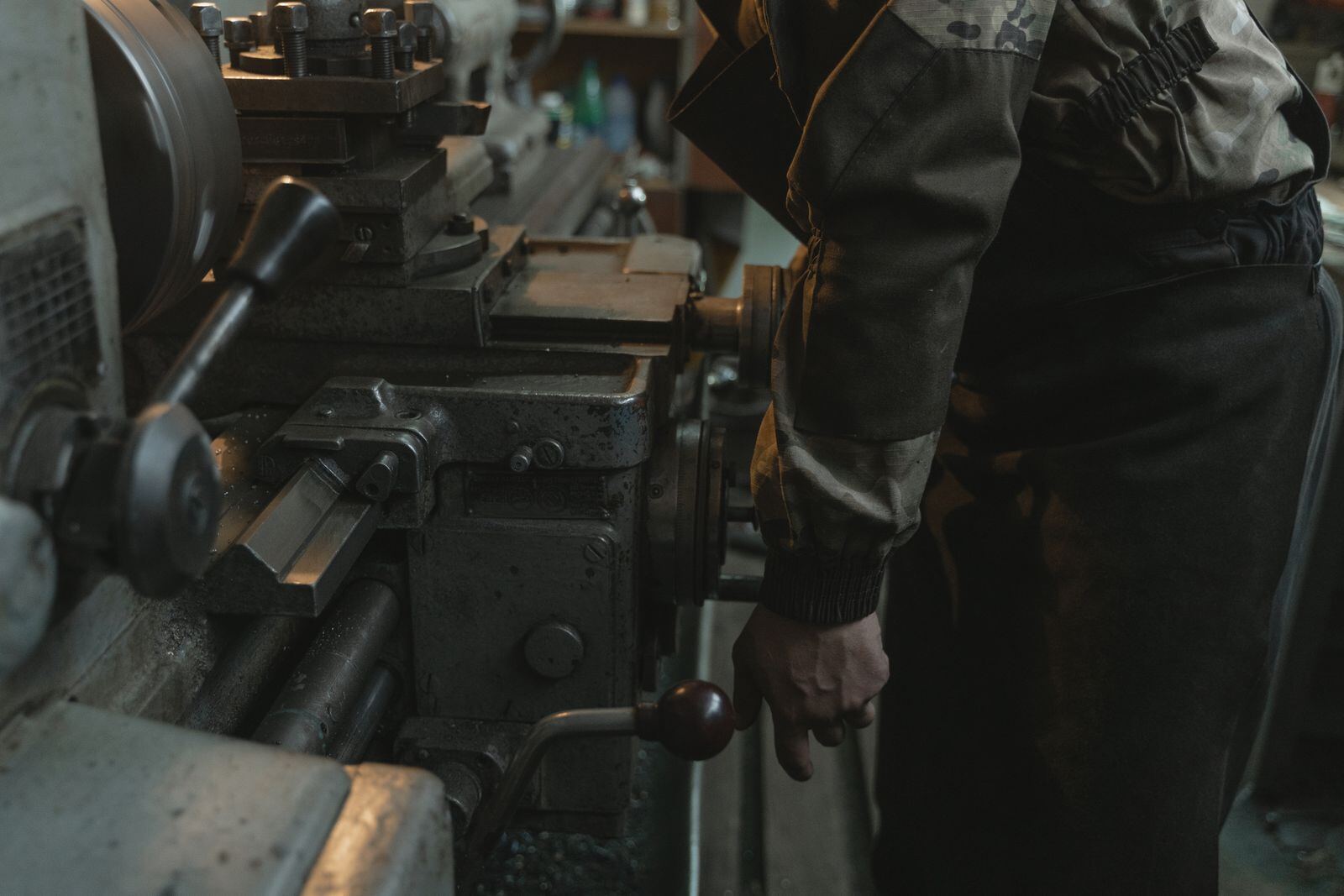
Glasgow and the towns around it hold a large concentration of industry, and that shapes how a private treaty sale is run here. A packaging line, a large printing press, a machining centre or a fabrication cell from Hillington or Queenslie can draw more than one party, and where it does the sale ends in sealed bids rather than a single conversation. You keep the discretion of a private sale with some of the competition of an auction.
We inspect and describe the asset, approach the end users and dealers who trade in it, set a closing date for written offers and put each one to you with our recommendation. You decide. There is no public listing and no sale day. Our fee is agreed in writing before marketing starts, there is no buyer's premium on a private treaty sale, and the buyer pays the price agreed plus VAT where it applies.
Machines that draw more than one offer
The food producers and packaging plants in the city run filling, labelling, case packing and palletising lines of a type other producers across the UK use. The printers run large format and web presses with a market among other printers and the dealers who export, and the engineering firms at Hillington and along the Clyde add machining centres, borers, press brakes and welding cells.
For each of these the pool is wider than in a smaller centre. Paisley, East Kilbride, Motherwell, Cumbernauld and Coatbridge are close enough to view in person, and a firm elsewhere in the UK can send an engineer or ask us to inspect on their behalf. Where two or more are serious we invite sealed offers by a fixed date, with the reserve known only to you.
The description does the work. Specification, age, hours or impressions, service history, controller and tooling, and a clear statement of what is fixed and what is loose.
Checking the route out of the estate
Hillington sits off junction 26 of the M8 and Clydesmill off junction 2A of the M74, so the main estates have a road route that avoids the city centre. What the removal needs is still checked on site: vehicle access and the turning circle, the loading arrangements, the door dimensions and the floor. A buyer then prices the job from those findings rather than from the postcode.
The older units in Clydebank and along the Clyde Gateway can be tighter, and there we walk the route before offers are invited and state the crane and access position in the description. For very heavy items going a long way, Mossend has a rail freight terminal and a buyer can move a machine south by rail rather than road.
Where a site is being handed back before a buyer completes, the machine can be collected and held at our own premises.
What these sales can include
- CNC machining centres and lathes
- Printing presses
- Injection moulding machines
- Packaging lines
- Large generators and switchgear
- Cranes and heavy lifting equipment
- Specialist process plant
- Laboratory and test equipment
- Complete production cells
- Late model plant and vehicles
- Marine and rail equipment
- High value catering and bakery lines
How we market the asset
We inspect the asset, or have it inspected, and prepare a description with photographs, specification, condition and any service history. We then approach buyers directly: dealers who trade in that type of machine, and end users the asset suits. The asset can be advertised openly or offered only to selected parties. How open we are depends on how much confidentiality you need.
Interested buyers inspect by appointment. We attend or arrange access, answer questions and take offers. You are kept informed at each stage but do not have to deal with the buyers yourself.
There is no fixed end date. A private treaty sale takes as long as it takes to find the right buyer at the right price, which is one of its advantages and one of its costs.
The private treaty sales page covers when private treaty beats auction, how offers are handled, fees and what you receive, what to prepare.
Questions about selling in Glasgow
- Will a sealed bid round put buyers off a private sale?
It need not. A sealed bid round asks for one considered offer by a fixed date, which gives every party the same basis to work from. We tell each of them how the process works, what information they will get, when offers close and how the result is confirmed. The reserve stays with you and you are not bound to accept anything. Where only one party is serious we negotiate instead, and you see that offer in writing with our view on it.
- What does a buyer in England need to know before collecting from a Glasgow site?
The route, the site rules and the window. A haulier coming up the M74 reaches Clydesmill or Hillington without going through the centre, and the description sets out what we found on site: the approach, the turning space, the loading arrangements and the crane capacity where there is one. The hours and the collection window are given in writing, and a person from our side attends to release the machine against the paid invoice.
More questions about private treaty
Related services
Guides
- Auction or private treaty: which route to choose
Auction gives you a fixed date and an open market. Private treaty gives you a negotiated price and privacy. This guide sets out when each route suits, what you give up with each, and why many sales use both.
- What happens to unsold lots
Not every lot sells, but the site still has to be cleared. This guide covers why lots go unsold, private treaty after the sale, lowering or removing the reserve, a later sale, scrap and WEEE recycling, and what disposal costs.