 Britannia Auctions
Private treaty sales in Hull
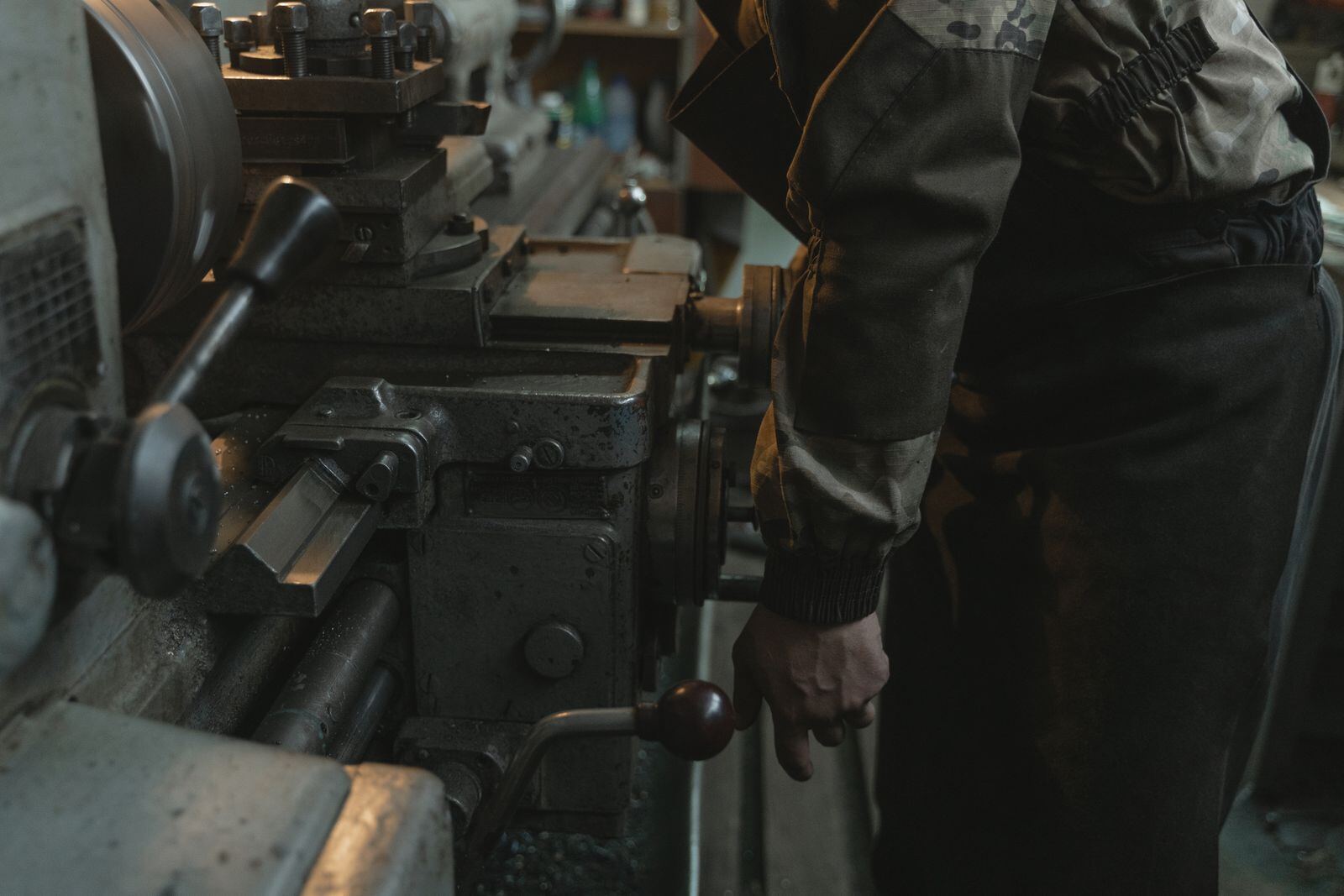
Around Hull the caravan and holiday home trade runs on a supply chain, and when one link in it changes machines the equipment is often too big or too specialist for an auction. A CNC beam saw and router line from a joinery shop, a chassis welding line, an edgebander, a foam cutting plant for the upholsterers. Add the food processors, the healthcare products firms with cleanroom lines and the engineering shops on Sutton Fields and Priory Park, and there is a steady flow of single machines worth weighing for a negotiated sale rather than the hammer.
Private treaty means we describe the machine properly, approach the buyers who use that type of kit, handle the negotiation and put every offer to you in writing. There is no public sale date and no public listing unless you ask for one. Our fee is agreed in writing before marketing starts, and there is no buyer's premium: the price agreed is what the buyer pays, plus VAT where it applies.
Joinery, chassis, food and cleanroom plant
The joinery firms that supply caravan builders run panel processing lines that carry most of the value in the shop: beam saws, CNC routers with automatic loading, edgebanders and dust extraction sized for a full shift. The likely buyers are other panel processors across the UK, kitchen and furniture makers, shopfitters and the dealers who trade in them. Chassis lines are narrower. A jig based welding line for caravan chassis suits another chassis maker, and there are few of those, or a fabricator who wants the robots and the welding sets.
Food processing lines from the city's producers, and the filling and packing lines from the healthcare products firms, have a different buyer again. Expect questions on hygiene records, the service history, the last validation and how the line will be stripped down. We put the description together for the buyer who will read it, and we run sealed bids when more than one party wants the machine.
Selling in the quiet months of the season
Caravan production follows the season. The factories build hardest through the winter and spring to have stock on the parks for summer, and the supply chain runs at the same pace. A joinery shop or an upholsterer may not want a machine removed in March. Where the quieter months suit the site better, we plan the sale to complete then.
Start marketing early and the sale can run while the line is still working. The buyer inspects during a shift and the price is agreed. The removal date is set for the lull. Sutton Fields and Priory Park sit on roads a lorry can use, and we check the yard, the turning space, the door dimensions and the floor before the description is written. The dust extraction ducting and the compressed air also need to be seen by the buyer's engineer before an offer is made.
For the trade in Beverley, Goole, Driffield and across the Humber Bridge in Lincolnshire an inspection is a short journey, and buyers elsewhere come by appointment.
What these sales can include
- CNC machining centres and lathes
- Printing presses
- Injection moulding machines
- Packaging lines
- Large generators and switchgear
- Cranes and heavy lifting equipment
- Specialist process plant
- Laboratory and test equipment
- Complete production cells
- Late model plant and vehicles
- Marine and rail equipment
- High value catering and bakery lines
How we market the asset
We inspect the asset, or have it inspected, and prepare a description with photographs, specification, condition and any service history. We then approach buyers directly: dealers who trade in that type of machine, and end users the asset suits. The asset can be advertised openly or offered only to selected parties. How open we are depends on how much confidentiality you need.
Interested buyers inspect by appointment. We attend or arrange access, answer questions and take offers. You are kept informed at each stage but do not have to deal with the buyers yourself.
There is no fixed end date. A private treaty sale takes as long as it takes to find the right buyer at the right price, which is one of its advantages and one of its costs.
The private treaty sales page covers when private treaty beats auction, how offers are handled, fees and what you receive, what to prepare.
Questions about selling in Hull
- Is there a buyer for a caravan chassis welding line outside the trade?
Sometimes, though rarely at what the line cost. The jigs suit another caravan chassis maker and there are few of those. A general fabricator is more likely to value the welding sets, the manipulators, any robots and the extraction, and to treat the jigs as scrap. We approach the chassis makers first, then the fabricators, and give you a view on what each route is likely to bring before you decide.
- Does a cleanroom filling line need special handling to sell?
It needs a careful description more than special handling. Buyers of pharmaceutical and healthcare filling equipment want the validation records, the cleaning logs, the change parts and the service history listed, and whether the line is sold assembled or already stripped is one of the first questions. We inspect it in place where we can, photograph it before the strip down and have the buyer's engineer present for the decommissioning if they ask. A line photographed in pieces on a pallet is harder to describe and harder to price.
More questions about private treaty
Related services
Guides
- Auction or private treaty: which route to choose
Auction gives you a fixed date and an open market. Private treaty gives you a negotiated price and privacy. This guide sets out when each route suits, what you give up with each, and why many sales use both.
- What happens to unsold lots
Not every lot sells, but the site still has to be cleared. This guide covers why lots go unsold, private treaty after the sale, lowering or removing the reserve, a later sale, scrap and WEEE recycling, and what disposal costs.