 Britannia Auctions
Private treaty sales in Middlesbrough
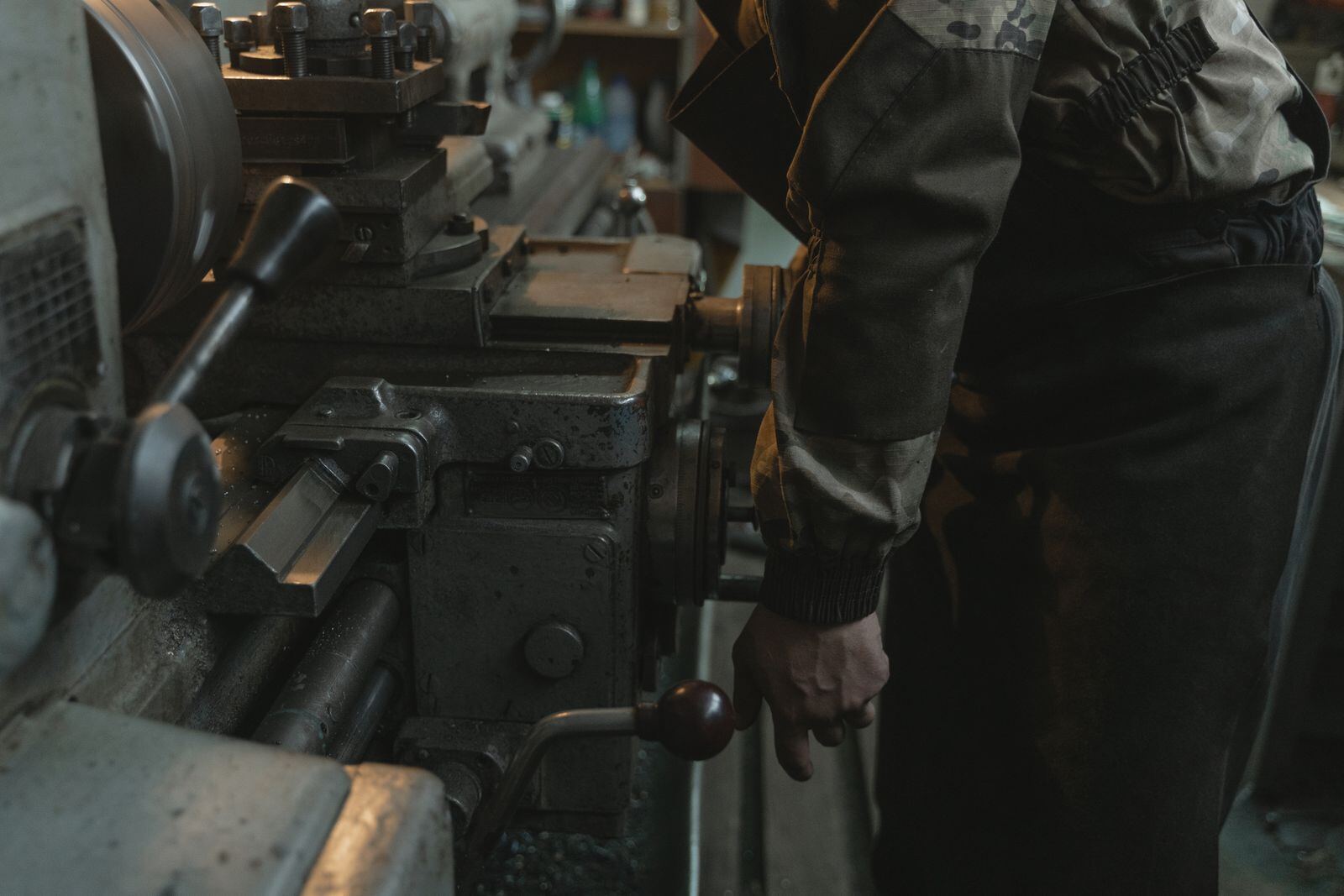
Much of what comes off the Tees is specialist enough to sit awkwardly in an open auction. A process vessel, a large compressor, a run of medium voltage switchgear or a column and boom welding manipulator has a buyer pool you could list on a page, and a closing time suits a pool that size badly. Expect requests for drawings, inspection records and certificates, and expect the buyer to take time over them. That is why a single item from the chemical and process firms along the river, or from the fabricators and offshore engineers who support them, often goes by private treaty.
We inspect the plant, prepare a description a process engineer would accept, approach the dealers and end users directly and put the offers to you in writing with our recommendation. Nothing goes on a public listing unless you want it to. Our fee is agreed in writing before marketing starts.
Process and electrical plant sold clean
Process plant from a chemical site carries history, and the buyer wants to know what has been through it. Before we market a vessel, a heat exchanger, a pump set or a compressor we establish what it handled, whether it has been decontaminated and who signed the cleaning certificate. A clean certificate with the material records and the last inspection report is what turns a lump of stainless steel into a saleable item.
The same care applies to electrical plant. Generators, transformers, switchgear and control panels from the riverside sites are often only a few years old, bought for a project that has finished. The likely buyers are contractors, hire fleets, utilities and other process operators, and the test certificates and the service log are what they ask for.
Fabrication plant is simpler. A plate roll, a large press brake or a welding manipulator from Riverside Park or Skippers Lane sells on capacity and condition, and the likely buyers are heavy engineering firms in Stockton, Billingham, Hartlepool and Darlington and further across the UK.
Settling the lift plan before offers
The riverside estates were laid out for heavy plant, and what a lift needs is settled on the site rather than assumed from it. We check the approach and the turning room, the ground at the crane position, the loading arrangements and the route to the road. Where the item is very large or bound for export, Teesport handles project cargo and a buyer can have it loaded at the quay.
We agree the lift plan and the access before offers are invited. The description states the weight, the lifting points, the crane capacity on site and the route to the road. If the site is being handed back or demolished before a buyer can be found, the item can be collected and held at our own premises, and marketing carries on from there.
Thornaby, Redcar, Billingham and Guisborough are a short run away for an inspection, and buyers elsewhere in the country come by appointment.
What these sales can include
- CNC machining centres and lathes
- Printing presses
- Injection moulding machines
- Packaging lines
- Large generators and switchgear
- Cranes and heavy lifting equipment
- Specialist process plant
- Laboratory and test equipment
- Complete production cells
- Late model plant and vehicles
- Marine and rail equipment
- High value catering and bakery lines
How we market the asset
We inspect the asset, or have it inspected, and prepare a description with photographs, specification, condition and any service history. We then approach buyers directly: dealers who trade in that type of machine, and end users the asset suits. The asset can be advertised openly or offered only to selected parties. How open we are depends on how much confidentiality you need.
Interested buyers inspect by appointment. We attend or arrange access, answer questions and take offers. You are kept informed at each stage but do not have to deal with the buyers yourself.
There is no fixed end date. A private treaty sale takes as long as it takes to find the right buyer at the right price, which is one of its advantages and one of its costs.
The private treaty sales page covers when private treaty beats auction, how offers are handled, fees and what you receive, what to prepare.
Questions about selling in Middlesbrough
- Will an overhead crane sell separately from the building?
Yes, and it often should be. A double girder overhead crane with useful capacity can suit a fabricator fitting out a shed, where it is of little use to a landlord taking the building back. The buyer needs the rails and the runway beams measured, the last thorough examination report and a plan for taking it down, and that plan is worked out for the building rather than assumed from the type of crane. We set all of it out in the description.
- Can we sell plant from a site that is being decommissioned in stages?
Yes, and this is common on the Tees. The site engineer tells us what comes offline and when. We inspect each item as it is isolated and market them in the order they become available. Buyers see a rolling list rather than one big sale, and the plant leaves the site as each area is handed over. Where an item must leave before a buyer is found, it can go to our own premises and the sale carries on.
More questions about private treaty
Related services
Guides
- Auction or private treaty: which route to choose
Auction gives you a fixed date and an open market. Private treaty gives you a negotiated price and privacy. This guide sets out when each route suits, what you give up with each, and why many sales use both.
- What happens to unsold lots
Not every lot sells, but the site still has to be cleared. This guide covers why lots go unsold, private treaty after the sale, lowering or removing the reserve, a later sale, scrap and WEEE recycling, and what disposal costs.