 Britannia Auctions
Private treaty sales in Milton Keynes
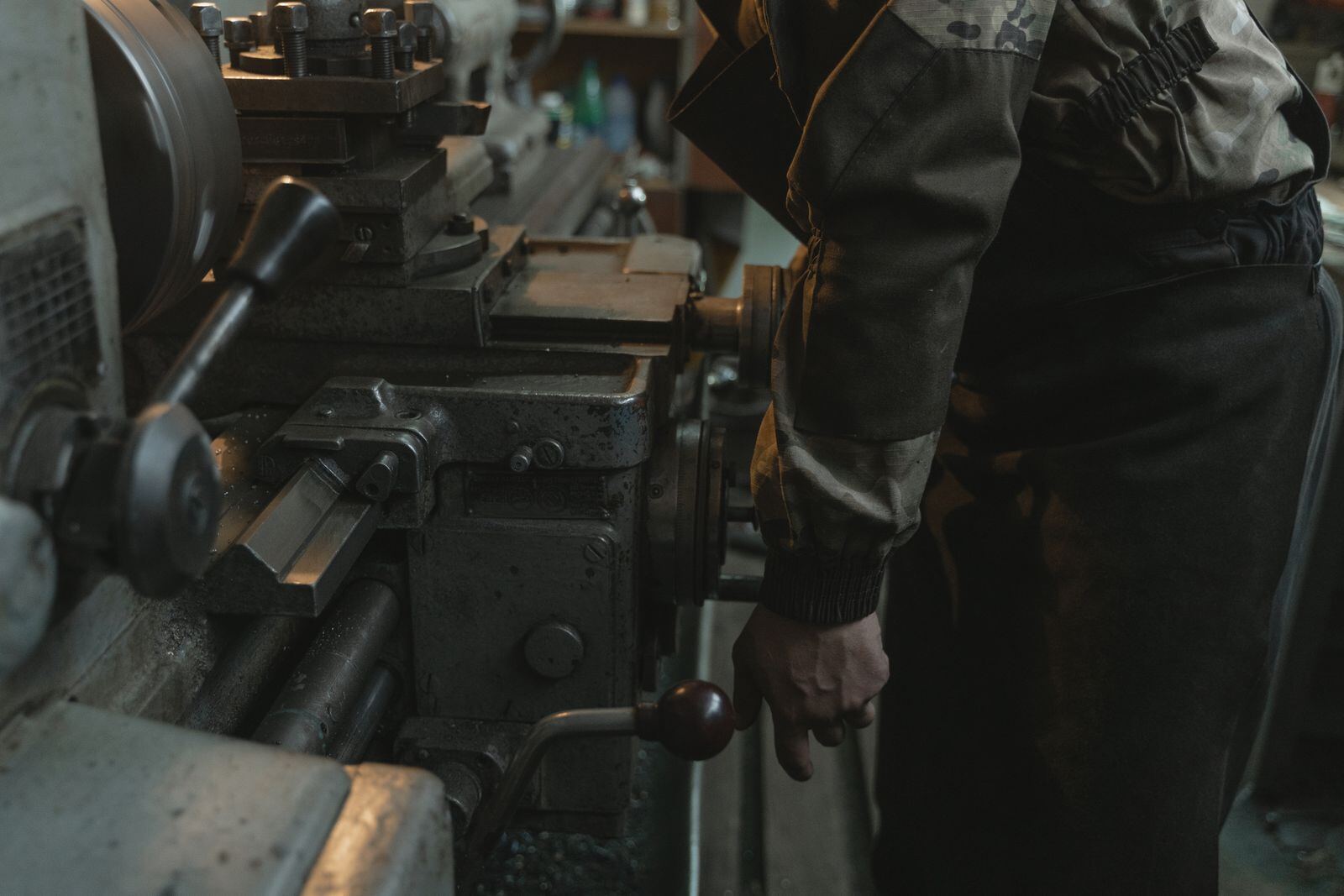
Motorsport runs to a calendar. When the season ends, teams and their suppliers around Milton Keynes change dynos, machining centres, autoclaves and test rigs, and the kit that comes out is late model and often lightly used. The likely buyers are other teams, automotive engineering firms, universities and specialist dealers, and a quiet negotiation suits a pool of that size.
The city's technology and electronics firms on Knowlhill and Kingston release test and laboratory equipment on the same one at a time basis. The big sheds at Magna Park and Tongwell add automated handling systems when a distributor moves or consolidates.
Private treaty is how we sell these. We inspect and describe the asset, approach the right buyers directly, handle each offer in writing and agree the price with you. Our fee is agreed in writing before marketing begins.
Engineering plant that changes hands between seasons
The motorsport supply chain in and around the city runs five axis machining centres, coordinate measuring machines, composite autoclaves and ovens, engine and chassis dynos, and rigs built for one programme. Between one season and the next is when it moves. A machine bought for last year's programme is surplus this year, and the likely buyer is another engineering firm that wants a late model machine without the lead time of buying new.
The description carries the sale. Expect questions on the hours, the service history, the control software version and the tooling included, and on the calibration record for a dyno. We inspect under power where we can and put the answers in the write up.
A viewing is a short trip for firms in Northampton, Bedford, Aylesbury and Luton, and a firm further afield can offer from the report. Where two or more are serious, we run sealed bids to a closing date so nobody is left guessing.
Grid roads, and what still gets checked
Removal is often the hardest part of a heavy machine sale. The grid road system gives Knowlhill, Kingston, Wolverton Mill and Tongwell a route from the M1 at junctions 13 and 14 without passing through housing, which helps, but the job is still checked on the site: the approach and the turning room, the door dimensions, the floor and the crane position.
The older estates at Bletchley have smaller units and tighter yards, so what we find there is usually different from the larger parks, and the description says which handling equipment the route out calls for.
An automated system in a Magna Park shed is a different job again. It comes out on the buyer's integrator's programme, to a method statement the landlord has seen, and payment is held until the system is out and the floor is made good.
What these sales can include
- CNC machining centres and lathes
- Printing presses
- Injection moulding machines
- Packaging lines
- Large generators and switchgear
- Cranes and heavy lifting equipment
- Specialist process plant
- Laboratory and test equipment
- Complete production cells
- Late model plant and vehicles
- Marine and rail equipment
- High value catering and bakery lines
How we market the asset
We inspect the asset, or have it inspected, and prepare a description with photographs, specification, condition and any service history. We then approach buyers directly: dealers who trade in that type of machine, and end users the asset suits. The asset can be advertised openly or offered only to selected parties. How open we are depends on how much confidentiality you need.
Interested buyers inspect by appointment. We attend or arrange access, answer questions and take offers. You are kept informed at each stage but do not have to deal with the buyers yourself.
There is no fixed end date. A private treaty sale takes as long as it takes to find the right buyer at the right price, which is one of its advantages and one of its costs.
The private treaty sales page covers when private treaty beats auction, how offers are handled, fees and what you receive, what to prepare.
Questions about selling in Milton Keynes
- Can we sell a dyno or test rig that was built for one programme?
Sometimes, and it depends on how much of it is general purpose. The dyno itself, the data acquisition, the conditioning units and the control system have a market among engineering firms and universities. Fixtures built for one car or one engine generally do not. We describe the rig in two parts, the general equipment and the programme specific tooling, and market it to buyers who can use the first and may take the second. That is a clearer basis than one price for the lot.
- Does a machine sold between seasons need to go quickly?
Not as quickly as it can feel. A buyer for a late model machining centre or autoclave needs time to inspect, get a removal quote, arrange payment and book a rigger, and how long that takes depends on the machine, the access and the buyer. Start marketing as soon as you know the machine is surplus, ideally before the season ends, so the sale can complete when the workshop is quiet and the machine can go out without disturbing the next programme.
More questions about private treaty
Related services
Guides
- Auction or private treaty: which route to choose
Auction gives you a fixed date and an open market. Private treaty gives you a negotiated price and privacy. This guide sets out when each route suits, what you give up with each, and why many sales use both.
- What happens to unsold lots
Not every lot sells, but the site still has to be cleared. This guide covers why lots go unsold, private treaty after the sale, lowering or removing the reserve, a later sale, scrap and WEEE recycling, and what disposal costs.