 Britannia Auctions
Private treaty sales in Plymouth
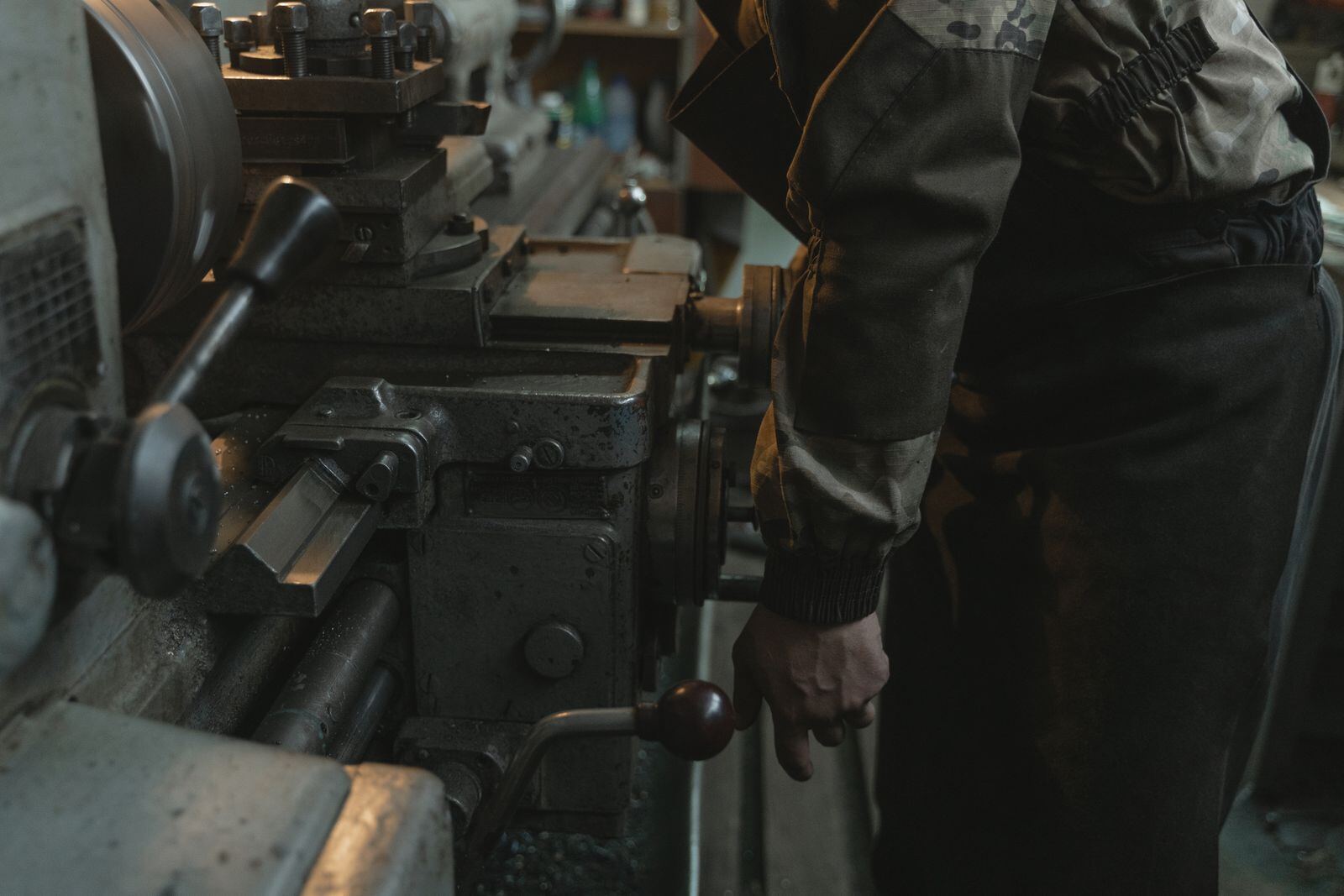
Much of the market for Plymouth's machinery sits a long way up the A38 or further. A ship repair firm on the Tamar replacing a large boring mill, a seafood processor at Sutton Harbour taking out a freezing and grading line, a medical device maker at Estover clearing a cleanroom, a boat builder on the waterfront selling a big CNC router. The likely buyers are dealers and end users in the Midlands, the North and the South East, with export interest possible, and a general catalogue is a thin reason to drive to Devon. The sale has to go to them.
That is private treaty. We inspect the asset, prepare a description with photographs, specification, service history and a video of it running, approach the buyers who deal in that type of asset, including any we know of who are looking, and put every offer to you in writing. No public sale date. Our fee is agreed in writing before marketing begins.
Distance is not the only thing that shapes a sale here. The water is the other.
Plant sold to buyers four hours away
When the buyer is four hours away, the write up does the work of a viewing. We photograph the machine, film it under power, copy the service records and the last inspection report, and list what is included. A buyer in Birmingham or further afield can then offer on what is in front of them, with a viewing by appointment as confirmation rather than the starting point.
The assets vary. Marine engineering and ship repair firms run large machine tools, plate rolls, shot blast and paint plant that suit other yards and heavy engineering dealers. Seafood processors run freezers, graders, filleting and packing lines with a market of other processors and the dealers who refurbish food plant. Medical device and advanced manufacturing firms at Estover and Langage run cleanroom equipment, precision machines, inspection systems and test rigs that sell on their validation records.
The trade in Saltash, Torpoint, Liskeard and Tavistock, and in Ivybridge and Totnes, is within easy reach for an inspection.
Checking the quay before the crane is booked
Some of the older waterfront sites have access that was laid out for the sea, not the road. A machine in a shed on the Tamar or a line at Sutton Harbour may sit behind a narrow lane, a slipway, a tide dependent yard or a door built for boats rather than lorries. We walk the site before anything is written. The approach, the turning space, the ground and the door go into the description, and we settle with you whether the removal is a rigid lorry and a hiab, a crane on the quay, a lift by water or a machine stripped into sections.
Estover, Langage and the Roborough estates are more straightforward, and they are checked in the same way. The A38 is close and the M5 at Exeter is a short run.
The sale terms then set out who lifts, who pays, when it happens and what state the site is left in.
What these sales can include
- CNC machining centres and lathes
- Printing presses
- Injection moulding machines
- Packaging lines
- Large generators and switchgear
- Cranes and heavy lifting equipment
- Specialist process plant
- Laboratory and test equipment
- Complete production cells
- Late model plant and vehicles
- Marine and rail equipment
- High value catering and bakery lines
How we market the asset
We inspect the asset, or have it inspected, and prepare a description with photographs, specification, condition and any service history. We then approach buyers directly: dealers who trade in that type of machine, and end users the asset suits. The asset can be advertised openly or offered only to selected parties. How open we are depends on how much confidentiality you need.
Interested buyers inspect by appointment. We attend or arrange access, answer questions and take offers. You are kept informed at each stage but do not have to deal with the buyers yourself.
There is no fixed end date. A private treaty sale takes as long as it takes to find the right buyer at the right price, which is one of its advantages and one of its costs.
The private treaty sales page covers when private treaty beats auction, how offers are handled, fees and what you receive, what to prepare.
Questions about selling in Plymouth
- We are a small ship repair firm. Is one boring mill a big enough job for you?
Yes. Any job, big or small, and a single machine is the normal shape of a private treaty sale. The same person deals with you from the first call to settlement. What makes it worth doing is the value of the machine and the size of its buyer list, not the size of your firm. If the machine would honestly do better in one of our auctions we tell you so at the start, and the choice is yours.
- Can a sale be agreed with a buyer who has not seen the machine?
It can, where the description is complete. An offer may be made subject to inspection, with an engineer sent to confirm before money moves, or on the strength of the write up alone. What makes that possible is detail: hours, control version, service history, a video under power and a plain statement of any faults. We would rather list a fault than leave it to be found, because a fault found late reopens the price and costs more than it is worth.
More questions about private treaty
Related services
Guides
- Auction or private treaty: which route to choose
Auction gives you a fixed date and an open market. Private treaty gives you a negotiated price and privacy. This guide sets out when each route suits, what you give up with each, and why many sales use both.
- What happens to unsold lots
Not every lot sells, but the site still has to be cleared. This guide covers why lots go unsold, private treaty after the sale, lowering or removing the reserve, a later sale, scrap and WEEE recycling, and what disposal costs.