 Britannia Auctions
Private treaty sales in Preston
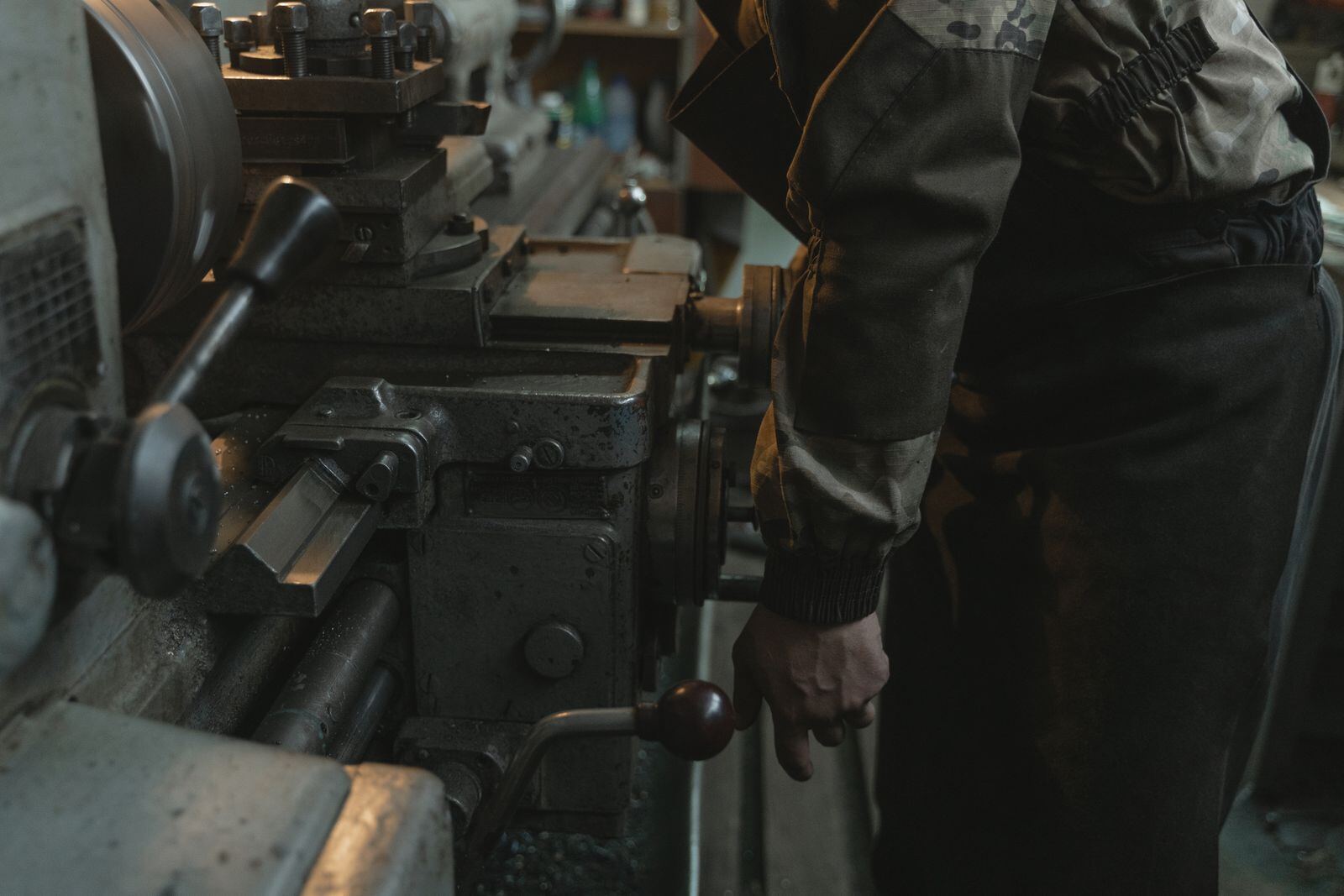
A five axis machining centre in a Preston subcontractor's shop was bought for one reason, an aerospace contract, and it is sold for the same reason when that contract moves on. The supply chain around Samlesbury runs precision machines, autoclaves, composite layup rooms and inspection equipment that are too valuable and too specialist to put in a general auction. The likely buyers are other approved suppliers and the dealers who serve them, and that pool negotiates rather than bids.
That is what private treaty is for. We inspect the machine, write it up with its full history, approach the buyers who deal in that type of machine, including any we know of who are looking, and put every offer to you in writing. No sale date and no public listing unless you want one. Our fee is agreed in writing before marketing starts.
The same route suits a food processing line off Roman Way or a late model fleet from Walton Summit, where one trade buyer for the whole thing can be a cleaner route than a catalogue.
Precision machines that sell on their paperwork
An aerospace approved buyer wants to know more than the model and the hours. They ask for the calibration records, the probe and tool data, the maintenance log, the control software version and whether the machine has been on a monitored programme. A description that answers all of that before the buyer asks is what they price from, and gathering it is the first job we do with you.
Composites plant is a smaller market again. An autoclave or a large oven has a handful of buyers in the UK, with export interest possible, and the removal is part of the price, so we settle who lifts it and how before an offer is invited.
Blackburn, Chorley, Leyland and Lancaster are near enough for a buyer to inspect in person, and dealers further afield work from the write up and a video of the machine under power. Where more than one party is serious we run sealed bids to a closing date and give you our view on each.
One machine leaving Red Scar or Walton Summit
Many of the machines here sit on estates laid out for lorries. At Red Scar in Ribbleton or Walton Summit we check the yard space for a low loader and a crane, the door dimensions and the floor, and junction 31 or 29 of the M6 gives the route out.
The older units at Riversway can be tighter. A machining centre on a mezzanine, or a press behind a roller door that was sized for a van, is a rigging problem before it is a sale, and we say so in the description rather than let the buyer find out on the day.
Timing usually follows the contract rather than the calendar. A machine freed by the end of a work package is best marketed while it is still under power, because a machine that can be seen cutting is easier to describe than one on a pallet.
What these sales can include
- CNC machining centres and lathes
- Printing presses
- Injection moulding machines
- Packaging lines
- Large generators and switchgear
- Cranes and heavy lifting equipment
- Specialist process plant
- Laboratory and test equipment
- Complete production cells
- Late model plant and vehicles
- Marine and rail equipment
- High value catering and bakery lines
How we market the asset
We inspect the asset, or have it inspected, and prepare a description with photographs, specification, condition and any service history. We then approach buyers directly: dealers who trade in that type of machine, and end users the asset suits. The asset can be advertised openly or offered only to selected parties. How open we are depends on how much confidentiality you need.
Interested buyers inspect by appointment. We attend or arrange access, answer questions and take offers. You are kept informed at each stage but do not have to deal with the buyers yourself.
There is no fixed end date. A private treaty sale takes as long as it takes to find the right buyer at the right price, which is one of its advantages and one of its costs.
The private treaty sales page covers when private treaty beats auction, how offers are handled, fees and what you receive, what to prepare.
Questions about selling in Preston
- Our composites oven was built for one process. Who would buy it?
A wider list than you might expect. Aerospace and motorsport composite shops are the obvious buyers, and they are joined by boat builders, blade repairers, research labs and the dealers who trade in thermal process plant across the UK, with export interest possible. We approach all of them at once, with the chamber size, the temperature range, the vacuum spec and the control details set out, and put every offer to you. Where more than one party is serious we run sealed bids to a fixed date.
- Our autoclave is built into the building. Who deals with getting it out?
The buyer, at their cost, because they will be reinstalling it and will want it dismantled to their own method. The sale agreement sets out the access hours, the crane dates, the isolation of power, gas, pneumatics and extraction by qualified people, and the state the building is left in. We settle the crane position and the route to the road before an offer is invited, so the buyer prices the job as it stands rather than as they hope it is.
More questions about private treaty
Related services
Guides
- Auction or private treaty: which route to choose
Auction gives you a fixed date and an open market. Private treaty gives you a negotiated price and privacy. This guide sets out when each route suits, what you give up with each, and why many sales use both.
- What happens to unsold lots
Not every lot sells, but the site still has to be cleared. This guide covers why lots go unsold, private treaty after the sale, lowering or removing the reserve, a later sale, scrap and WEEE recycling, and what disposal costs.